
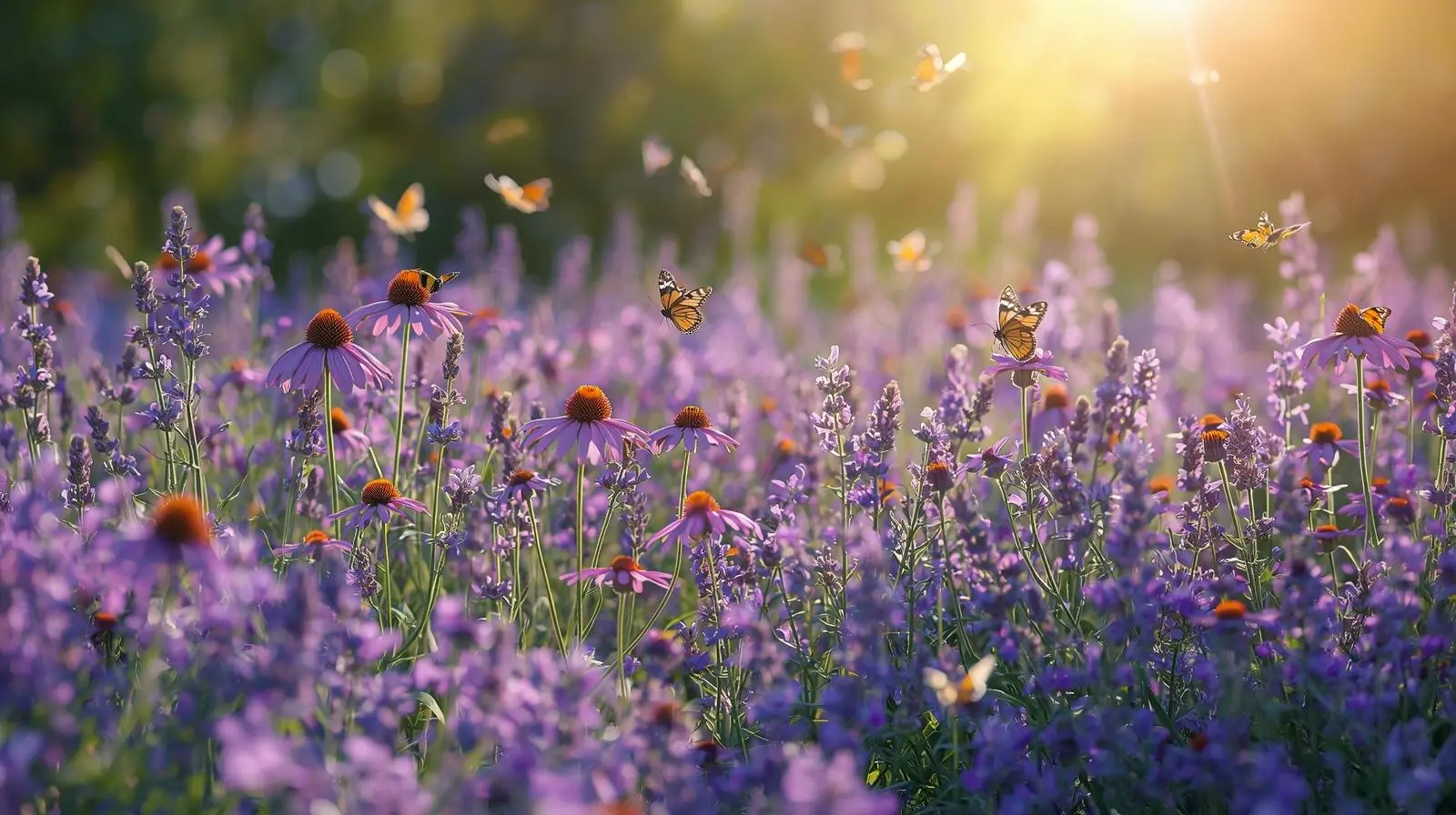
Purple wildflowers are some of the most captivating plants you can grow in your garden. Their stunning hues range from soft lavender to deep violet, offering a spectacular variety of shades that attract essential pollinators like bees, butterflies, and hummingbirds while creating breathtaking floral displays throughout the growing season.
Whether you’re a seasoned gardener or a beginner looking to add vibrant color to your backyard, growing purple wildflowers provides a natural, low-maintenance way to beautify any landscape. These hardy perennials and annuals thrive in various conditions and require minimal care once established, making them perfect for sustainable, eco-friendly gardening.
In this comprehensive guide, we’ll explore everything you need to know about purple wildflowers, including their ecological benefits, the best varieties to plant, detailed care instructions, seasonal growing tips, and answers to common questions. Let’s transform your garden into a purple paradise!
What Are Purple Wildflowers?
Purple wildflowers refer to a diverse range of flowering plants that naturally occur in the wild, distinguished by their striking purple, violet, or lavender-colored petals. These beautiful flowers have adapted to grow in various conditions, from dry, rocky landscapes and prairie meadows to moist, wooded areas and forest edges.
You’ll often find these stunning blooms in meadows, along roadsides, in native prairies, and throughout woodland gardens. Many purple wildflowers are native species that have evolved alongside local pollinators, making them invaluable for supporting biodiversity and creating healthy ecosystems in your garden.
Common characteristics of purple wildflowers include:
- Hardy nature: Most varieties are resilient and adaptable to different soil types and weather conditions
- Pollinator magnets: Their vibrant purple hues are highly visible to bees, butterflies, and other beneficial insects
- Low maintenance: Once established, they typically require minimal care and watering
- Perennial growth: Many species return year after year, providing consistent beauty
- Medicinal properties: Several varieties like Purple Coneflower have traditional medicinal uses
Benefits of Planting Purple Wildflowers
Growing purple wildflowers in your garden offers numerous advantages that extend beyond their obvious beauty. These remarkable plants provide ecological, aesthetic, and practical benefits that make them essential additions to any landscape design.
🌟 Key Benefits of Purple Wildflowers:
- Exceptional Aesthetic Appeal: Purple wildflowers add dramatic color and visual interest to gardens, creating stunning focal points and complementing other plantings with their rich, varied hues from pale lavender to deep purple.
- Attract Essential Pollinators: These flowers are magnets for bees, butterflies, hummingbirds, and other beneficial insects. Their nectar-rich blooms provide crucial food sources throughout the growing season, supporting declining pollinator populations.
- Remarkably Low Maintenance: Once established, most purple wildflowers are drought-tolerant, disease-resistant, and require minimal fertilization or pest control. They’re perfect for busy gardeners or sustainable landscaping projects.
- Support Local Ecosystems: Native purple wildflowers provide essential food and shelter for local wildlife, including birds, beneficial insects, and small mammals. They help restore natural habitats and promote biodiversity.
- Soil Improvement: Many wildflowers have deep root systems that help prevent erosion, improve soil structure, and increase water infiltration. Some species even fix nitrogen in the soil.
- Cost-Effective Gardening: Perennial varieties return year after year without replanting, and many self-seed, naturally expanding your garden at no additional cost.
- Extended Bloom Periods: By choosing different varieties, you can enjoy purple blooms from early spring through late fall, ensuring continuous color in your garden.
Best Purple Wildflowers to Plant
Selecting the right purple wildflowers for your garden depends on your climate, soil conditions, and design preferences. Here are the top five varieties that consistently perform well and provide stunning displays:
1. Purple Coneflower (Echinacea purpurea)
The Purple Coneflower is undoubtedly one of the most beloved perennial wildflowers in North America. Known for its large, daisy-like flowers featuring vibrant purple-pink petals surrounding a prominent orange-brown cone center, this plant is both stunning and functional.
Why it’s exceptional: Beyond its beauty, Purple Coneflower is renowned for its medicinal properties. The roots and flowers have been used in traditional and modern herbal medicine to support immune system health. It’s also incredibly resilient, thriving in heat and drought once established.
Best uses: Perfect for pollinator gardens, wildflower meadows, native plant gardens, prairie-style landscapes, and cut flower gardens. The dried seed heads provide winter interest and food for birds.
2. Lavender (Lavandula angustifolia)
Lavender is one of the most aromatic and versatile purple flowering plants you can grow. Its fragrant purple flower spikes have made it a garden favorite for centuries, prized for both ornamental and practical uses.
Why it’s exceptional: Lavender offers multiple benefits – its essential oils have calming properties used in aromatherapy, its flowers can be used in cooking and tea, and it naturally repels many garden pests including mosquitoes. The silvery-green foliage provides year-round interest.
Best uses: Ideal for herb gardens, borders, pathways, Mediterranean-style gardens, container plantings, and creating dried flower arrangements. Plant near seating areas to enjoy the fragrance.
3. Wild Bergamot (Monarda fistulosa)
Wild Bergamot, also known as bee balm, produces unique shaggy purple-pink flowers that create a dramatic display in any garden. This native North American wildflower is a powerhouse pollinator plant.
Why it’s exceptional: Wild Bergamot attracts more pollinators than almost any other native plant, including bees, butterflies, and hummingbirds. Its aromatic leaves and flowers can be used to make delicious herbal teas with a citrus-mint flavor. The plant is also naturally resistant to deer browsing.
Best uses: Essential for pollinator gardens, native plant landscapes, rain gardens, naturalized areas, and butterfly gardens. Excellent for tea gardens and can be used in natural dye-making.
4. Violet (Viola spp.)
Violets are charming, delicate wildflowers that are often considered the quintessential purple bloom. Their heart-shaped leaves and small, intricate flowers make them beloved in gardens worldwide.
Why it’s exceptional: Violets are incredibly versatile, thriving in shade where few other flowering plants succeed. They’re also the host plant for several butterfly species, including Fritillaries. The flowers are edible and can be used to garnish salads or make candied decorations.
Best uses: Perfect for woodland gardens, shaded areas, ground cover under trees, rock gardens, and as lawn alternatives. They naturalize beautifully and create carpets of purple in spring.
5. Spiderwort (Tradescantia spp.)
Spiderwort plants feature stunning three-petaled purple-blue flowers and attractive grass-like foliage. Each flower lasts only one day, but the plants produce blooms continuously throughout their flowering period.
Why it’s exceptional: Spiderwort is remarkably adaptable, thriving in various soil types and moisture conditions. It’s highly resilient to pests and diseases, and its unique flowers open in the morning and close by afternoon. The plant is also edible – young leaves and flowers can be added to salads.
Best uses: Excellent for wildflower meadows, cottage gardens, sunny borders, rain gardens, and naturalizing in difficult areas. Works well as a filler plant between larger specimens.
How to Care for Purple Wildflowers
Caring for purple wildflowers is relatively straightforward, as many of these plants are well-adapted to thrive with minimal intervention. However, understanding their specific needs will help ensure they flourish and provide beautiful blooms year after year. Here are the key factors to consider:
Soil Quality and Preparation
Most purple wildflowers prefer well-draining soil to prevent root rot and fungal diseases. Before planting, test your soil pH – while many wildflowers tolerate a range, most prefer slightly acidic to neutral conditions (pH 6.0-7.0).
Soil preparation tips:
- Amend heavy clay soils with compost or sand to improve drainage
- For sandy soils, add organic matter to improve water retention
- Remove weeds and grass from the planting area
- Avoid over-fertilizing – most wildflowers thrive in average to poor soil
- Consider raised beds in areas with poor drainage
Watering Needs and Schedule
Watering requirements vary by species and establishment stage. During the first 6-8 weeks after planting, water regularly (2-3 times per week) to help roots establish. Once established, most purple wildflowers become remarkably drought-tolerant.
Watering best practices:
- Water deeply but infrequently to encourage deep root growth
- Water in the morning to reduce disease risk
- Reduce watering frequency as plants mature
- Monitor during extended dry spells – even drought-tolerant plants may need occasional watering
- Avoid overhead watering which can promote fungal diseases
- Use mulch to conserve soil moisture and regulate temperature
Sunlight Requirements
Understanding light requirements is crucial for success. Most purple wildflowers fall into two categories:
Full Sun Species (6-8 hours of direct sunlight):
- Purple Coneflower – thrives in full sun
- Lavender – requires maximum sun exposure
- Spiderwort – prefers full sun but tolerates part shade
Shade-Tolerant Species (2-4 hours of sun or dappled shade):
- Violets – excel in partial to full shade
- Wild Bergamot – adaptable to partial shade
Pruning and Deadheading
Proper maintenance extends blooming periods and keeps plants healthy:
- Deadheading: Remove spent flowers regularly to encourage continuous blooming and prevent energy waste on seed production
- Fall cleanup: Cut back dead foliage in late fall or early spring to prepare for new growth
- Leave some seed heads: Allow some flowers to go to seed for self-seeding and to provide winter food for birds
- Division: Divide overcrowded perennials every 3-4 years in spring or fall to maintain vigor
- Avoid harsh pruning: Most wildflowers need minimal pruning beyond deadheading
Fertilization
Unlike many cultivated garden plants, purple wildflowers typically require minimal fertilization. Over-fertilizing can lead to excessive foliage growth at the expense of flowers.
- Apply a light layer of compost in spring (1-2 inches)
- If needed, use a balanced, slow-release fertilizer sparingly
- Avoid high-nitrogen fertilizers which promote leaf growth over flowers
Pest and Disease Management
Most purple wildflowers are naturally resistant to pests and diseases. When problems occur, they’re usually due to environmental stress:
- Powdery mildew: Ensure good air circulation and avoid overhead watering
- Aphids: Spray with water or use insecticidal soap if severe
- Root rot: Prevent by ensuring proper drainage and not overwatering
- Encourage beneficial insects that naturally control pest populations
Seasonal Tips for Growing Purple Wildflowers
Following a seasonal care schedule ensures your purple wildflowers thrive throughout the year:
🌱 Spring (March-May)
Primary tasks: Spring is the ideal time for planting most purple wildflower seeds and transplants. Plant seeds in early spring after the last frost date for your region to allow an early bloom.
- Direct sow seeds outdoors when soil temperature reaches 55-60°F (13-15°C)
- Transplant nursery-grown starts after danger of frost has passed
- Apply a thin layer of compost around established plants
- Remove any winter mulch to allow soil to warm
- Divide overcrowded perennials like Purple Coneflower
- Water regularly to support new growth
☀️ Summer (June-August)
Primary tasks: Summer is peak blooming season for most purple wildflowers. Water during dry spells but avoid overwatering, as most purple wildflowers are drought-tolerant once established.
- Deadhead spent blooms regularly to encourage continuous flowering
- Water deeply during extended dry periods (once weekly if no rain)
- Monitor for pests and diseases – address issues promptly
- Enjoy peak pollinator activity around your flowers
- Take cuttings from Lavender for propagation or drying
- Stake tall varieties like Purple Coneflower if needed
🍂 Fall (September-November)
Primary tasks: Fall is preparation time for winter and next year’s growth. After blooming, cut back any dead growth to prepare your plants for winter and reduce disease risk.
- Reduce watering as temperatures cool and growth slows
- Leave some seed heads for birds and natural reseeding
- Cut back perennials to 3-4 inches above ground level
- Apply a 2-3 inch layer of mulch after the ground freezes to protect roots
- Divide and transplant perennials if needed
- Collect seeds from favorite varieties for next year
- Plant spring-blooming bulbs among wildflowers for early color
❄️ Winter (December-February)
Primary tasks: Winter is rest period for most wildflowers and planning time for gardeners.
- Leave seed heads and dried foliage for winter interest and wildlife
- Avoid walking on frozen planting beds to prevent soil compaction
- Order seeds and plan next season’s additions
- Review what worked well and what to change
- Clean and sharpen garden tools for spring
- In warmer zones (8+), some species may continue blooming
Where to Buy Purple Wildflower Seeds
Finding high-quality purple wildflower seeds is essential for gardening success. Here are the best sources:
Local Sources
- Local nurseries and garden centers: Staff can provide advice specific to your region and climate
- Native plant societies: Often host plant sales featuring locally-adapted species
- Farmers markets: Local growers may sell seeds and starts
- Master gardener plant sales: Typically offer quality plants at reasonable prices
Reputable Online Suppliers
- American Meadows: Specializes in wildflower seeds and native plants
- Prairie Moon Nursery: Excellent source for native wildflower seeds
- Johnny’s Selected Seeds: High-quality seeds with detailed growing information
- Eden Brothers: Wide selection of wildflower seeds
💡 Pro tip: When possible, choose native species adapted to your region. They’ll require less care, support local ecosystems, and provide better habitat for native wildlife. Look for seeds labeled as “native” or specific to your geographic region.
🌸 Ready to Start Your Purple Wildflower Garden?
Get our FREE Purple Wildflower Planting Calendar with month-by-month care tips!
Download Free GuideConclusion
Purple wildflowers are an incredible addition to any garden, offering both exceptional beauty and significant ecological benefits. With their stunning variety of shades from pale lavender to deep violet, low maintenance requirements once established, and remarkable ability to attract essential pollinators, these plants are perfect for anyone looking to create a vibrant, eco-friendly garden.
By selecting the right purple wildflowers for your specific conditions—whether it’s the sun-loving Purple Coneflower, fragrant Lavender, pollinator-favorite Wild Bergamot, shade-tolerant Violets, or adaptable Spiderwort—and following the simple care tips outlined in this guide, you’ll enjoy a colorful and thriving garden that blooms year after year.
Remember, these resilient plants have evolved to thrive in various conditions with minimal intervention. Once established, they’ll reward you with beautiful blooms, buzzing pollinators, and the satisfaction of supporting your local ecosystem. Start small, choose species suited to your conditions, and watch your purple wildflower garden flourish!
Happy gardening! 🌸🦋
FAQs About Purple Wildflowers
Are purple wildflowers good for pollinators?
Yes, many purple wildflowers, such as the Purple Coneflower, Lavender, and Wild Bergamot, are excellent for attracting bees, butterflies, and hummingbirds. Purple flowers are particularly visible to pollinators and provide essential nectar and pollen sources throughout the growing season. Planting a variety of purple wildflowers ensures continuous food supply for pollinators from spring through fall.
Can purple wildflowers grow in shade?
Some purple wildflowers, like violets, thrive in shady areas and are perfect for woodland gardens. However, many others, such as the Purple Coneflower, Lavender, and Spiderwort, prefer full sun conditions (6-8 hours of direct sunlight daily) for optimal blooming. Wild Bergamot is adaptable and can tolerate partial shade. Always check the specific light requirements for your chosen species.
How often should I water my purple wildflowers?
Once established (after 6-8 weeks), most purple wildflowers are drought-tolerant and require minimal watering. Water them regularly 2-3 times per week during their initial growth phase to help roots establish. After establishment, water deeply but infrequently – typically only during extended dry spells (2+ weeks without rain). Always avoid overwatering, which can lead to root rot and fungal diseases.
Can I grow purple wildflowers in containers?
Yes, many purple wildflowers can be grown successfully in containers, especially those with compact growth habits like violets, lavender, and smaller varieties of spiderwort. Use containers at least 12 inches deep with drainage holes, fill with well-draining potting mix, and place in appropriate light conditions. Container plants may require more frequent watering than ground-planted specimens.
Do purple wildflowers come back every year?
Many purple wildflowers, such as the Purple Coneflower, Wild Bergamot, Lavender, and Spiderwort, are perennials and will come back year after year with proper care. Some species like violets spread by runners and will naturalize over time. To ensure their return, provide appropriate winter protection in colder zones, avoid cutting back too early in fall, and maintain proper care throughout the growing season.
When is the best time to plant purple wildflower seeds?
The best time to plant purple wildflower seeds is in early spring after the last frost date for your region (typically March-May) or in fall (September-October) for spring germination. Spring planting allows seeds to establish during favorable growing conditions. Fall planting lets seeds undergo natural cold stratification over winter, often resulting in earlier spring blooms. Some species may benefit from starting seeds indoors 6-8 weeks before the last frost.
Are purple wildflowers invasive?
Most commonly grown purple wildflowers like Purple Coneflower, Lavender, and Wild Bergamot are not invasive, though some can spread enthusiastically through self-seeding or runners (like violets). Always choose native species for your region when possible, as they’re adapted to local conditions and won’t outcompete other native plants. Avoid non-native species known to be invasive in your area, such as Purple Loosestrife (Lythrum salicaria).
What purple wildflowers attract butterflies?
Purple Coneflower (Echinacea), Wild Bergamot (Monarda), and Spiderwort are exceptional butterfly magnets. Purple Coneflower attracts Swallowtails, Monarchs, and many other butterfly species. Violets serve as host plants for Fritillary butterfly caterpillars. Lavender attracts various butterflies and beneficial insects. For maximum butterfly activity, plant several different species to provide nectar sources throughout the entire growing season.
About Plant Blueprint
Plant Blueprint is your trusted source for expert gardening advice, plant care guides, and sustainable landscaping tips. Our team of horticulturists and passionate gardeners is dedicated to helping you create beautiful, thriving gardens that support local ecosystems and bring joy to your outdoor spaces.