
Maranta Lemon Lime Care Guide: Stop Curling Leaves & Brown Tips

Maranta Lemon Lime Care Guide: Stop Curling Leaves & Brown Tips

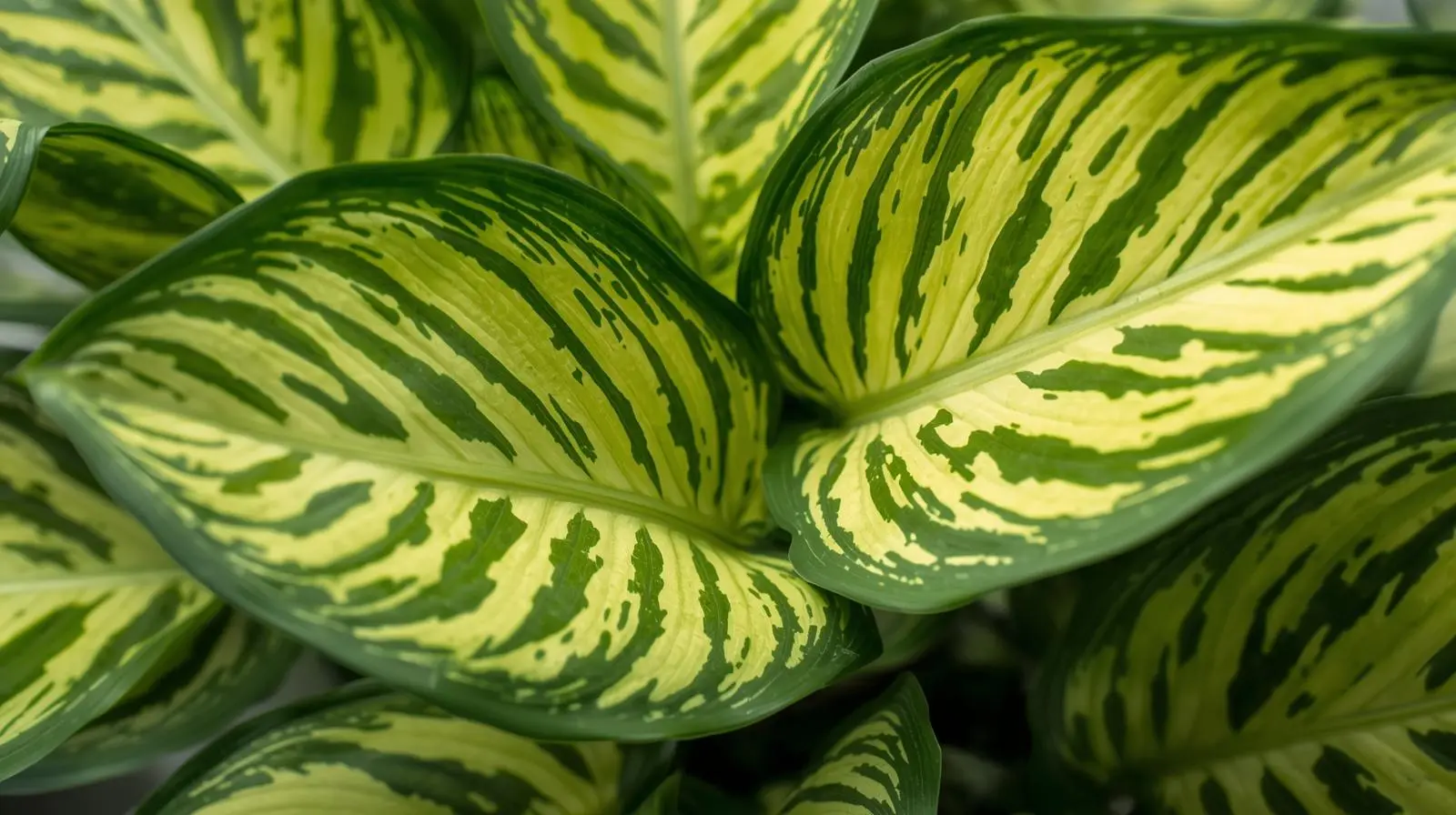
The Maranta Lemon Lime (Maranta leuconeura ‘Lemon Lime’) is a stunning prayer plant that captivates with its chartreuse-green leaves adorned with bright lime veins in a beautiful herringbone pattern. Also known as the Herringbone Plant or Furry Feather Calathea (though it’s actually a Maranta, not a Calathea), this tropical beauty brings a pop of color and movement to any indoor space.

Native to the rainforest floors of the Caribbean, Mexico, and South America, Lemon Lime Maranta has earned a reputation as being easier to care for than its fussier Calathea cousins. However, many plant parents still struggle with curling leaves, brown tips, and mysteriously unhappy plants—often because they’re following misleading advice.

In this comprehensive guide, you’ll learn the truth about Maranta Lemon Lime care, including why the common “keep soil constantly moist” advice actually causes more problems than it solves, how to properly water for healthy growth, optimal light and humidity requirements, and how to troubleshoot and prevent common issues. Let’s grow a thriving prayer plant together!

🙏 PRAYER PLANT PRO TIP
Why “Prayer Plant”? Maranta leaves fold up at night like praying hands (nyctinasty), responding to light cycles. This daily movement is completely normal and fascinating to watch! In the morning, leaves unfold flat again. If your plant stops “praying,” it may indicate stress from improper light, water, or temperature conditions.

Quick Care Overview

Care RequirementIdeal Conditions
Botanical NameMaranta leuconeura ‘Lemon Lime’
Common NamesLemon Lime Prayer Plant, Herringbone Plant, Furry Feather
LightLow to medium indirect light
WaterEvery 7-10 days when top 1-2 inches dry
Humidity50-60% (some thrive at 45-55%)
Temperature65-80°F (18-27°C)
SoilWell-draining, chunky mix
Soil pH6.0-6.5 (slightly acidic)
FertilizerMonthly during growing season (spring/summer)
Growth HabitTrailing/spreading (not upright)
Size~12 inches tall, 12-18 inches wide
Pet Safety✅ Non-toxic to cats and dogs
USDA ZoneZone 11 (indoor plant in most climates)

The Truth About Watering (Not “Keep Constantly Moist”)

Let’s address the most misleading advice you’ll find about Maranta Lemon Lime care: “keep the soil constantly moist.” This well-intentioned but problematic guidance leads to root rot, fungus gnats, and ultimately, plant death.

Why “Keep Moist” Advice Fails

❌ Problems with Constant Moisture:

  • Root rot: Roots need oxygen; soggy soil suffocates them
  • Fungus gnats: Thrive in constantly wet soil
  • Slow growth: Waterlogged roots can’t function properly
  • Yellow leaves: Overwatering symptom often mistaken for underwatering
  • Bacterial/fungal problems: Wet conditions promote disease

The Better Approach

✅ Proper Watering Method:

Water when the top 1-2 inches of soil feel dry to the touch.

Typical frequency:

  • Summer (active growth): Every 7-10 days
  • Winter (slower growth): Every 10-14 days or longer
  • Always check soil first—don’t water on a schedule

How to check soil moisture:

  • Insert finger 1-2 inches into soil
  • If dry at that depth, it’s time to water
  • If still moist, wait 1-2 more days
  • Use a moisture meter for precision

Watering Technique

  1. Water thoroughly until water drains from bottom holes
  2. Let excess drain completely—never let pot sit in water
  3. Empty drainage tray within 30 minutes
  4. Use room temperature water (cold shocks roots)

Water Quality Matters

Best water choices:

  • Filtered water: Removes chlorine and fluoride
  • Distilled water: Pure but lacks minerals (fine for occasional use)
  • Rainwater: Perfect and free
  • Tap water left out 24-48 hours: Chlorine evaporates (but fluoride remains)

Why water quality matters: Maranta is sensitive to fluoride and chlorine in tap water, which cause brown leaf tips over time.

💧 Watering Factors to Consider:

  • Pot material: Terracotta dries faster than plastic (water more frequently)
  • Soil type: Chunky mix dries faster than dense soil
  • Temperature: Warmer homes need more frequent watering
  • Light levels: Brighter light increases water usage
  • Season: More water in summer, less in winter

💡 Pro Tip: Many experienced growers have found Maranta Lemon Lime does BETTER with slight drying between waterings than with constantly moist soil. When in doubt, wait an extra day rather than water too soon.

Perfect Light Conditions

Maranta Lemon Lime naturally grows along tropical rainforest floors in dappled shade, making it perfectly adapted for low to medium light conditions—great news for rooms without bright windows!

Ideal Light Setup

✅ Best Light Conditions:

  • Low to medium indirect light is perfect
  • North-facing windows: Gentle, consistent light—ideal
  • East-facing windows: Soft morning light works well
  • A few feet back from bright windows: 4-8 feet from south/west windows
  • Filtered light through sheer curtains
  • Fluorescent office lighting: Surprisingly, these plants can thrive here

❌ Avoid These Light Conditions:

  • Direct sunlight: Burns leaves, fades the beautiful lime-green color
  • Intense afternoon sun: Causes leaf scorch and curling
  • Complete darkness: Very dim corners with no natural light

Signs of Light Problems

Too much light:

  • Faded, washed-out leaf color (lime veins turn yellowish)
  • Brown, crispy patches on leaves
  • Leaves curling inward to protect themselves
  • Bleached appearance

Too little light:

  • Leggy, stretched growth with long spaces between leaves
  • Smaller new leaves
  • Very slow or no growth
  • Loss of vibrant coloring
  • Plant stops “praying” (folding leaves at night)

Just right:

  • Vibrant chartreuse leaves with bright lime veins
  • Compact, bushy growth
  • Regular new leaf production
  • Daily prayer movement (folding at night)

💡 Pro Tip: Maranta Lemon Lime is one of the best plants for offices, bathrooms, and rooms with limited natural light. It actually prefers lower light than most houseplants!

Humidity Requirements: Not As Fussy As You Think

Unlike their Calathea cousins that demand 60-80% humidity, Maranta Lemon Lime is surprisingly adaptable to typical household humidity levels.

The Humidity Truth

✅ Humidity Guidelines:

  • Ideal: 50-60% humidity
  • Acceptable: 45-55% (many thrive here without intervention)
  • Below 40%: May develop crispy leaf edges

Good news: Most homes naturally sit at 40-50% humidity, which is often sufficient for Maranta without a humidifier!

Debunking the Misting Myth (Again)

🚫 Why You Shouldn’t Mist:

  • Provides only temporary humidity (minutes, not hours)
  • Wet leaves promote bacterial/fungal diseases
  • Water spots on beautiful foliage
  • False sense of providing adequate humidity
  • Waste of time and effort

Effective Humidity Solutions

💨 If You DO Need to Increase Humidity:

1. Humidifier (Best Option)

  • Maintains consistent, measurable humidity
  • Place within 3-6 feet of plant
  • Benefits all your tropical plants

2. Pebble Tray

  • Fill tray with pebbles, add water just below top
  • Place pot on pebbles (bottom shouldn’t touch water)
  • Evaporation raises local humidity

3. Group Plants Together

  • Plants release moisture through transpiration
  • Grouped plants create micro-climate

4. Bathroom Placement

  • Naturally humid from showers
  • Must have adequate light

⚠️ CRITICAL: High Humidity REQUIRES Airflow

If you do provide high humidity (60%+), you MUST also provide good air circulation with a gentle fan. High humidity without airflow creates perfect conditions for mold, fungus, and bacterial problems.

Signs of Humidity Issues

  • Too dry: Crispy brown leaf edges, curling leaves, spider mite infestations
  • Too humid (without airflow): Mold on soil, fungal spots on leaves, bacterial issues

Best Soil Mix Recipe

Proper soil is crucial for Maranta Lemon Lime success. This plant needs excellent drainage to prevent root rot while retaining enough moisture to keep roots hydrated between waterings.

Why Regular Potting Soil Fails

Standard potting soil is too dense and holds too much water for Maranta, leading to compaction, poor drainage, and eventually root rot.

The Perfect Soil Mix

✅ Recipe #1 (Simple & Effective):

  • 1 part perlite
  • 1 part orchid bark
  • 1 part quality potting soil or compost

This creates a chunky, well-aerated mix that drains excellently while retaining appropriate moisture.

✅ Recipe #2 (Premium Mix):

  • 40-50% peat moss or coco coir (moisture retention)
  • 20-30% perlite (drainage, aeration)
  • 10-20% vermiculite (moisture retention, nutrients)
  • 10-20% orchid bark (chunky drainage, aeration)

Target pH: 6.0-6.5 (slightly acidic)

Potting Considerations

Container requirements:

  • Drainage holes essential—never use containers without drainage
  • Size: Only 1-2 inches larger than current pot
  • Material considerations:
    • Plastic/glazed ceramic: Retains moisture longer (water less frequently)
    • Terracotta: Dries quickly (requires more frequent watering but prevents overwatering)

⚠️ Avoid Terracotta If You’re a Frequent Waterer

Many growers report Maranta struggles in terracotta because it dries out too quickly, especially when combined with chunky soil. If you tend to overwater, terracotta helps. If you forget to water, use plastic or glazed ceramic instead.

When to Repot

  • Every 1-2 years in spring
  • When roots grow through drainage holes
  • When soil becomes compacted (major drainage issue)
  • When plant becomes rootbound

Understanding Growth Habits: It Trails, Not Climbs

Many plant parents try to prop up their Maranta Lemon Lime to grow upright, fighting against the plant’s natural growth pattern. Understanding how Marantas naturally grow prevents frustration and produces healthier plants.

Natural Growth Pattern

🌿 How Maranta Actually Grows:

  • Trailing/spreading habit: Grows along the ground, not upward
  • Rhizomatous: Spreads via underground stems (rhizomes)
  • Clump-forming: Creates dense clusters of stems
  • May send out runners: Like spider plants, can produce baby plantlets
  • Horizontal growth: Stems naturally cascade and trail

What this means for display:

  • Maranta looks beautiful in hanging baskets
  • Works wonderfully on shelves where stems can trail
  • Grows well in wide, shallow pots
  • Don’t try to stake it upright—you’re fighting nature

Encouraging Fuller Growth

✅ How to Get a Bushier Plant:

  • Trim leggy stems: Cut back long, sparse stems to encourage branching
  • Replant cuttings: Propagate and replant back into the same pot for density
  • Provide adequate light: Prevents leggy, stretched growth
  • Let it spread naturally: Maranta fills in over time as rhizomes spread

Growth Rate & Size

  • Mature size: ~12 inches tall, 12-18 inches wide (can spread wider)
  • Growth rate: Moderate in spring/summer, slow in fall/winter
  • Lifespan: Can live many years with proper care

Propagation Methods: Easy & Rewarding

Maranta Lemon Lime propagates easily through stem cuttings or division, allowing you to create new plants or fill in sparse areas.

Method 1: Stem Cuttings in Water

✅ Step-by-Step Water Propagation:

  1. Choose a healthy stem with at least 2-3 leaves and visible nodes
  2. Cut below a node using clean, sharp scissors (nodes are where leaves attach)
  3. Let cutting dry 1-2 hours to callous over (reduces rot risk)
  4. Place in clean water with nodes submerged, leaves above water
  5. Provide bright indirect light
  6. Change water weekly or if it becomes cloudy
  7. Wait for roots: Takes 3-8 weeks
  8. Transplant to soil once roots are 2-3 inches long

💡 Pro Tip: You can keep Maranta in water indefinitely! Some growers prefer permanent water culture.

Method 2: Propagation in Soil/Moss

  1. Follow steps 1-3 above
  2. Plant cutting directly in moist soil or sphagnum moss
  3. Keep soil/moss consistently moist (not soggy)
  4. Cover with clear plastic bag to maintain humidity
  5. Roots develop in 4-8 weeks

Method 3: LECA (Semi-Hydroponic)

  1. Water propagate cutting first until roots are 2-3 inches
  2. Transfer to LECA (expanded clay balls)
  3. Keep small water reservoir at bottom (1-2 inches)
  4. LECA prevents over/underwatering issues

Method 4: Division (When Repotting)

  • Gently separate plant into sections with roots and stems
  • Each division needs healthy roots and 2-3 stems
  • Plant divisions in fresh soil
  • Water and keep in medium light for 1-2 weeks

Best time to propagate: Spring or early summer when plant is actively growing

Troubleshooting Common Problems

Maranta Lemon Lime communicates problems through its leaves. Here’s your complete guide to diagnosing and fixing issues:

🌀 Curling Leaves

Common Causes:

  • Underwatering (most common)
  • Low humidity (below 45%)
  • Temperature fluctuations
  • Direct sunlight exposure
  • Spider mite infestation

Solutions:

  • Check soil—water thoroughly if top 1-2 inches are dry
  • Increase humidity to 50%+ with humidifier or pebble tray
  • Maintain stable temps 65-80°F, avoid drafts and vents
  • Move away from direct sun to indirect light
  • Inspect undersides of leaves for tiny pests/webbing

🟡 Yellow Leaves

Common Causes:

  • Overwatering (soggy soil)
  • Underwatering (bone-dry soil)
  • Low humidity
  • Cold temperatures
  • Nutrient deficiency (especially iron)
  • Natural aging (old bottom leaves)

Solutions:

  • Adjust watering—let soil dry slightly between waterings
  • Increase humidity if below 45%
  • Keep above 65°F, away from cold drafts
  • Feed monthly with diluted fertilizer during growing season
  • If only one old leaf yellows, this is normal

🟤 Brown Tips or Edges

Common Causes:

  • Tap water minerals (fluoride/chlorine)
  • Low humidity
  • Over-fertilizing (salt buildup)
  • Direct sunlight

Solutions:

  • Switch to filtered or distilled water
  • Increase humidity to 50%+
  • Reduce fertilizer frequency; flush soil with water
  • Move to indirect light only

😔 Drooping Plant

Common Causes:

  • Underwatering
  • Low light
  • Temperature swings

Solutions:

  • Water thoroughly—plant should perk up within hours
  • Move to brighter (but still indirect) location
  • Maintain consistent temps, avoid drafts

🕷️ Spider Mites (Public Enemy #1)

🚨 The Biggest Pest Threat

Spider mites are attracted to dry conditions and are the #1 pest problem for Maranta. They’re tiny (barely visible) but cause major damage.

Signs of infestation:

  • Fine webbing on leaves and stems
  • Tiny dots on leaf undersides
  • Yellowing, stippled leaves
  • Leaves losing color and vitality

Treatment:

  1. Isolate plant immediately
  2. Shower thoroughly with lukewarm water
  3. Spray with neem oil solution (mix per package directions)
  4. Repeat weekly for 2-3 weeks
  5. Increase humidity—mites hate moisture

Prevention:

  • Maintain 50%+ humidity
  • Wipe leaves monthly with damp cloth
  • Inspect weekly under leaves
  • Quarantine new plants 2-3 weeks

Can Maranta Lemon Lime Flower?

Yes! Maranta Lemon Lime can produce flowers, though it’s relatively rare indoors. When it does bloom, you’ll see small, tubular flowers in white or light purple.

About Maranta Flowers

  • Appearance: Small (1/2 inch), tubular, white or pale purple
  • Timing: Typically April, May, or June (spring/early summer)
  • Trigger: More common when plants spend summer outdoors in warm, humid conditions
  • Frequency: Rare indoors, more common outdoors

Should You Remove Flowers?

💐 To Cut or Not to Cut:

Many growers cut flowers off to redirect the plant’s energy toward producing lush foliage growth rather than seeds. Flowers are small and not particularly showy, while the foliage is the main attraction.

Your choice:

  • Keep flowers: Enjoy the novelty, plant won’t be harmed
  • Remove flowers: Promotes bushier leaf growth

Lemon Lime vs Red Maranta (Fascinator)

Wondering which prayer plant variety to choose? Here’s how Lemon Lime compares to the popular Red (Fascinator) Maranta:

🌿 Maranta Lemon Lime

  • Leaf color: Chartreuse green base
  • Vein color: Bright lime-green/yellow
  • Pattern: Herringbone veins
  • Undersides: Light green
  • Overall vibe: Bright, fresh, cooler color palette
  • Light sensitivity: Handles lower light better

🌿 Maranta Red (Fascinator)

  • Leaf color: Deep green base
  • Vein color: Vivid red/pink
  • Pattern: Bold herringbone
  • Undersides: Reddish-purple
  • Overall vibe: Dramatic, warm colors
  • Popularity: More common in stores

Care differences: Essentially identical! Both want the same conditions—low to medium light, moderate watering, and 50-60% humidity.

Which to choose? Purely aesthetic preference! Lemon Lime offers a brighter, more cheerful look, while Red Maranta provides dramatic contrast.

🙏 Master Your Prayer Plant Care!

Get our FREE Prayer Plant Care Cheat Sheet with watering schedules, humidity tips, and troubleshooting flowcharts for all Maranta varieties!

Download Free Guide

Conclusion: The Truth About Maranta Lemon Lime Care

Maranta Lemon Lime has an undeserved reputation for being difficult, largely because of misleading “keep constantly moist” advice that leads to root rot and frustrated plant parents. The truth? This prayer plant is actually quite forgiving when you understand what it really needs.

Remember the essentials: let soil dry slightly between waterings (check the top 1-2 inches), provide low to medium indirect light (it loves dim spots!), maintain 50-60% humidity (many thrive at 45-55%), and use filtered water to prevent brown tips. These simple adjustments prevent the most common problems—curling leaves, brown edges, and yellow foliage.

Unlike fussy Calatheas, Maranta Lemon Lime adapts well to typical household conditions. It won’t demand a humidifier (though it appreciates one), tolerates lower light than most plants, and recovers quickly from minor care mistakes. Plus, it’s non-toxic to pets and brings that fascinating daily prayer movement to your space.

Embrace its trailing growth habit, enjoy the stunning lime-green veins, and appreciate that this is one prayer plant that doesn’t require constant attention. With the knowledge from this guide, you’re ready to grow a thriving Maranta Lemon Lime that brings color, movement, and tropical vibes to your home. Happy growing! 🌿🙏

Frequently Asked Questions

Is Maranta Lemon Lime toxic to pets?

No, Maranta Lemon Lime (Prayer Plant) is non-toxic and completely safe for cats, dogs, and other pets according to the ASPCA. It’s also safe around children, making it an excellent choice for pet-friendly households. The plant even helps purify indoor air by removing formaldehyde. While non-toxic, it’s still best to discourage pets from chewing leaves to avoid digestive upset and to keep your plant looking beautiful.

Why are my Maranta Lemon Lime leaves curling?

Curling leaves indicate stress from underwatering (most common cause), humidity below 50%, temperature fluctuations, direct sunlight exposure, or spider mite infestation. Check soil moisture first—water thoroughly if the top 1-2 inches are dry. Increase humidity to 50-60% with a humidifier or pebble tray, maintain stable temperatures between 65-80°F, move away from direct sun, and inspect leaf undersides for tiny pests or webbing. Leaves should uncurl within 24-48 hours once the issue is corrected.

How often should I water Maranta Lemon Lime?

Water Maranta Lemon Lime every 7-10 days when the top 1-2 inches of soil feel dry to the touch—never follow a strict schedule. Despite common advice to “keep constantly moist,” allowing slight drying between waterings prevents root rot and fungus gnats while keeping the plant healthier. Water more frequently in summer (every 7 days), less in winter (every 10-14 days). Always check soil moisture first rather than watering on a calendar. Use filtered or distilled water to prevent brown leaf tips from tap water minerals.

Can Maranta Lemon Lime grow in low light?

Yes! Maranta Lemon Lime thrives in low to medium indirect light, making it one of the best plants for dim rooms, offices, and bathrooms. It naturally grows along rainforest floors in dappled shade and actually prefers lower light than most houseplants. However, extremely low light (dark corners with no natural light) will slow growth and may fade the vibrant lime-green veins. Avoid direct sunlight which burns leaves and causes curling. North-facing windows provide perfect light conditions.

Why does my Maranta Lemon Lime have brown tips?

Brown leaf tips are caused by tap water minerals (fluoride and chlorine), humidity below 50%, over-fertilizing causing salt buildup, or direct sunlight exposure. The solution is multi-part: switch to filtered or distilled water exclusively, increase humidity to 50-60%, reduce fertilizer frequency and flush soil occasionally with plain water to remove salt buildup, and ensure the plant receives only indirect light. Once you correct the cause, new growth will emerge without brown tips, though affected leaves won’t heal.

Does Maranta Lemon Lime flower?

Yes, Maranta Lemon Lime can produce small, tubular white or light purple flowers, typically in spring (April-June). However, flowering is relatively rare indoors and more common when plants spend summer outdoors in warm, humid conditions. The flowers are small (about 1/2 inch) and not particularly showy compared to the stunning foliage. Many growers cut flowers off to redirect the plant’s energy toward producing more lush foliage rather than seeds, since the leaves are the main attraction.

Why won’t my Maranta Lemon Lime “pray” (fold leaves at night)?

Maranta leaves fold up at night (nyctinasty) in response to light cycles. If your plant stops this prayer movement, it indicates stress from improper light (too dim or inconsistent), incorrect watering (too much or too little), temperature issues (below 65°F or above 80°F), or overall poor health. Ensure the plant receives regular day/night light cycles, consistent watering when the top 1-2 inches of soil are dry, stable temperatures, and overall good care. Healthy prayer plants display dramatic daily movement, with leaves folding up at dusk and opening flat in the morning.

Should I use terracotta or plastic pots for Maranta?

Both work, but plastic or glazed ceramic is generally better for Maranta Lemon Lime. Terracotta dries out very quickly, especially when combined with chunky, well-draining soil, which can stress the plant if you don’t water frequently enough. However, if you tend to overwater, terracotta helps prevent root rot by wicking away excess moisture. Plastic or glazed ceramic retains moisture longer, requiring less frequent watering. The key is matching pot material to your watering habits and checking soil moisture regularly rather than following a schedule.

About Plant Blueprint

Plant Blueprint provides research-based houseplant care guides that cut through common myths and misleading advice. Our team tests care methods, consults scientific sources, and learns from experienced growers to bring you accurate, practical information that actually works for real homes and lifestyles.

Leave a Comment