
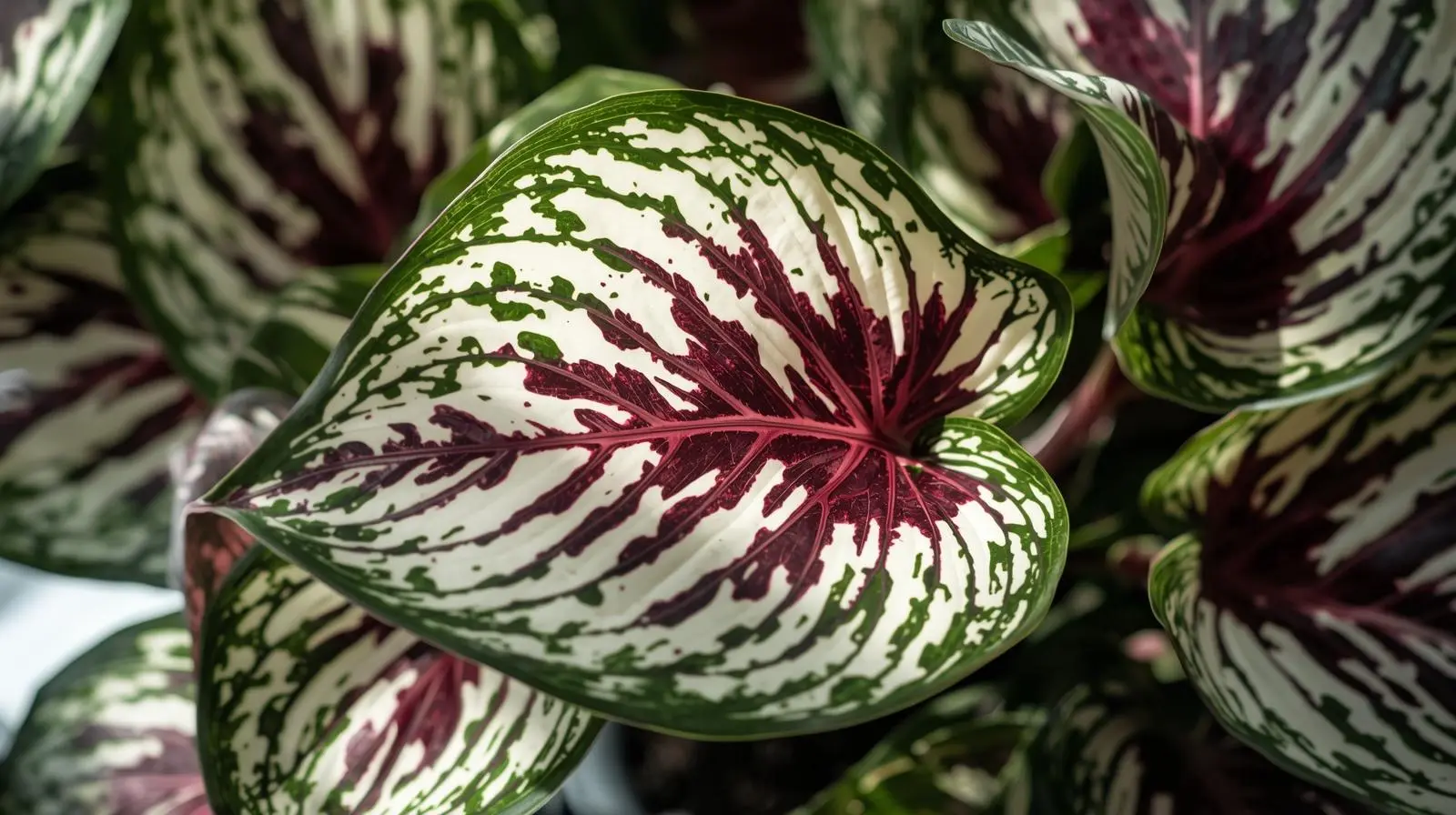
The Calathea White Fusion is arguably the most stunning—and yet the most temperamental—prayer plant you can grow. With its lush, dark green leaves elegantly brushed with white variegation and purple undersides, it’s the kind of plant that takes your breath away. But it also has a well-deserved reputation for being fussy.
If you’ve ever wondered why your White Fusion has crispy brown edges, fading variegation, or curling leaves, you’re definitely not alone. This plant is dramatic, demanding, and absolutely gorgeous when its specific needs are met. The good news? Once you understand what it wants, keeping a White Fusion thriving becomes much more manageable.
In this comprehensive guide, you’ll learn exactly how to prevent the dreaded crispy edges (the #1 complaint from Calathea owners), maintain proper humidity levels, choose the right water, troubleshoot common problems, and transform this plant’s dramatic tendencies into a flourishing masterpiece. Let’s dive in!
Quick Care Overview
| Care Requirement | Ideal Conditions |
|---|---|
| Light | Bright, indirect light (no direct sun) |
| Water | Distilled or rainwater only |
| Humidity | 60-80% (minimum 60%) |
| Soil | Well-draining, slightly acidic |
| Temperature | 65-80°F (18-27°C) |
| Fertilizer | Diluted liquid fertilizer monthly (growing season) |
| Pet Safety | ✅ Non-toxic to cats and dogs |
| Growth Rate | Slow to moderate |
The Non-Negotiables: Light & Water
Getting light and water right is absolutely critical for Calathea White Fusion care. These two factors alone determine whether your plant thrives or slowly deteriorates with crispy edges and fading variegation.
Light: The Fickle Balance
Calatheas, and particularly the White Fusion, are incredibly sensitive to light. Finding the perfect balance is essential:
❌ Too Much Light:
- Direct sunlight burns the stunning white variegation, leaving brown, crispy patches
- Leaves become pale and washed out
- White sections turn yellow or brown
- Overall leaf quality deteriorates rapidly
❌ Too Little Light:
- The beautiful white stripes fade and turn greenish
- Variegation becomes less pronounced
- Growth slows dramatically or stops
- Leaves become smaller and less vibrant
- Plant becomes leggy, reaching for light
✅ Perfect Light Conditions:
- Bright, indirect light is the sweet spot
- East-facing windows provide gentle morning light—ideal
- North-facing windows work well in most climates
- West or south-facing windows need sheer curtains to filter intense light
- Distance: 3-6 feet from a bright window is often perfect
- Grow lights work excellently (12-14 hours daily)
The key insight: It’s not about how much light, but the quality of light. Bright but filtered light keeps variegation stunning without causing burns.
Water Quality: Absolutely Crucial
One of the biggest challenges with White Fusion is its extreme sensitivity to water quality. This is where many plant parents go wrong without realizing it.
⚠️ Why Tap Water is Problematic:
Fluoride, chlorine, and minerals in tap water are toxic to Calathea White Fusion. Over time, these chemicals accumulate in the soil, causing:
- Brown, crispy leaf edges and tips
- Stunted growth
- Overall decline in plant health
- Eventually, plant death if not corrected
✅ Water Solutions:
- Distilled water: Best option; readily available at grocery stores
- Rainwater: Free and perfect if you can collect it
- Filtered water: Use a quality filter that removes fluoride (not all do)
- Tap water left out 24-48 hours: Allows chlorine to evaporate (but doesn’t remove fluoride)
Pro tip: The small investment in distilled water is worth it to keep your expensive White Fusion healthy.
Watering Frequency: The Perfect Balance
How often you water depends on your environment, but the golden rule is consistent:
Water when the top 1 inch of soil feels dry to the touch.
- Typical frequency: Every 4-7 days (varies by season and conditions)
- Keep soil consistently moist but never soggy or waterlogged
- Never let it completely dry out—this stresses the plant
- Never let it sit in water—root rot develops quickly
Testing soil moisture:
- Insert your finger 1-2 inches into soil
- If dry at that depth, it’s time to water
- If still moist, wait another day or two
- Use a moisture meter for precision
💧 Watering Technique:
- Water thoroughly until it drains from the bottom holes
- Let excess water drain completely
- Empty the drainage tray—never leave plant sitting in water
- Water early in the day so foliage dries before evening
💡 Pro Tip: When in doubt, it’s better to underwater slightly than overwater. Root rot from soggy soil kills Calatheas faster than temporary dryness.
The Humidity Secret (Why 50% Isn’t Enough)
Humidity is THE most critical factor in Calathea White Fusion care. Get this wrong, and you’ll battle crispy edges forever. Get it right, and your plant will reward you with lush, perfect leaves.
60%+ Humidity is Non-Negotiable
White Fusion hails from the humid tropical forests of South America. To keep it thriving, you must replicate those conditions at home.
✅ Humidity Requirements:
- Optimal: 60-80% humidity
- Acceptable minimum: 60% (lower causes problems)
- Danger zone: Below 50% (crispy edges guaranteed)
While many houseplants tolerate 40-50% humidity, Calathea White Fusion needs at least 60% to remain healthy and vibrant. This is where most people struggle.
University of Minnesota Extension guidelines on humidity for houseplantsDebunking the Misting Myth
🚫 Why Misting Doesn’t Work:
One of the most common mistakes is misting leaves to increase humidity. Unfortunately:
- Misting provides only temporary humidity (lasts minutes, not hours)
- Water sitting on leaves promotes bacterial leaf spot
- Wet foliage overnight encourages fungal diseases
- Creates false sense of adequate humidity while plant suffers
- Mineral deposits from water dry on beautiful leaves
Bottom line: Misting is ineffective and potentially harmful. Don’t waste your time.
Real Solutions: Humidifiers & Pebble Trays
✅ Effective Humidity Solutions:
1. Humidifier (Best Option)
- Maintains consistent, measurable humidity
- Place within 3-6 feet of plant
- Run whenever humidity drops below 60%
- Investment pays off in plant health
- Benefits all your tropical plants
2. Pebble Tray
- Fill shallow tray with pebbles
- Add water just below top of pebbles
- Place pot on top (pot bottom shouldn’t touch water)
- As water evaporates, humidity increases around plant
- Refill water as needed
3. Grouping Plants
- Plants naturally release moisture through transpiration
- Grouping creates a micro-climate with higher humidity
- Combine with humidifier for best results
4. Bathroom Placement
- Bathrooms naturally have higher humidity
- Must have adequate bright, indirect light
- Shower steam provides humidity boosts
5. Mini Greenhouse/Cloche
- Clear plastic dome or cover traps moisture
- Creates very high humidity environment
- Remove periodically for air circulation
- Best for struggling plants or propagation
Signs of Low Humidity
- Brown, crispy leaf edges (the telltale sign)
- Leaf tips turning brown
- Leaves curling at the edges
- Overall lackluster appearance
- Slow growth despite good care otherwise
💡 Pro Tip: Buy a digital hygrometer (humidity meter) for $10-15. Place it near your plant to monitor humidity accurately. No more guessing—you’ll know exactly when to adjust!
Soil & Potting Mix Recipe
A well-draining soil mix is vital for White Fusion success. This plant doesn’t tolerate its roots sitting in water, which quickly leads to root rot—a death sentence for Calatheas.
Why Regular Potting Soil Fails
Standard potting soil is too dense and retains too much moisture for Calathea White Fusion. The roots need:
- Excellent drainage to prevent waterlogging
- Aeration so roots can breathe
- Moisture retention (but not too much)
- Slightly acidic pH (6.0-6.5)
The Perfect Soil Mix Recipe
✅ DIY White Fusion Potting Mix:
- 2 parts quality potting soil or coco coir
- 1 part perlite (improves drainage and aeration)
- 1 part orchid bark (creates air pockets for roots)
- 1/2 part activated charcoal (prevents fungal growth, keeps soil fresh)
Optional additions:
- Worm castings (gentle, slow-release nutrients)
- Sphagnum moss (additional moisture retention)
Alternative: Purchase pre-made aroid mix or African violet mix—both work well for Calatheas.
Potting & Repotting
Container requirements:
- Drainage holes essential—never use pots without drainage
- Size: Only 1-2 inches larger than current pot
- Material: Plastic or glazed ceramic works well; terracotta dries out too fast
When to repot:
- Every 1-2 years in spring
- When roots grow through drainage holes
- When growth significantly slows
- When soil breaks down and becomes compacted
Repotting steps:
- Water plant 24 hours before repotting
- Gently remove from pot and inspect roots
- Trim any brown, mushy, or dead roots
- Place in fresh soil mix in new pot
- Water with distilled water
- Keep in medium light for 1 week to reduce stress
Troubleshooting: Why Are My Leaves…?
Calathea White Fusion communicates problems through its leaves. Here’s how to decode what your plant is telling you:
🟤 Turning Brown or Crispy?
Common Causes:
- Low humidity (most common—below 60%)
- Tap water use (fluoride/chlorine toxicity)
- Inconsistent watering
- Too much direct sunlight
- Over-fertilizing (salt buildup)
Solutions:
- Increase humidity to 60%+ with humidifier
- Switch to distilled or rainwater immediately
- Water consistently when top inch of soil is dry
- Move away from direct sun exposure
- Flush soil with distilled water to remove salt buildup
🌀 Curling Leaves?
Common Causes:
- Thirst/underwatering
- Heat stress (too warm)
- Low humidity
Solutions:
- Check soil moisture—water if dry
- Move away from heat sources (radiators, vents)
- Ensure temperature stays 65-80°F (18-27°C)
- Boost humidity levels
🎨 Fading Variegation Pattern?
Common Causes:
- Insufficient light (primary cause)
- Natural variation (some leaves have less variegation)
Solutions:
- Move to brighter location with more indirect light
- Supplement with grow lights (12-14 hours daily)
- Rotate plant weekly for even light exposure
- Be patient—next leaves may have better variegation
👻 Transparent or Water-Soaked Spots?
Common Causes:
- Edema (overwatering)
- Plant cells bursting from too much water
Solutions:
- Reduce watering frequency immediately
- Ensure pot has excellent drainage
- Let soil dry more between waterings
- Check for root rot
🟡 Yellow Leaves?
Common Causes:
- Overwatering (most common)
- Natural aging (old leaves)
- Root rot
- Nutrient deficiency
Solutions:
- Reduce watering; let soil dry more between waterings
- Check roots for mushiness or foul smell
- If only one old leaf yellows, this is normal
- Feed with diluted fertilizer monthly during growing season
The Arch-Enemy: Spider Mites
Spider mites are the White Fusion’s worst enemy. These tiny pests thrive in the same warm, humid environments your plant loves, making prevention crucial.
🌿 Pro Tip: If you spot pests, I recommend using my Alcohol and Neem Oil Spray Recipe to clean the leaves safely.
Identifying Spider Mites
- Fine webbing on leaves and stems
- Tiny dots moving on undersides of leaves
- Yellowing, stippled leaves
- Leaves losing color and vitality
- Visible with magnifying glass (look like tiny spiders)
Prevention & Treatment Plan
✅ Prevention:
- Regular inspections: Check undersides of leaves weekly
- Wipe leaves monthly: Use damp cloth to remove dust and potential pests
- Quarantine new plants: Isolate for 2-3 weeks before introducing
- Maintain humidity: Spider mites hate high humidity
- Good air circulation: Gentle fan helps deter pests
🚨 Treatment (If Infestation Occurs):
Step 1: Isolate
- Move infected plant away from others immediately
Step 2: Shower
- Rinse plant thoroughly with lukewarm water
- Pay special attention to leaf undersides
- This removes many mites physically
Step 3: Neem Oil Treatment
- Mix neem oil with water per package directions
- Add drop of dish soap (helps solution stick)
- Spray thoroughly on all leaf surfaces—top and bottom
- Coat stems and soil surface
- Repeat every 7 days for 2-3 weeks
Step 4: Monitor
- Check daily for signs of re-infestation
- Continue treatment until no signs remain for 2 weeks
Other pests to watch for:
- Mealybugs: White, cottony masses—treat with rubbing alcohol on cotton swab
- Scale: Brown bumps on stems—scrape off and treat with neem oil
- Fungus gnats: Tiny flies around soil—let soil dry more between waterings
Propagation (Is It Possible?)
Unlike many houseplants, Calathea White Fusion does not propagate well from cuttings. This is a common point of confusion for plant parents used to propagating Pothos or Monstera.
Why Cuttings Don’t Work
Calatheas grow from rhizomes (underground stems), not from leaf or stem nodes like many other plants. Cuttings simply won’t develop roots or new growth.
Division: The Only Reliable Method
✅ How to Propagate by Division:
Best timing: Spring during repotting when plant is actively growing
Step-by-step process:
- Water the plant 24 hours before dividing
- Remove plant from pot carefully
- Inspect the root ball—look for natural divisions
- Gently separate sections, ensuring each has:
- Healthy roots
- At least 2-3 stems/shoots
- Portion of the rhizome
- Plant each division in fresh soil mix
- Water with distilled water
- Maintain high humidity (70%+) during recovery
- Keep in medium light for 2-3 weeks
- Be patient—divisions may take weeks to establish
⚠️ Division Risks:
- Stressful for the plant—only divide healthy, established specimens
- Divisions may take months to fully recover
- Some leaf loss during recovery is normal
- Not recommended for struggling or unhealthy plants
💡 Pro Tip: Given the stress of division and slow recovery, it’s often easier to simply purchase a new White Fusion if you want multiples. Save division for when repotting a large, mature plant that naturally needs separating.
Conclusion: Turning Drama into Success
Keeping a Calathea White Fusion happy isn’t impossible—it just requires understanding and meeting its specific needs. Yes, this plant is dramatic and demanding, but the reward is one of the most stunning variegated houseplants you can grow.
Remember the essentials: 60%+ humidity prevents crispy edges, distilled or rainwater eliminates fluoride damage, bright indirect light maintains gorgeous variegation, and well-draining soil prevents root rot. Add consistent care, regular monitoring, and patience, and your White Fusion will transform from a struggling diva into a flourishing masterpiece.
The key is consistency. Establish a routine for watering, monitor humidity levels, inspect for pests weekly, and adjust care based on what your plant’s leaves tell you. With the knowledge from this guide, you’re now equipped to give your Calathea White Fusion exactly what it needs to thrive.
Is it more work than a Pothos? Absolutely. But is it worth it when you see those stunning white-and-green leaves unfurling perfectly? Without question. Happy growing! 🌿✨
Frequently Asked Questions
Is Calathea White Fusion rare?
Yes, Calathea White Fusion is relatively rare and highly sought after due to its stunning white and green variegated leaves with purple undersides. It was developed through tissue culture rather than occurring naturally, and it isn’t as widely available as standard Calathea varieties. This rarity, combined with its reputation as a challenging plant, makes it a prized addition to any serious plant collection. Expect to pay $30-100+ depending on size and availability.
Why is my White Fusion turning purple?
Purple coloring on Calathea White Fusion leaves (beyond the normal purple undersides) is usually a stress response. Common causes include sudden temperature changes, overwatering leading to root stress, too much direct light exposure, or cold drafts. Check that your plant is in stable temperatures between 65-80°F (18-27°C), not sitting in soggy soil, and receiving only bright indirect light. The purple discoloration often fades once the stress is corrected, though affected leaves may not fully recover.
Can Calathea White Fusion live in a bathroom?
Yes, bathrooms can be ideal locations for Calathea White Fusion, provided they receive adequate bright, indirect light. The naturally high humidity from showers creates perfect conditions that prevent crispy edges. However, bathrooms without windows or with only dim artificial lighting won’t work—the plant still needs bright indirect light to maintain its variegation. If your bathroom has a window that provides good light without direct sun exposure, it can be the perfect spot for your White Fusion.
Why does my Calathea White Fusion have crispy edges?
Crispy, brown leaf edges are the most common complaint about Calathea White Fusion and are typically caused by one or more of these factors: humidity below 60%, fluoride or chlorine in tap water, inconsistent watering (soil drying out too much between waterings), or over-fertilizing causing salt buildup. The solution is multi-faceted: maintain 60%+ humidity with a humidifier, switch to distilled or rainwater exclusively, water consistently when the top inch of soil is dry, and fertilize sparingly with diluted solution.
Is Calathea White Fusion toxic to pets?
No, Calathea White Fusion is non-toxic and safe for cats, dogs, and other pets according to the ASPCA. This makes it one of the few stunning variegated houseplants that pet owners can display without worry. However, while not toxic, it’s still best to discourage pets from chewing on the leaves to avoid potential digestive upset from consuming plant material. The plant itself won’t be harmed by occasional nibbling, but damaged leaves don’t look as beautiful.
How often should I water Calathea White Fusion?
Water Calathea White Fusion when the top 1 inch of soil feels dry to the touch—typically every 4-7 days depending on your environment, season, and pot size. Use only distilled or rainwater to avoid fluoride damage. The goal is to keep soil consistently moist (like a wrung-out sponge) but never soggy or waterlogged. Overwatering causes root rot and yellow leaves, while underwatering causes curling leaves and brown edges. Check soil moisture with your finger before each watering rather than following a strict schedule.
Why are my White Fusion leaves curling?
Leaf curling on Calathea White Fusion indicates the plant is trying to conserve moisture and usually signals underwatering, low humidity, or heat stress. Check the soil—if it’s dry below the surface, water thoroughly with distilled water. Ensure humidity is at least 60% (use a humidifier if needed), and verify the plant isn’t near heat sources like radiators or in temperatures above 80°F (27°C). Curled leaves should unfurl within 24-48 hours once proper moisture and humidity are restored.
Can I propagate White Fusion from cuttings?
No, Calathea White Fusion cannot be successfully propagated from stem or leaf cuttings like many other houseplants. Calatheas grow from rhizomes (underground stems), and cuttings won’t develop roots or new growth. The only reliable propagation method is division—carefully separating the root ball during repotting to create multiple plants. Each division needs healthy roots and at least 2-3 stems/shoots. Division is best done in spring and can be stressful for the plant, so only divide healthy, mature specimens.
About Plant Blueprint
Plant Blueprint is your trusted source for expert houseplant care guides, troubleshooting advice, and growing tips for even the most challenging plants. Our team specializes in helping plant parents successfully grow temperamental beauties like Calathea White Fusion through science-based care recommendations and practical experience.