
Monstera Thai Constellation Care: Complete Guide (2026)

Monstera Thai Constellation Care: Complete Guide (2026)

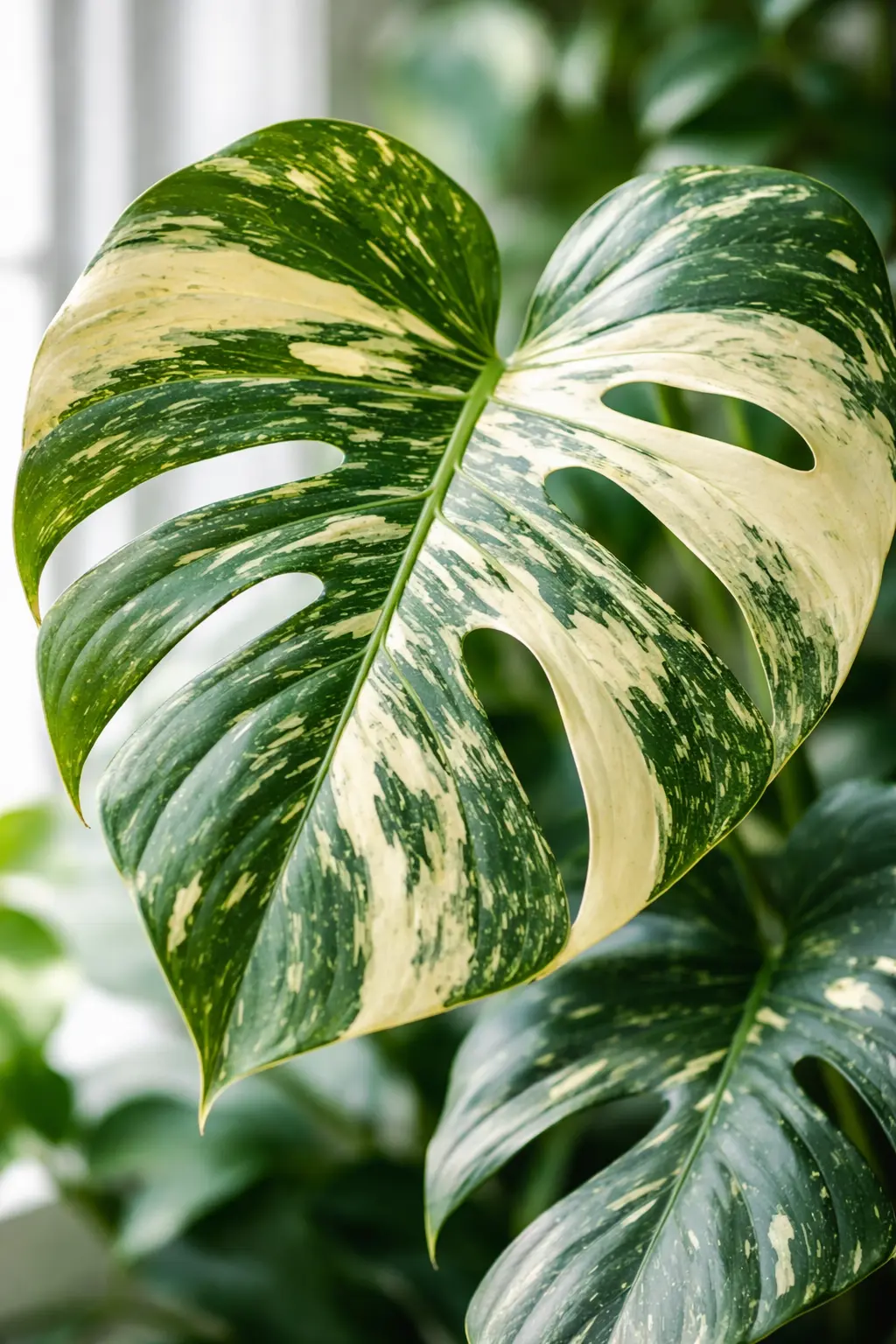
The Monstera Thai Constellation is one of the most coveted houseplants among plant enthusiasts, and it’s easy to see why. This stunning variegated cultivar of Monstera deliciosa features gorgeous cream and green marbled leaves with a unique pattern that resembles a starry night sky—hence the name “Constellation.”

Unlike naturally occurring variegated plants, the Thai Constellation was developed through tissue culture in a laboratory in Thailand, making it a stable variegation that reliably produces those beautiful cream-splashed leaves. This scientific breeding ensures consistent variegation patterns, though each leaf remains uniquely beautiful.

While Monstera Thai Constellation care requires more attention than standard Monsteras, the reward is spectacular: a showstopping indoor plant with dramatic foliage that becomes the centerpiece of any room. In this comprehensive guide, you’ll learn everything needed to keep your Thai Constellation thriving, from optimal lighting and watering to troubleshooting common problems.

✨ THAI CONSTELLATION QUICK TIP
The Variegation Secret: The cream-colored variegation in Thai Constellation contains no chlorophyll, meaning those sections can’t photosynthesize. This is why proper bright, indirect light is crucial—the green portions need enough light to compensate for the non-photosynthesizing cream areas. Too little light will cause the plant to produce more green (less variegated) leaves to survive.

Lighting Requirements for Monstera Thai Constellation

Light is arguably the most critical factor in Thai Constellation care. Getting the lighting right determines whether your plant thrives with stunning variegation or struggles with poor growth and fading patterns.

Ideal Light Conditions

Bright, indirect light is the sweet spot for Monstera Thai Constellation. This means plenty of natural light that doesn’t directly hit the leaves for extended periods.

✅ Perfect Light Locations:

  • East-facing windows: Gentle morning sun with bright indirect light the rest of the day—ideal for most climates
  • West-facing windows (with sheer curtains): Filter the intense afternoon sun while maintaining brightness
  • A few feet back from south-facing windows: 3-5 feet from the window provides bright light without direct exposure
  • North-facing windows (supplemented with grow lights): May need additional lighting in winter months

Light Duration

Thai Constellation needs 10-12 hours of bright, indirect light daily for optimal growth and variegation maintenance. In lower light seasons (fall/winter), consider supplementing with full-spectrum LED grow lights to maintain consistent conditions.

❌ Avoid These Lighting Mistakes:

  • Direct afternoon sun: Burns the delicate variegated leaves, causing brown crispy patches
  • Low light conditions: Results in leggy growth, smaller leaves, and loss of variegation in new growth
  • Inconsistent lighting: Moving the plant frequently disrupts growth patterns
  • No rotation: Plant grows lopsided; rotate 90° every week for even growth

Signs Your Lighting Needs Adjustment

  • Too much light: Brown, crispy patches on leaves (especially on white variegation), faded coloring, curling leaves
  • Too little light: New leaves have less variegation (more green), leggy stems with large gaps between leaves, slow growth, smaller leaf size
  • Just right: New leaves show beautiful cream and green variegation, compact growth with leaves close together, fenestrations (leaf splits) developing on mature leaves

💡 Pro Tip: Use a light meter app on your smartphone to measure light levels. Thai Constellation thrives at 10,000-20,000 lux. Below 5,000 lux is too dark; above 30,000 lux (direct sun) causes burning.

Soil & Potting Essentials

Proper soil composition is crucial for Monstera Thai Constellation health. These tropical plants are aroids (like Philodendrons and Pothos) that need excellent drainage and aeration to prevent root rot.

The Perfect Soil Mix Recipe

Create a chunky, well-draining aroid mix using these proportions:

  • 40% premium potting soil or coco coir: Provides nutrients and base structure
  • 20% perlite: Improves drainage and prevents compaction
  • 20% orchid bark (medium chunks): Creates air pockets for healthy roots
  • 10% worm castings or compost: Adds gentle, slow-release nutrients
  • 10% activated charcoal: Prevents bacterial growth and keeps soil fresh

Alternative: Purchase a pre-made aroid or Monstera-specific potting mix from quality brands. Look for mixes labeled “chunky” or “well-draining.”

Why Regular Potting Soil Doesn’t Work

Standard potting soil is too dense and retains too much moisture for Thai Constellation. The roots need oxygen, and compacted soil leads to root suffocation and rot—the #1 killer of these plants.

Choosing the Right Pot

Pot Selection Criteria:

  • Drainage holes: Absolutely essential—never use pots without drainage
  • Size: Only 2 inches larger in diameter than the root ball; oversized pots hold too much moisture
  • Material options:
    • Terracotta/clay: Breathable, helps prevent overwatering, but dries out quickly—good for heavy waterers
    • Plastic: Retains moisture longer, lightweight, affordable—monitor watering carefully
    • Ceramic (glazed): Attractive, moderate water retention—ensure drainage holes

When and How to Repot

Repot your Thai Constellation every 2-3 years in spring when you notice:

  • Roots growing through drainage holes
  • Water running straight through without absorbing
  • Growth significantly slowing despite good care
  • Plant becoming top-heavy and unstable

Repotting steps:

  1. Water the plant 24 hours before repotting
  2. Gently remove from current pot and inspect roots
  3. Trim any mushy, brown, or dead roots with sterile scissors
  4. Place in new pot with fresh soil mix
  5. Add moss pole or support for climbing growth
  6. Water lightly and keep in medium light for 1-2 weeks to reduce transplant shock

Complete Watering Guide

Watering your Monstera Thai Constellation correctly prevents the most common problems: root rot from overwatering or crispy leaves from underwatering. Finding the right balance is key.

When to Water

The golden rule: Water when the top 1-2 inches of soil are dry. Check soil moisture by:

  • Inserting your finger 2 inches into the soil
  • Using a wooden skewer (like checking cake doneness)—if it comes out mostly dry, it’s time to water
  • Using a moisture meter for precise readings (water when it reads 3-4 on a 1-10 scale)
  • Observing the pot weight—dry soil is noticeably lighter

How to Water Properly

✅ Correct Watering Technique:

  1. Water thoroughly: Pour water evenly over the soil surface until it drains from the bottom holes
  2. Allow complete drainage: Let excess water drain fully—never leave sitting in water
  3. Empty saucer: Discard any water that collects in the drainage tray within 30 minutes
  4. Use room temperature water: Cold water shocks roots; let tap water sit overnight to reach room temp and allow chlorine to dissipate
  5. Water in the morning: Gives the plant all day to use the water

Watering Frequency Guide

Frequency varies by season, light, temperature, and humidity:

  • Spring/Summer (active growth): Typically every 7-10 days, but always check soil first
  • Fall/Winter (dormant period): Every 10-14 days or longer; growth slows and water needs decrease
  • High humidity: Less frequent watering needed
  • Low humidity/dry air: More frequent watering required

🚫 Common Watering Mistakes:

  • Watering on a schedule: Plants don’t follow calendars—always check soil moisture first
  • Shallow watering: Only wetting the top layer causes roots to stay near the surface
  • Leaving in standing water: Causes root rot within days
  • Overwatering in winter: Reduced light and cooler temps mean plants need less water
  • Using ice cubes: This internet myth can shock and damage roots

Signs of Watering Problems

Overwatering symptoms:

  • Yellow leaves (especially lower leaves)
  • Mushy, black stems
  • Soil stays wet for more than a week
  • Fungus gnats flying around the plant
  • Foul smell from soil (root rot)

Underwatering symptoms:

  • Leaves curling inward
  • Drooping, wilting appearance
  • Brown, crispy leaf edges
  • Soil pulling away from pot sides
  • Dry, dusty soil throughout the pot

💡 Pro Tip: Thai Constellation prefers to dry out slightly between waterings rather than staying constantly moist. When in doubt, wait an extra day—it’s easier to recover from slight underwatering than from root rot.

Temperature & Humidity Requirements

As a tropical plant, Monstera Thai Constellation thrives in warm, humid conditions that mimic its native rainforest environment.

Ideal Temperature Range

Daytime: 65-80°F (18-27°C)
Nighttime: 60-70°F (15-21°C)

Thai Constellation tolerates brief temperature fluctuations but performs best with consistent warmth. Temperatures below 50°F (10°C) cause stress, slow growth, and can damage the plant permanently.

⚠️ Temperature Hazards to Avoid:

  • Cold drafts: Keep away from air conditioning vents, drafty windows, or exterior doors in winter
  • Heat sources: Never place near radiators, heating vents, or fireplaces
  • Rapid temperature changes: Avoid moving between drastically different temperature zones
  • Outdoor exposure: Don’t put outside unless nighttime temps stay above 60°F

Humidity: The Secret to Lush Growth

Optimal humidity: 60-80%
Acceptable range: 40-60% (with adjustments to care)
Problem zone: Below 40% causes stress

How to Increase Humidity

✅ Effective Humidity Solutions:

  • Humidifier (best option): Maintains consistent humidity; place within 3-6 feet of plant
  • Pebble tray: Fill tray with pebbles and water; place pot on top (don’t let pot sit in water)
  • Group plants together: Plants release moisture through transpiration, creating a micro-climate
  • Place in naturally humid rooms: Bathrooms or kitchens with good light
  • Avoid misting: Contrary to popular belief, misting provides only temporary humidity and can promote fungal issues

Signs of Low Humidity

  • Brown, crispy leaf edges and tips
  • Curling leaf edges
  • Slower growth rate
  • Spider mite infestations (they love dry conditions)
  • New leaves emerging smaller than expected

💡 Pro Tip: Use a hygrometer (humidity meter) to monitor levels accurately. They’re inexpensive and take the guesswork out of humidity management. Place it near your plants for accurate readings.

Fertilizing & Growth Tips

Regular fertilization supports healthy growth and maintains the stunning variegation that makes Thai Constellation so special.

Fertilizer Type and Schedule

Best fertilizer: Balanced liquid fertilizer with equal NPK ratio (20-20-20 or similar) diluted to half strength

Feeding schedule:

  • Spring/Summer (March-August): Every 4-6 weeks during active growth
  • Fall (September-October): Every 6-8 weeks as growth slows
  • Winter (November-February): Reduce or stop fertilizing; plant is semi-dormant

How to Fertilize Properly

  1. Water the plant thoroughly the day before fertilizing (prevents root burn)
  2. Dilute liquid fertilizer to half the recommended strength
  3. Apply to moist soil—never to dry soil
  4. Water again lightly after fertilizing to distribute nutrients

Alternative Fertilizing Methods:

  • Slow-release pellets: Apply every 3-4 months; provides steady nutrition
  • Worm castings: Top-dress with 1 inch layer; gentle, organic option
  • Compost tea: Diluted compost water provides mild nutrition

🚫 Fertilizing Mistakes to Avoid:

  • Over-fertilizing: Causes salt buildup, brown leaf tips, and can kill the plant
  • Fertilizing in winter: Plant isn’t actively growing; nutrients accumulate unused
  • Using full-strength fertilizer: Too concentrated for most houseplants
  • Fertilizing stressed plants: Fix other issues first before adding nutrients

Supporting Climbing Growth

Monstera Thai Constellation is a natural climber. Providing vertical support encourages:

  • Larger, more fenestrated (split) leaves
  • More compact, upright growth
  • Better variegation display

Support options:

  • Moss pole: Most popular; allows aerial roots to attach
  • Coco coir pole: Similar to moss but longer-lasting
  • Wooden stake or trellis: Simple and effective

Install supports when repotting for best results, and gently tie stems to the support with soft plant ties.

Propagation Methods

Propagating Monstera Thai Constellation allows you to create new plants or share this beauty with friends. However, there are important considerations unique to this variegated cultivar.

Stem Cutting Propagation

The most reliable method for Thai Constellation:

  1. Choose a healthy stem with at least one node (where leaves attach) and aerial root
  2. Make the cut just below a node using clean, sharp scissors or pruning shears
  3. Ensure the cutting has:
    • At least one node
    • One or more leaves (with good variegation)
    • Preferably an aerial root
  4. Rooting options:
    • Water propagation: Place cutting in water, change water every 3-5 days, roots develop in 3-6 weeks
    • Soil propagation: Plant directly in moist soil mix, keep consistently moist, roots develop in 4-8 weeks
  5. Provide bright, indirect light and maintain high humidity during rooting
  6. Transplant to soil once water roots are 2-3 inches long

⚠️ Important Variegation Note:

Unlike the parent plant, propagated Thai Constellation may not always maintain the same variegation pattern. Some cuttings may produce:

  • More variegated leaves than the parent
  • Less variegated leaves
  • Completely green leaves (reverted)
  • Or maintain similar variegation

This variability is normal with variegated plants. Choose cuttings with good variegation for the best chance of maintaining the pattern, but understand results may vary.

Air Layering (Advanced Method)

For a higher success rate maintaining variegation:

  1. Choose a healthy stem with good variegation
  2. Make a small upward cut below a node (don’t cut through)
  3. Wrap the area with moist sphagnum moss
  4. Cover with plastic wrap to maintain moisture
  5. Wait 4-8 weeks for roots to develop in the moss
  6. Cut below the rooted area and pot up

💡 Pro Tip: Propagate in spring or early summer when the plant is actively growing for the best success rates. Avoid propagating during fall or winter when growth is slow.

Common Problems & Solutions

Even with excellent care, Monstera Thai Constellation problems can occur. Here’s how to identify and fix the most common issues.

🟤 Brown or Crispy Leaf Edges

Causes:

  • Low humidity (most common)
  • Underwatering or inconsistent watering
  • Too much direct sunlight
  • Salt buildup from over-fertilizing
  • Fluoride or chlorine in tap water

Solutions:

  • Increase humidity with a humidifier (target 60%+)
  • Water more consistently; don’t let soil completely dry out
  • Move plant away from direct sun exposure
  • Flush soil with distilled water to remove salt buildup
  • Use filtered or distilled water for sensitive plants

🟡 Yellow Leaves

Causes:

  • Overwatering (most common—check for soggy soil)
  • Poor drainage causing root rot
  • Natural aging (lower leaves turn yellow and drop)
  • Nutrient deficiency
  • Pest infestation

Solutions:

  • Reduce watering frequency; let soil dry more between waterings
  • Check for root rot; repot if roots are mushy and brown
  • If only oldest leaf is yellow, this is normal aging
  • Feed with balanced fertilizer during growing season
  • Inspect for pests under leaves and in soil

🟢 Loss of Variegation (New Leaves More Green)

Causes:

  • Insufficient light (primary cause)
  • Too much nitrogen fertilizer
  • Natural variation in variegation

Solutions:

  • Increase light immediately: Move to brighter location or add grow light
  • Reduce nitrogen-heavy fertilizers; use balanced formula
  • Be patient—next leaf may have more variegation
  • Prune fully green growth if it appears (reverted sections)

🐛 Common Pests

Spider Mites

Identification: Tiny dots on leaves, fine webbing, stippled yellowing on leaves

Treatment:

  • Shower plant thoroughly with water
  • Spray with neem oil solution weekly for 3-4 weeks
  • Increase humidity (spider mites hate moisture)
  • Isolate from other plants

Mealybugs

Identification: White, cottony masses in leaf joints and on stems

Treatment:

  • Remove with cotton swab dipped in rubbing alcohol
  • Spray with insecticidal soap
  • Apply neem oil weekly
  • Check regularly for reappearance

Scale Insects

Identification: Brown or tan bumps on stems and undersides of leaves

Treatment:

  • Scrape off manually with fingernail or soft brush
  • Wipe with rubbing alcohol
  • Treat with horticultural oil or neem oil

✅ Pest Prevention:

  • Inspect new plants before bringing home
  • Quarantine new plants for 2-3 weeks
  • Wipe leaves monthly with damp cloth
  • Maintain proper humidity levels
  • Ensure good air circulation

🌱 Want More Monstera Care Tips?

Get our FREE Monstera Care Cheat Sheet with watering schedules, troubleshooting charts, and monthly maintenance reminders!

Download Free Guide

Conclusion

Caring for a Monstera Thai Constellation is incredibly rewarding when you understand its specific needs. This stunning variegated plant requires more attention than standard Monsteras, but the spectacular cream-and-green foliage makes every bit of effort worthwhile.

Remember the essentials: bright, indirect light maintains variegation; chunky, well-draining soil prevents root rot; consistent watering (when the top 1-2 inches are dry) keeps the plant hydrated without overdoing it; and 60-80% humidity creates those lush, tropical conditions Thai Constellation loves.

By following the guidelines in this comprehensive care guide—from proper lighting and watering to fertilizing, propagation, and troubleshooting—your Thai Constellation will reward you with stunning new growth, impressive fenestrations, and that signature starry variegation that makes this plant a true showstopper.

Consistency is key. Establish a care routine, observe your plant’s signals, and adjust as needed. With patience and proper care, your Monstera Thai Constellation will thrive and become a spectacular focal point in your indoor plant collection for years to come. Happy growing! ✨

Frequently Asked Questions

Is Monstera Thai Constellation toxic to pets?

Yes, Monstera Thai Constellation is toxic to both pets and humans. Like all Monstera varieties, it contains calcium oxalate crystals that cause oral irritation, excessive drooling, vomiting, and difficulty swallowing if ingested. Keep this plant out of reach of cats, dogs, and children. If ingestion occurs, contact your veterinarian or poison control immediately.

How often should I repot my Monstera Thai Constellation?

Repot your Monstera Thai Constellation every 2-3 years or when you notice roots growing through drainage holes, water running straight through the pot, or significantly slowed growth despite proper care. Always repot in spring during the active growing season, and only move up 2-4 inches in pot size to prevent overwatering issues. Young, fast-growing plants may need annual repotting.

How fast does Monstera Thai Constellation grow?

Monstera Thai Constellation grows slower than standard green Monsteras because the variegated (cream-colored) portions of leaves contain no chlorophyll for photosynthesis. Expect 1-2 new leaves every 4-6 weeks during the growing season (spring/summer) with optimal care. Growth rate depends on light intensity, humidity, temperature, and overall plant health. Providing bright indirect light, proper humidity, and climbing support encourages faster, more robust growth.

Why is my Thai Constellation losing variegation?

Loss of variegation in new leaves is almost always caused by insufficient light. The plant produces more green (chlorophyll-containing) tissue to compensate for low light conditions and maintain photosynthesis. Move your plant immediately to a brighter location with more indirect sunlight, or supplement with a full-spectrum grow light. Consistency is key—Thai Constellation needs 10-12 hours of bright, indirect light daily to maintain its signature cream-and-green variegation.

What humidity level does Thai Constellation need?

Monstera Thai Constellation thrives in 60-80% humidity, though it can tolerate 40-60% with some compromise in growth rate and leaf quality. Below 40% humidity, you’ll notice brown, crispy leaf edges and slower growth. Use a humidifier for best results, or increase humidity with pebble trays, grouping plants together, or placing in naturally humid rooms like bathrooms (with adequate light). Avoid misting as it provides only temporary relief and can promote fungal problems.

Can I grow Thai Constellation from a cutting?

Yes, you can propagate Thai Constellation from stem cuttings that include at least one node and preferably an aerial root. However, variegation in the new plant is not guaranteed—cuttings may produce more variegated, less variegated, or completely green leaves. This is normal for variegated cultivars. Water or soil propagation both work; water propagation allows you to see root development. For best results, propagate in spring or summer and choose cuttings with good existing variegation.

Why are the leaves on my Thai Constellation turning yellow?

Yellow leaves on Thai Constellation most commonly indicate overwatering or poor drainage leading to root rot. Check if the soil stays soggy for more than a week, and inspect roots for mushiness or dark brown color. If one old bottom leaf turns yellow while the rest of the plant looks healthy, this is normal aging. Other causes include nutrient deficiency (feed during growing season), pest infestations (check under leaves), or cold stress (keep above 60°F/15°C).

Do Thai Constellation leaves get bigger with age?

Yes! As Monstera Thai Constellation matures, new leaves grow progressively larger and develop more fenestrations (the characteristic splits and holes). Providing vertical support like a moss pole encourages larger leaves and better fenestration development. Mature leaves can reach 12-24 inches or larger with proper care, compared to 4-8 inch leaves on young plants. Adequate light, humidity, and nutrients are essential for achieving maximum leaf size and fenestration.

About Plant Blueprint

Plant Blueprint is your trusted source for expert houseplant care guides, rare plant growing tips, and indoor gardening advice. Our team of plant enthusiasts and horticulturists is dedicated to helping you successfully grow stunning plants like Monstera Thai Constellation and build a thriving indoor jungle.

Leave a Comment