Anthurium Crystallinum Care: How to Grow Big Velvet Leaves

The Lab | Anthurium crystallinum Care Anthurium crystallinum, the crystal anthurium, is grown for its leaves: dark, velvety green with white main veins that look … Read more

The lab has science-based care guides for rare and common indoor plants.
The Lab | Anthurium crystallinum Care Anthurium crystallinum, the crystal anthurium, is grown for its leaves: dark, velvety green with white main veins that look … Read more

The Lab | Anthurium Andraeanum Care The flamingo flower (Anthurium andraeanum), sold simply as “anthurium,” is grown for its glossy, heart-shaped red, pink or white … Read more

The Lab | Syngonium ‘Pink Allusion’ Syngonium Pink Allusion care is simple: bright, filtered light, water when the top of the mix has dried a … Read more

The Lab | Syngonium albo Syngonium albo care is arrowhead vine care with more light. Clemson Extension recommends medium to bright indirect light, letting the … Read more

The Lab | Syngonium Plant Care Syngonium, also called arrowhead vine, arrowhead plant or nephthytis, is one of the easiest aroids to keep indoors. Young … Read more

The Lab | Alocasia Frydek Care Alocasia ‘Frydek’, the green velvet alocasia, is grown for its arrow-shaped, velvety dark green leaves with bright white veins. … Read more

The Lab | Alocasia Cucullata Care Alocasia cucullata, sold as Chinese taro or Buddha’s hand, is the easy-going little cousin of the giant elephant ears. … Read more
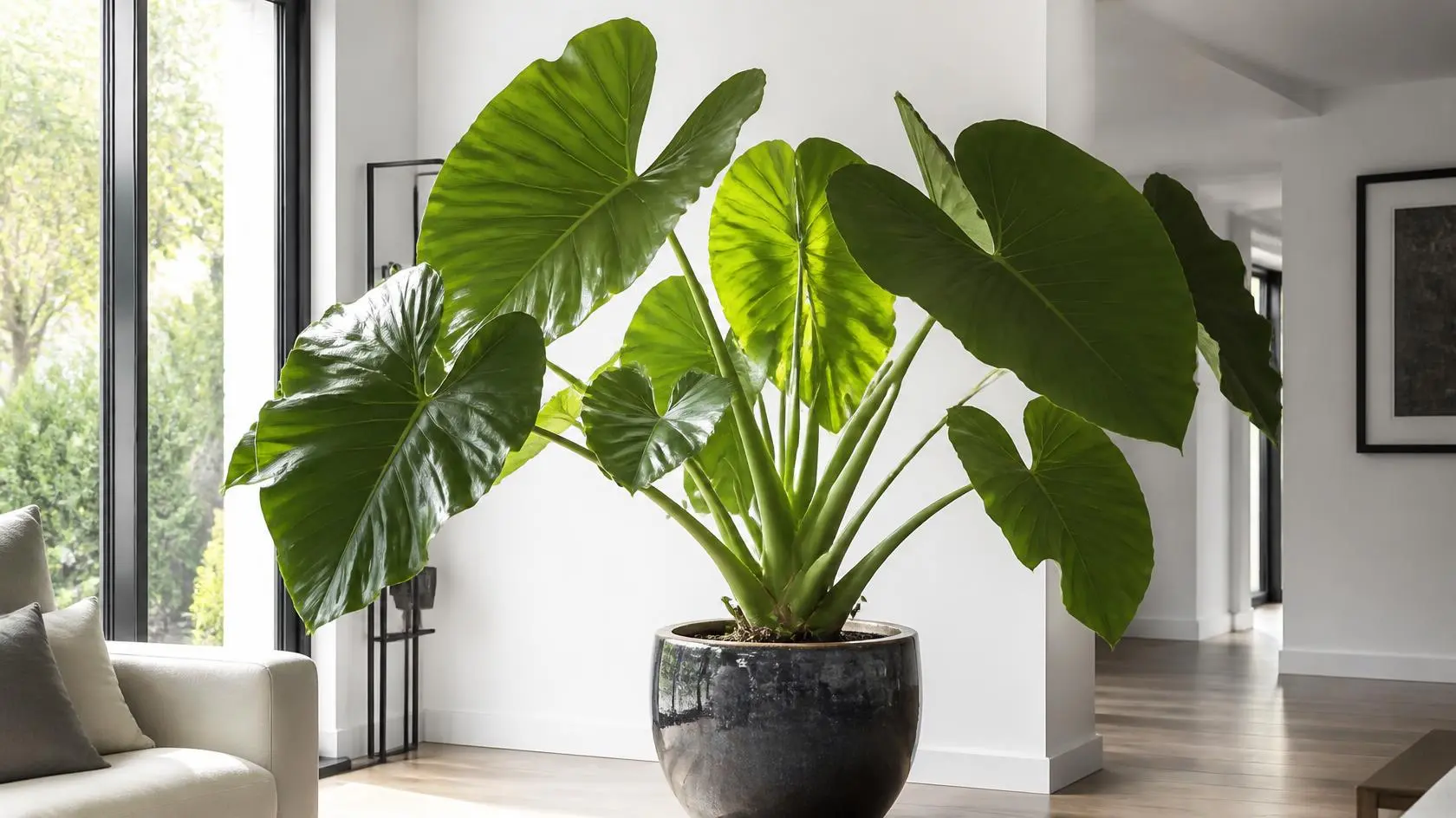
The Lab | Alocasia macrorrhizos (giant taro) Alocasia macrorrhizos care indoors comes down to bright indirect light, warmth, generous watering in summer and a cool, … Read more
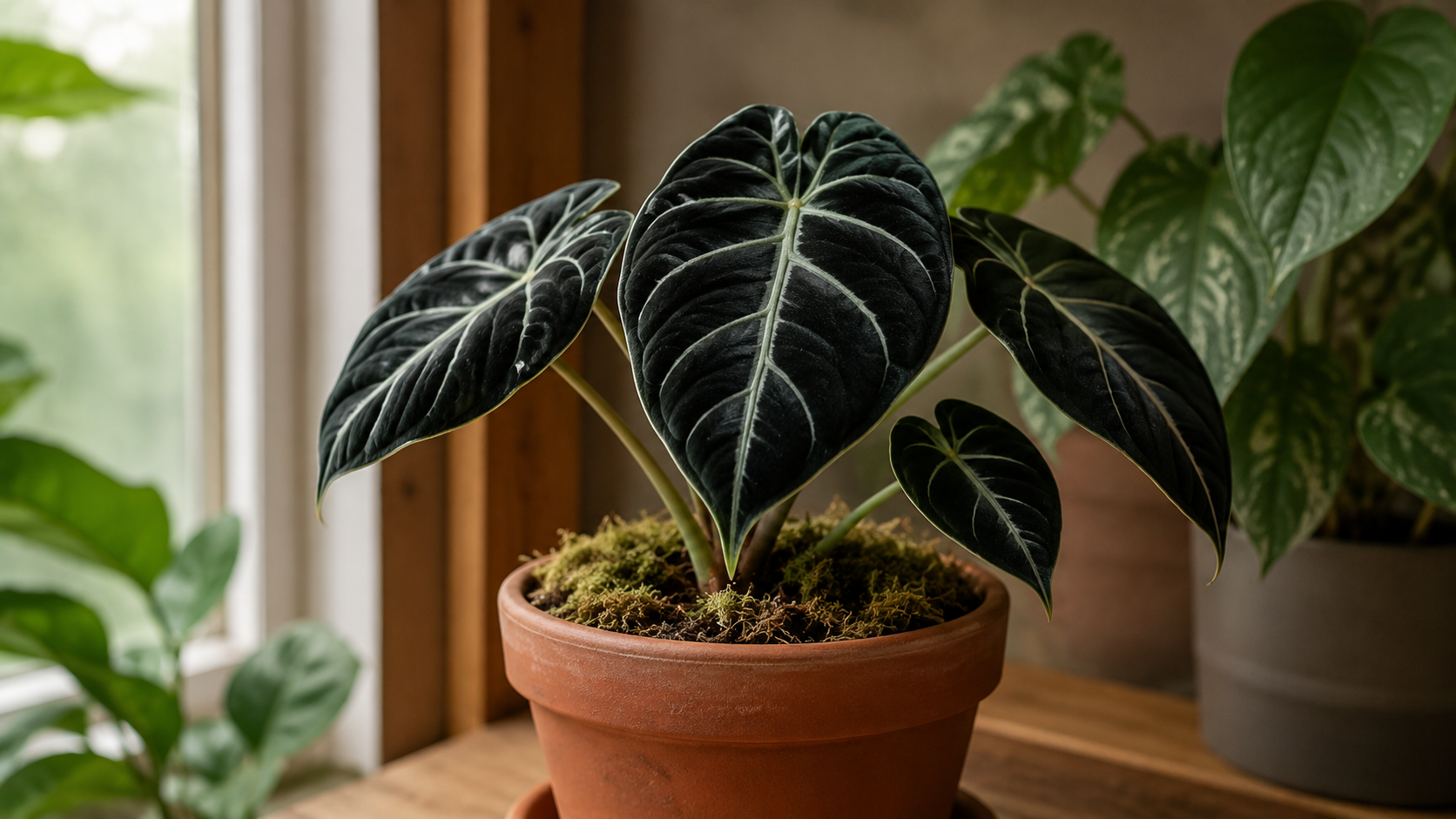
The Urban Lab | Care Protocol Alocasia Black Velvet (Alocasia reginula) needs bright, indirect light, a free-draining houseplant compost, high humidity and temperatures that stay … Read more