Alocasia Frydek Care: Humidity, Water and Winter Dormancy

The Lab | Alocasia Frydek Care Alocasia ‘Frydek’, the green velvet alocasia, is grown for its arrow-shaped, velvety dark green leaves with bright white veins. … Read more

 Mark Tavis
The Lab | Alocasia Frydek Care Alocasia ‘Frydek’, the green velvet alocasia, is grown for its arrow-shaped, velvety dark green leaves with bright white veins. … Read more

The Lab | Alocasia Cucullata Care Alocasia cucullata, sold as Chinese taro or Buddha’s hand, is the easy-going little cousin of the giant elephant ears. … Read more
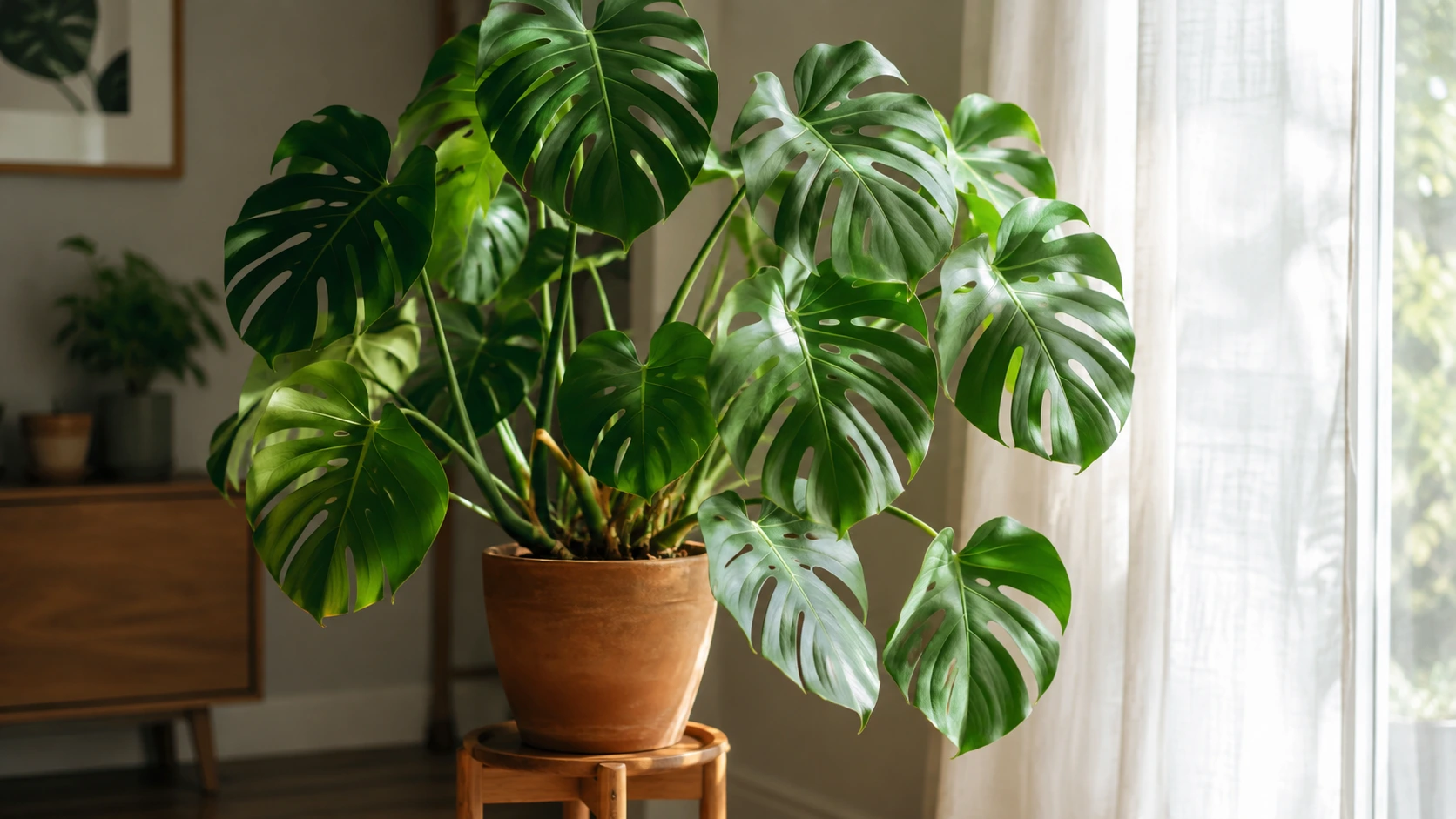
Symbolism | Monstera deliciosa Monstera symbolism is mostly modern. The Swiss cheese plant comes from the rainforests of Mexico and Central America, and the meanings … Read more
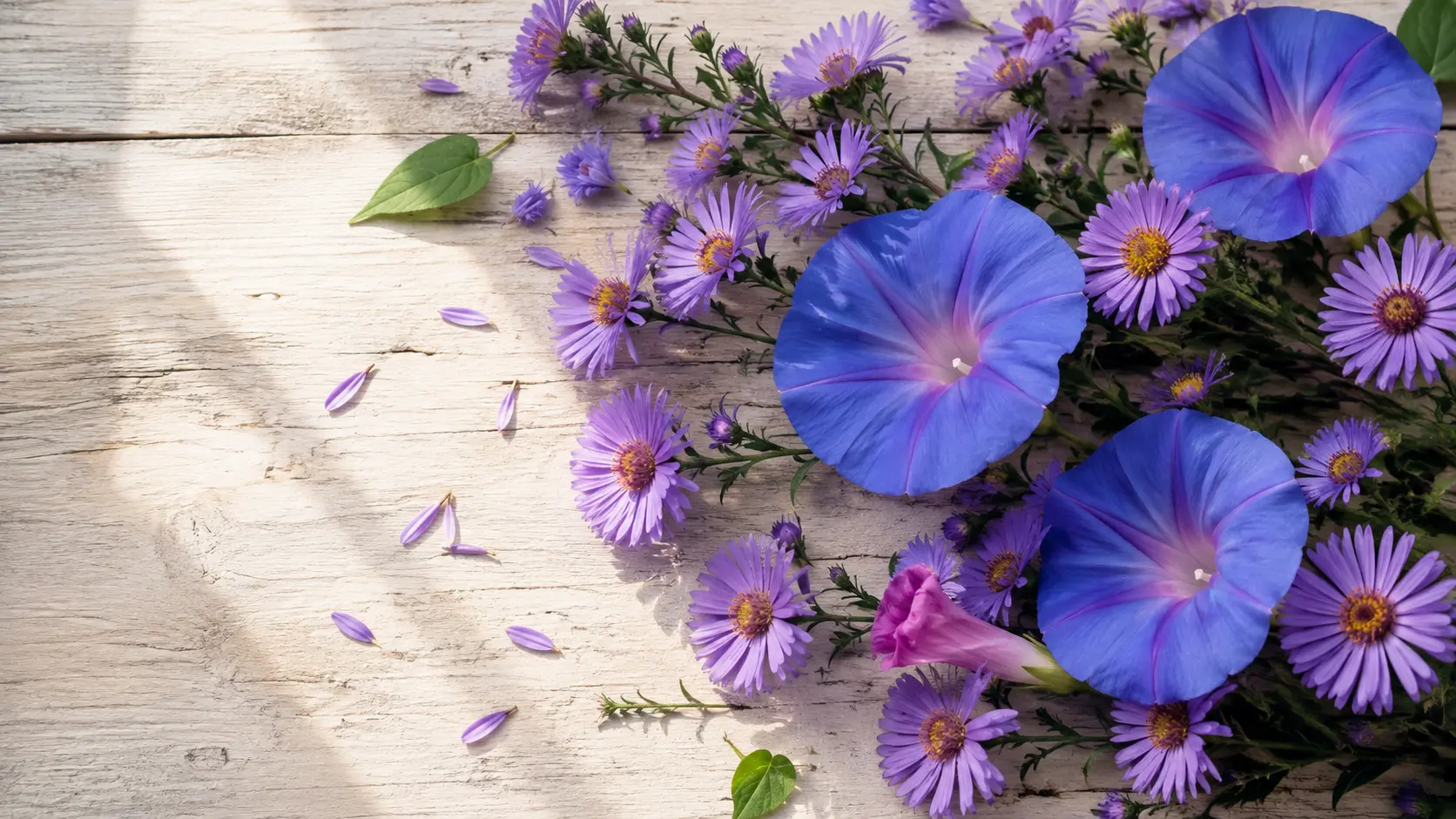
Symbolism | September Flower Meaning September’s birth flowers are usually given as the aster and the morning glory. Both have long histories in the language … Read more
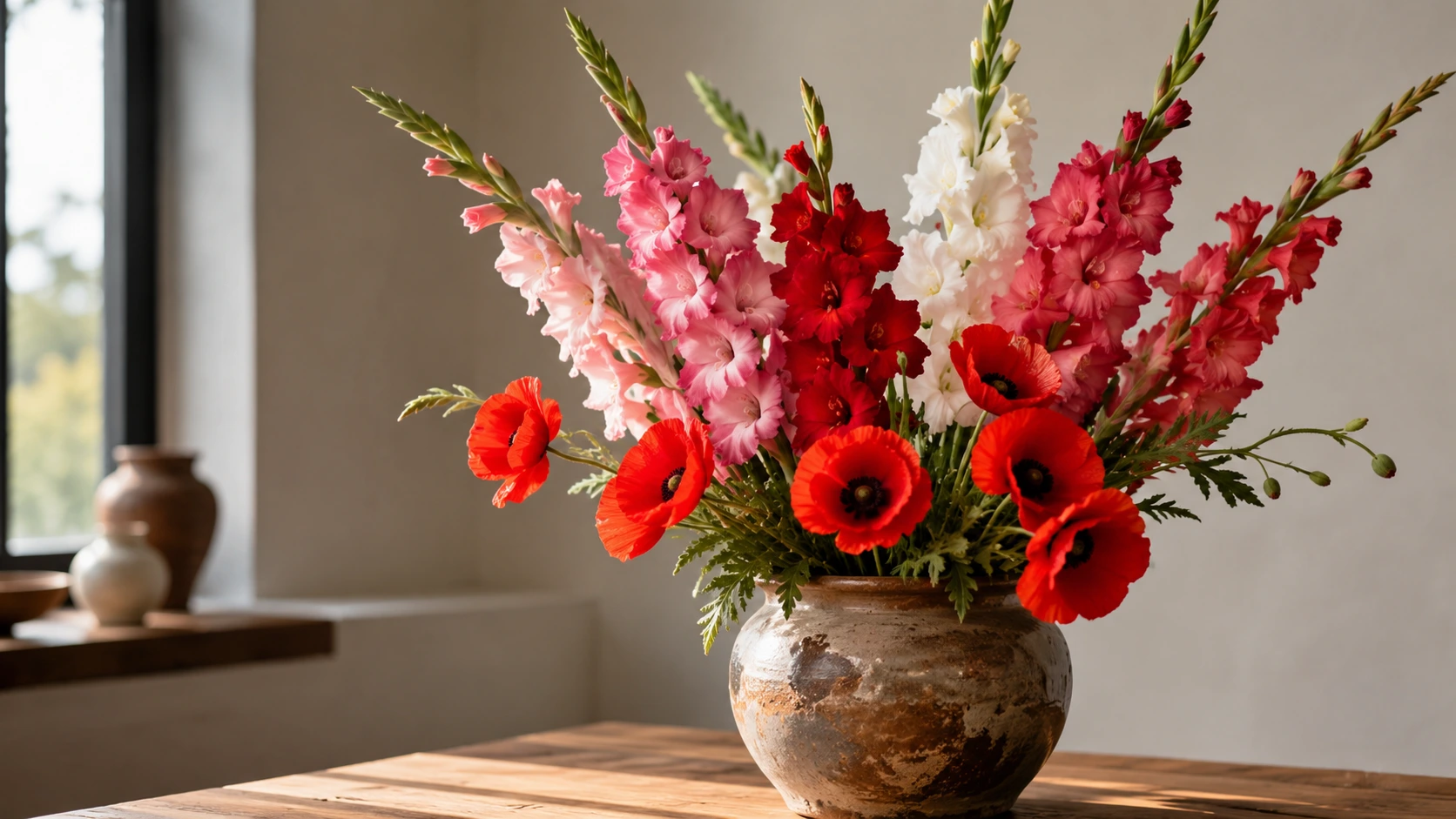
Symbolism | August Birth Flower Meaning August has two birth flowers: the gladiolus and the poppy. Birth flowers are a modern custom rather than an … Read more
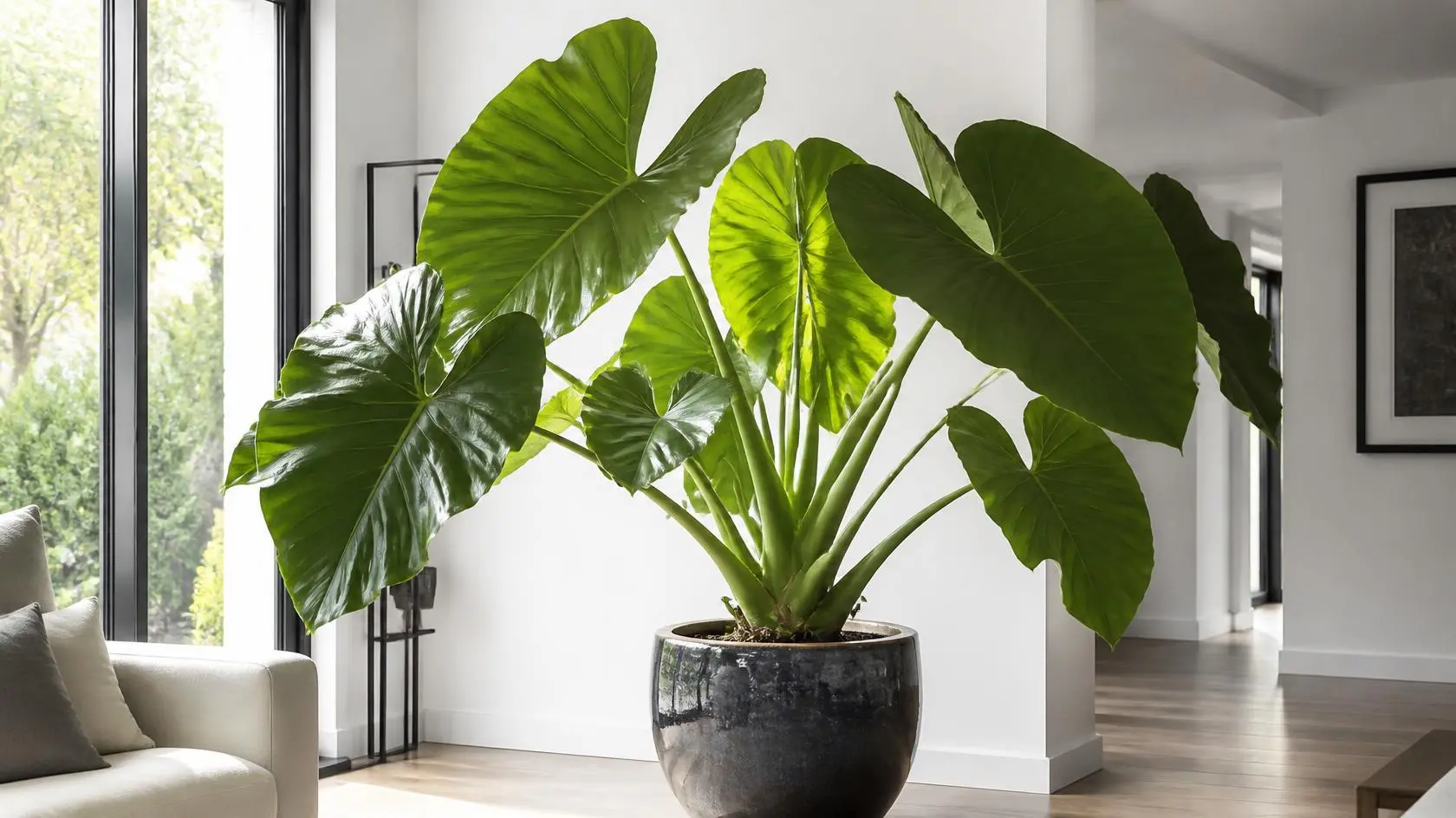
The Lab | Alocasia macrorrhizos (giant taro) Alocasia macrorrhizos care indoors comes down to bright indirect light, warmth, generous watering in summer and a cool, … Read more
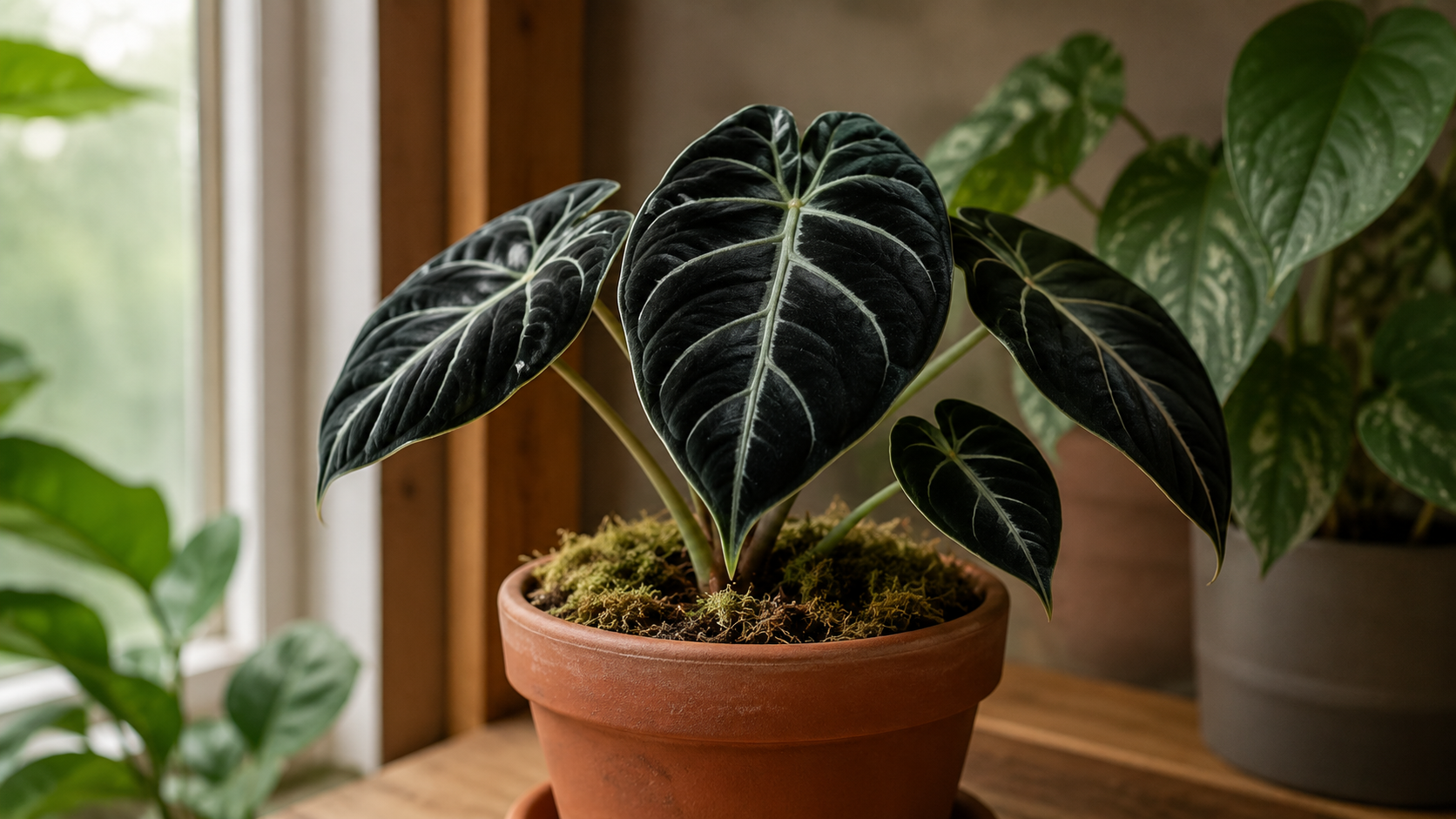
The Urban Lab | Care Protocol Alocasia Black Velvet (Alocasia reginula) needs bright, indirect light, a free-draining houseplant compost, high humidity and temperatures that stay … Read more
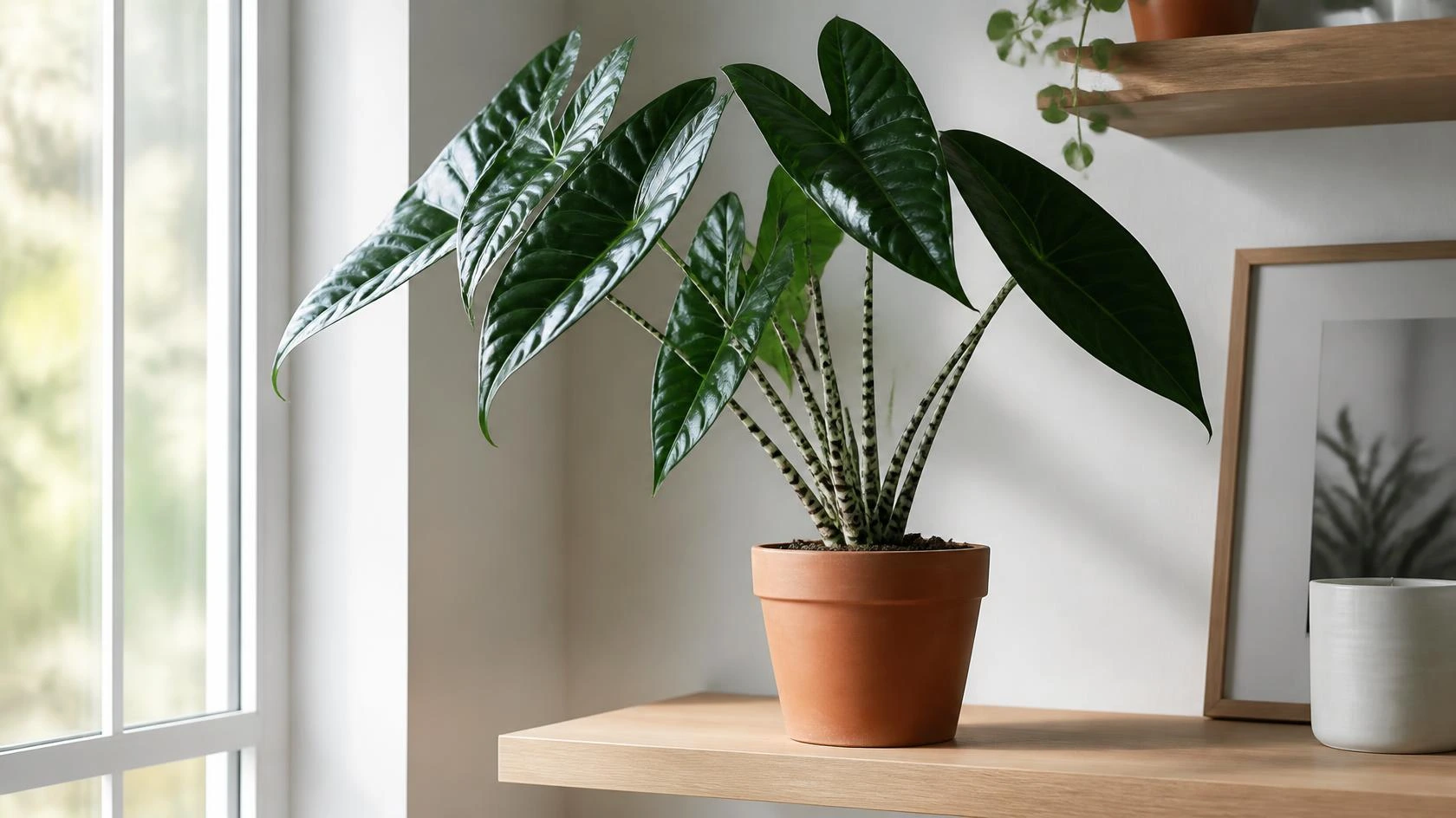
The Lab | Alocasia Zebrina Care Alocasia zebrina is grown for its stems: tall leaf stalks banded in black and cream like a zebra, topped … Read more
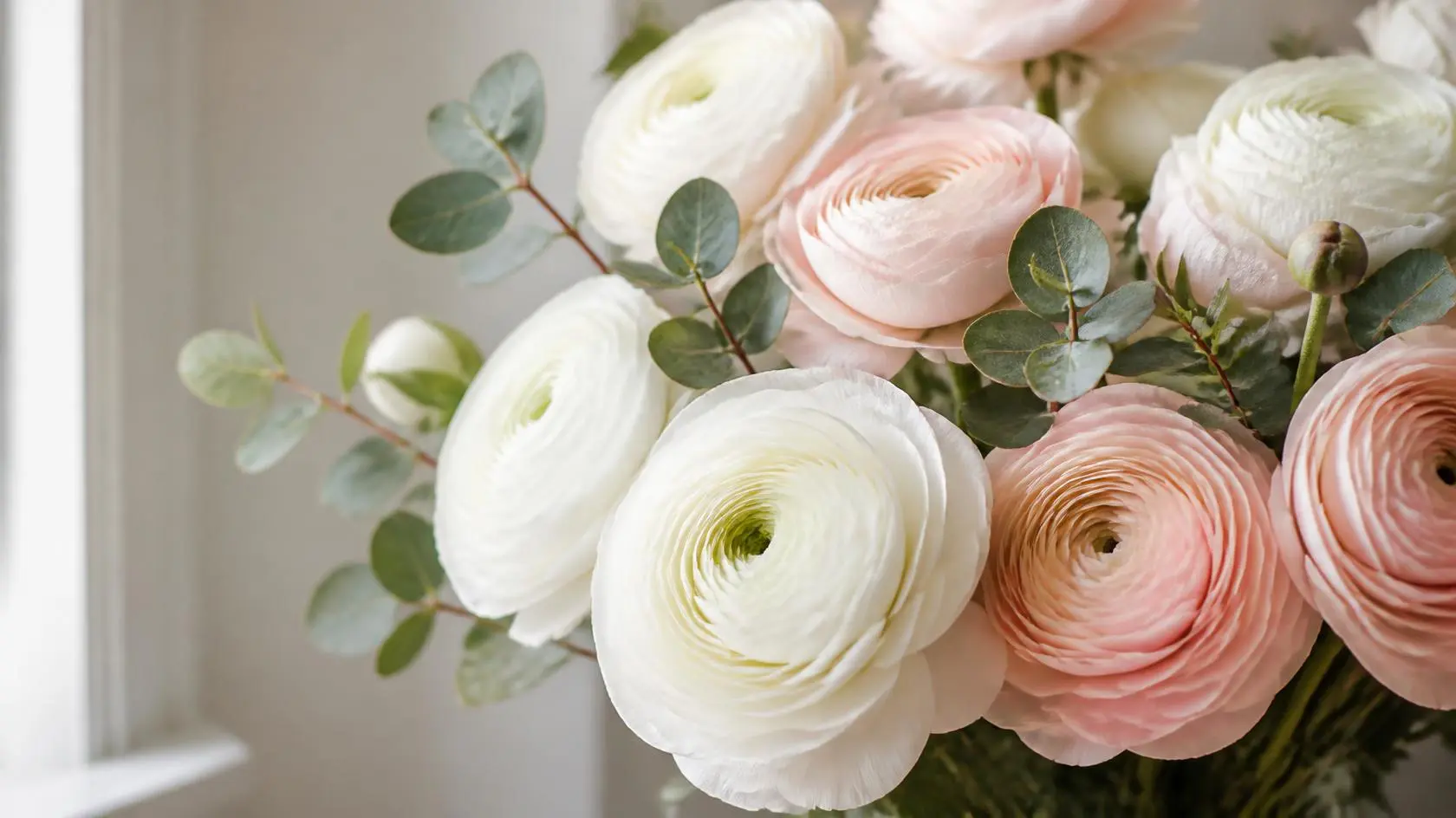
Symbolism | Ranunculus Flower Meaning The garden ranunculus (Ranunculus asiaticus, the Persian buttercup) is one of the most popular spring and wedding flowers, with layered, … Read more