Alocasia Polly Care: Why Leaves Drop and How to Stop It
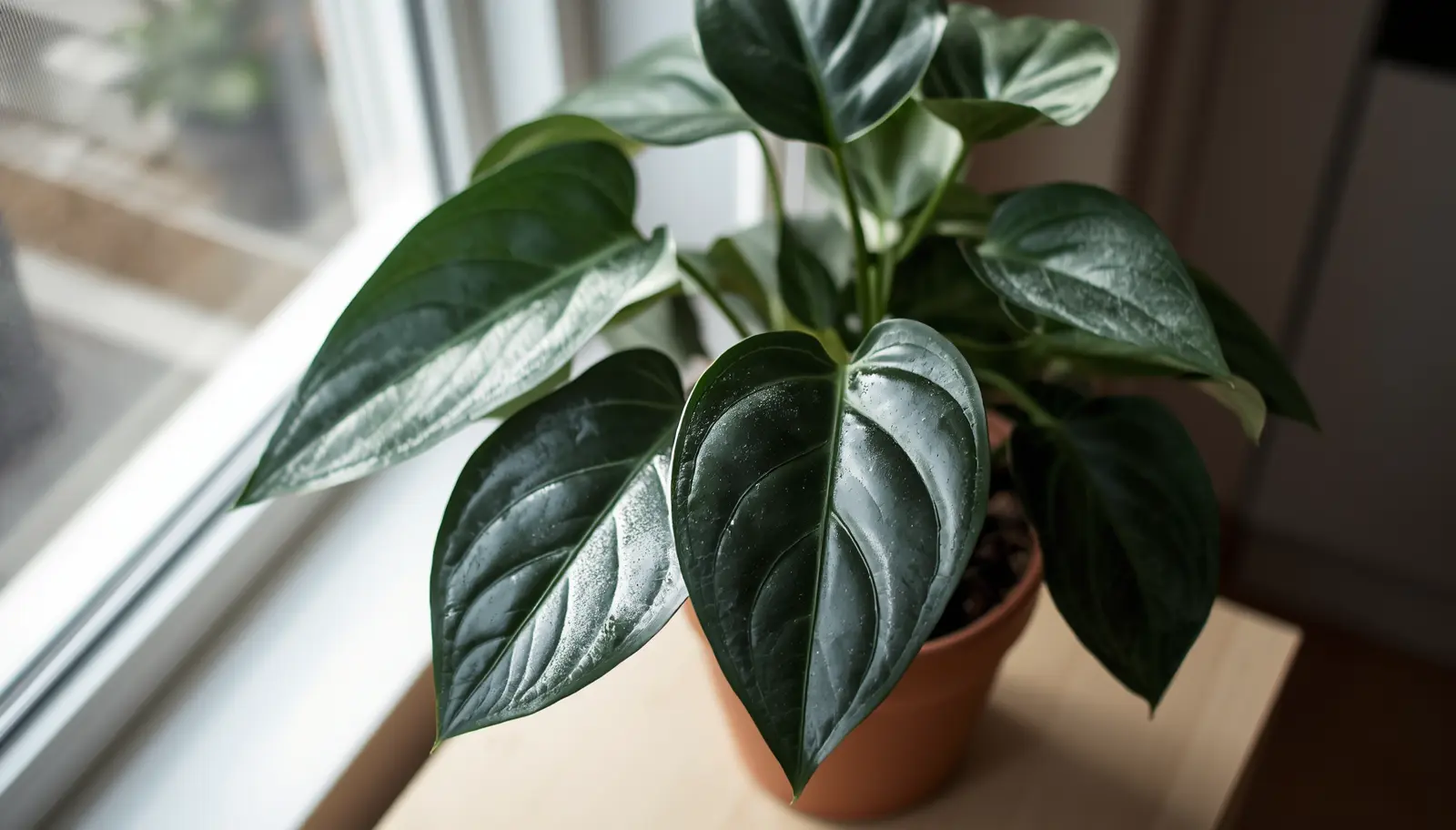
The Lab | Alocasia Polly Care Alocasia ‘Polly’ is the compact “African mask plant”: glossy, dark green arrowhead leaves with bold silvery veins on a … Read more

The Lab | Alocasia Polly Care Alocasia ‘Polly’ is the compact “African mask plant”: glossy, dark green arrowhead leaves with bold silvery veins on a … Read more
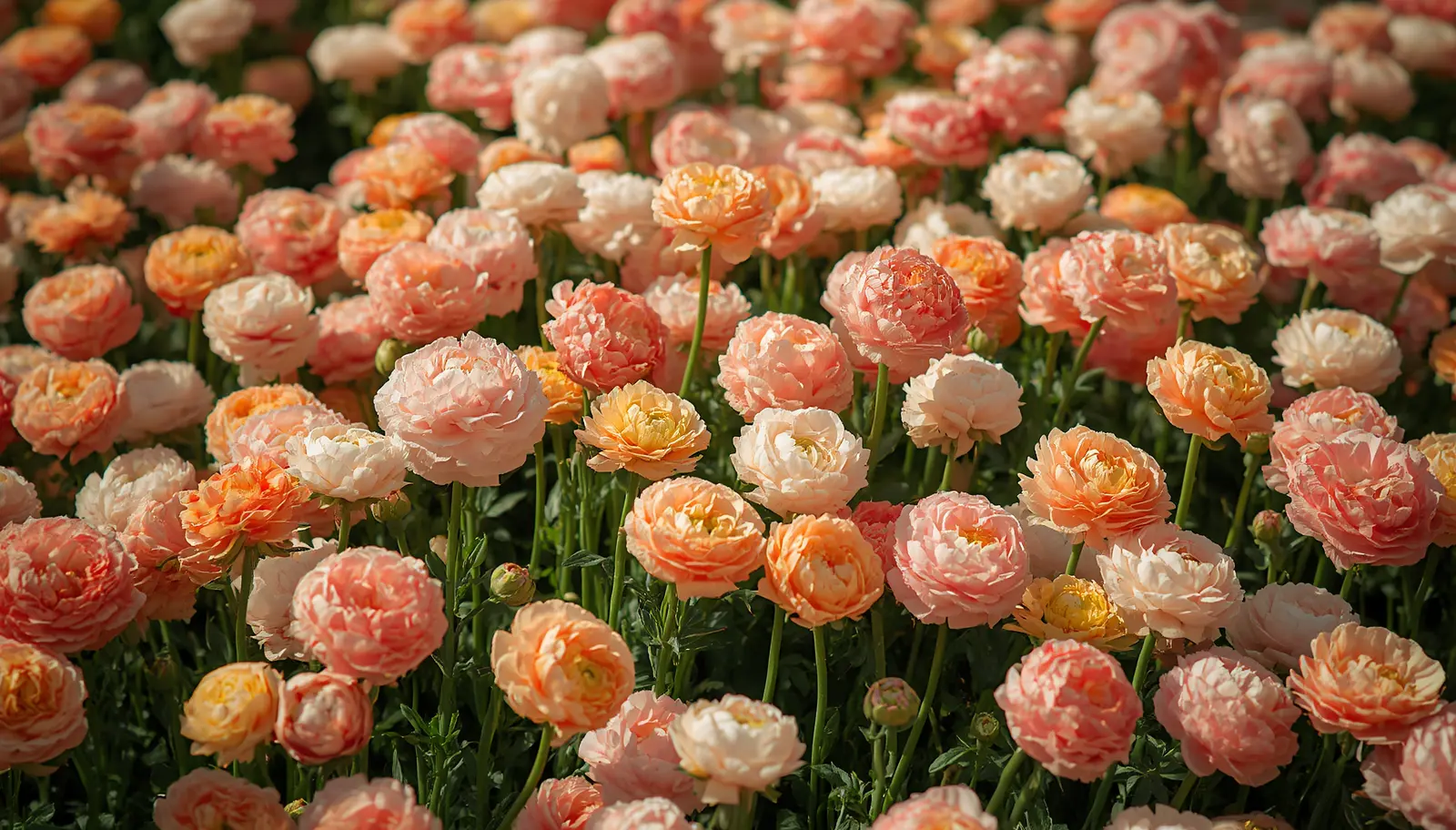
The Lab | How to Grow Ranunculus Ranunculus (Ranunculus asiaticus, the Persian buttercup) grows from small, claw-shaped tubers or corms and produces layered, rose-like flowers … Read more
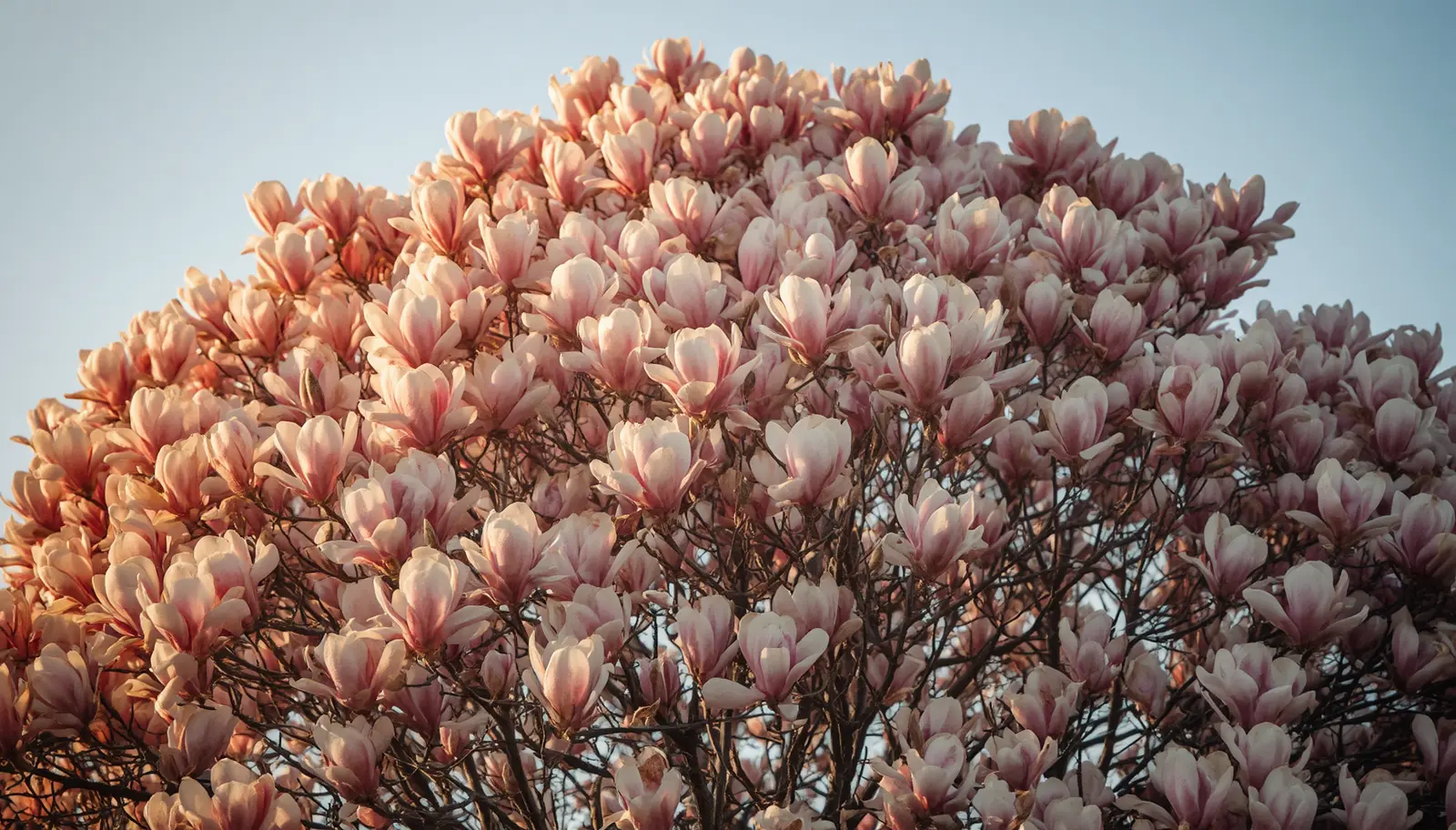
The Lab | Magnolia Tree Care Magnolias range from huge evergreen Southern magnolias that flower in summer to small deciduous star and saucer magnolias that … Read more
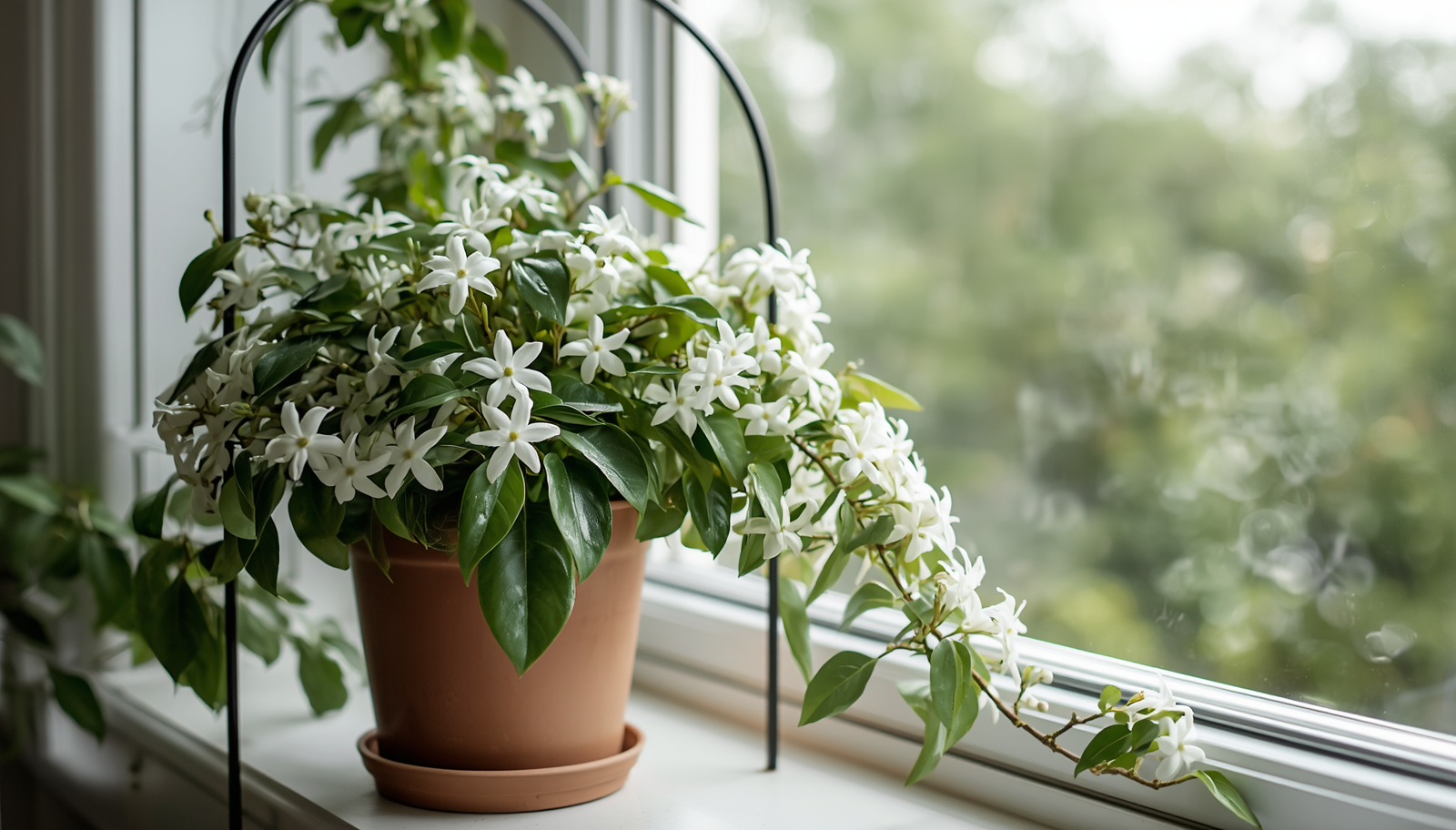
The Lab | How to Grow Jasmine Indoors Few plants can scent a whole room like jasmine, but indoor jasmine has a reputation for growing … Read more
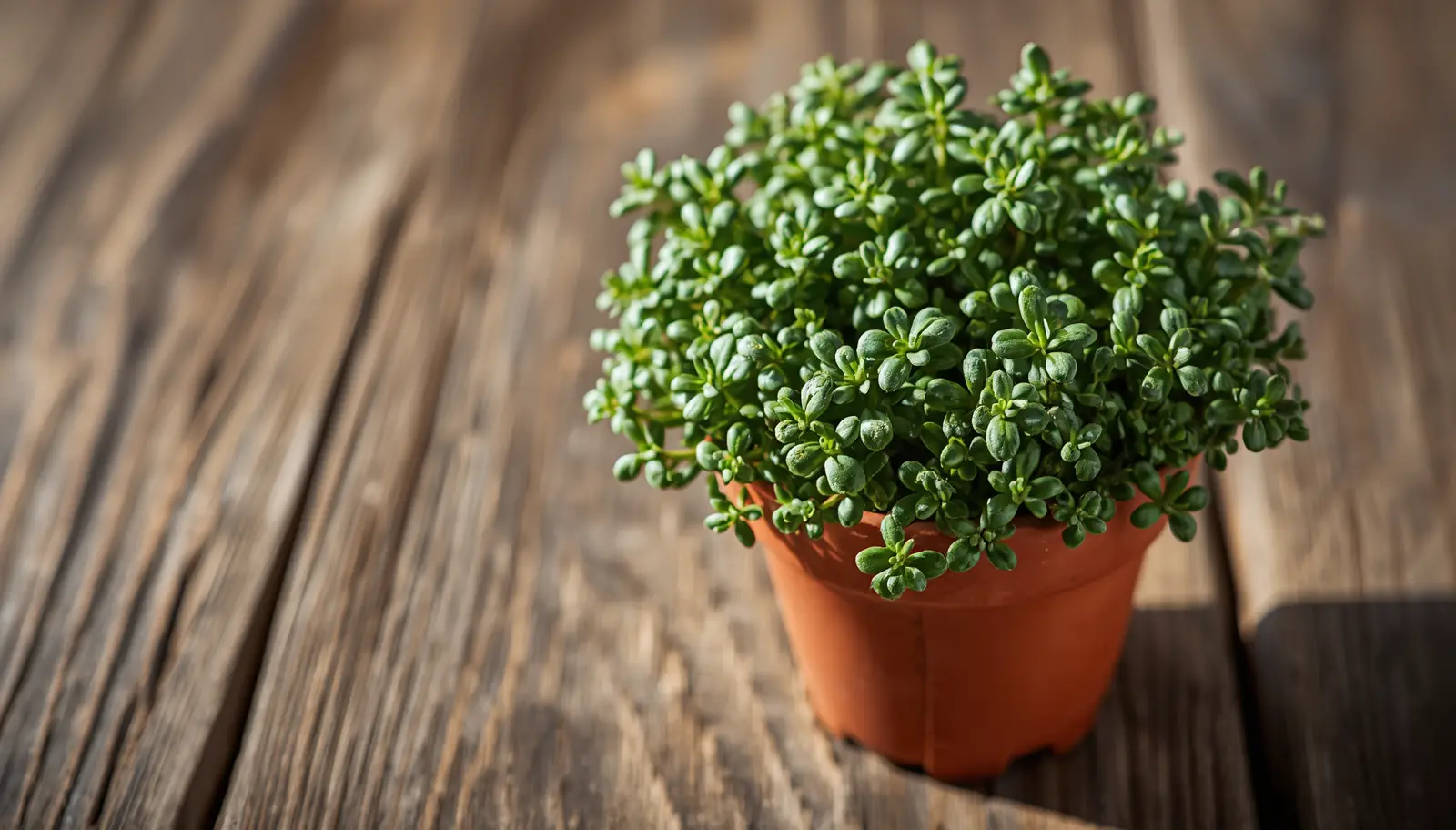
The Pantry | How to Grow Oregano Oregano (Origanum vulgare) is a hardy perennial herb in the mint family. It is easy to grow, likes … Read more
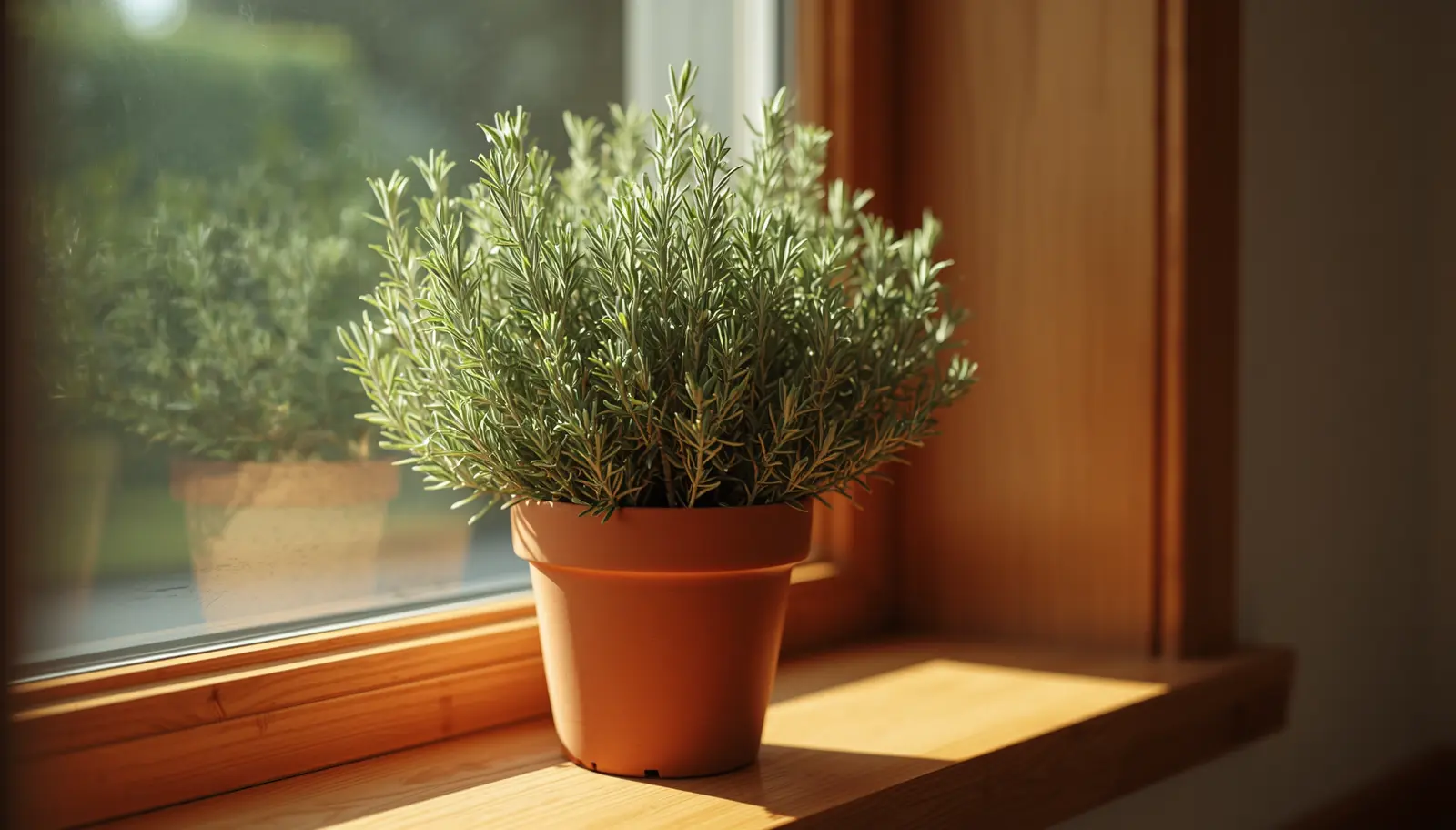
The Pantry | How to Grow Rosemary Indoors Rosemary (Salvia rosmarinus, formerly Rosmarinus officinalis) is a woody Mediterranean herb built for sun, lean soil and … Read more
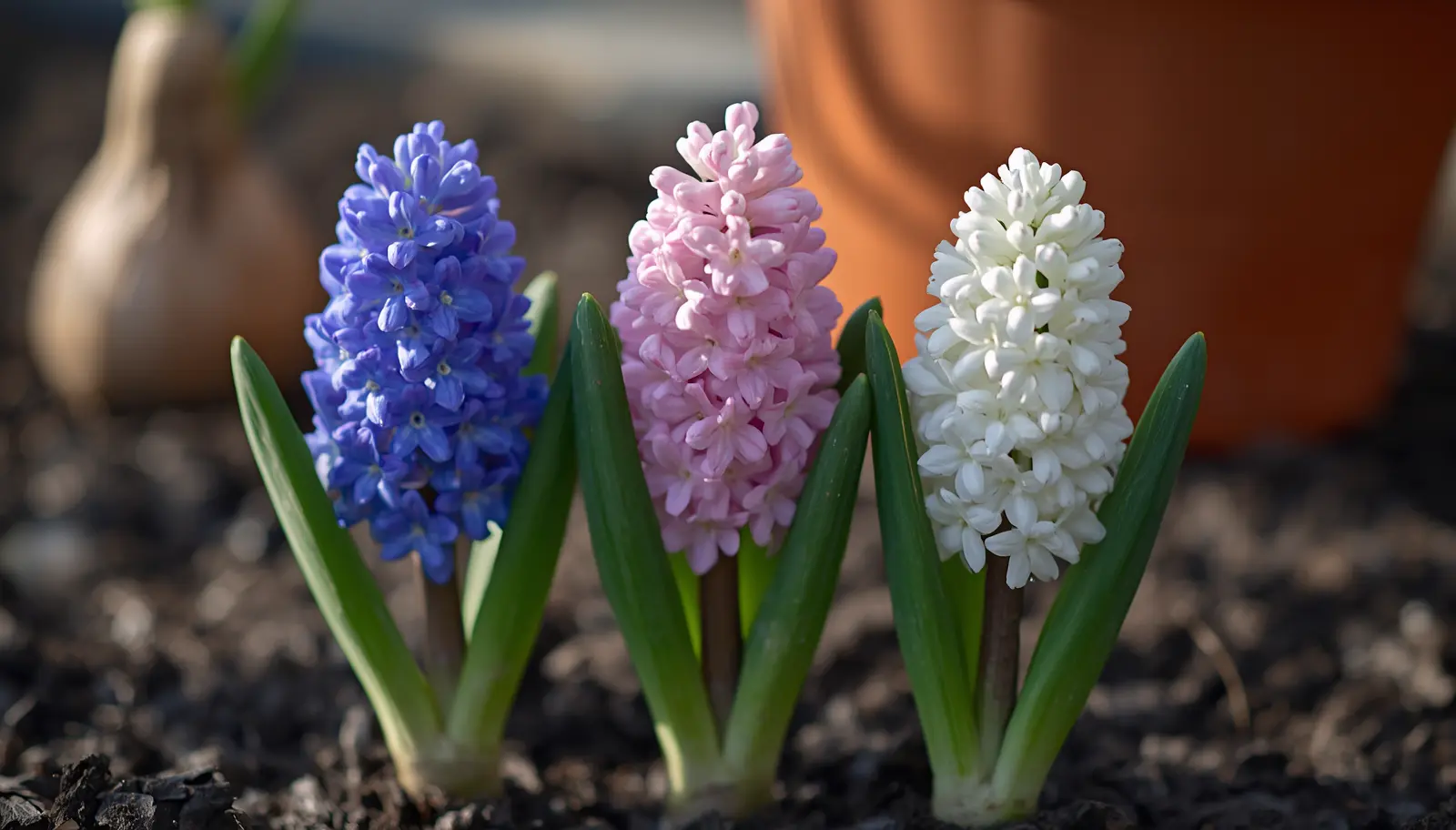
The Lab | How to Grow Hyacinths Hyacinths (Hyacinthus orientalis) are spring bulbs grown for their dense, intensely fragrant flower spikes. They are easy to … Read more
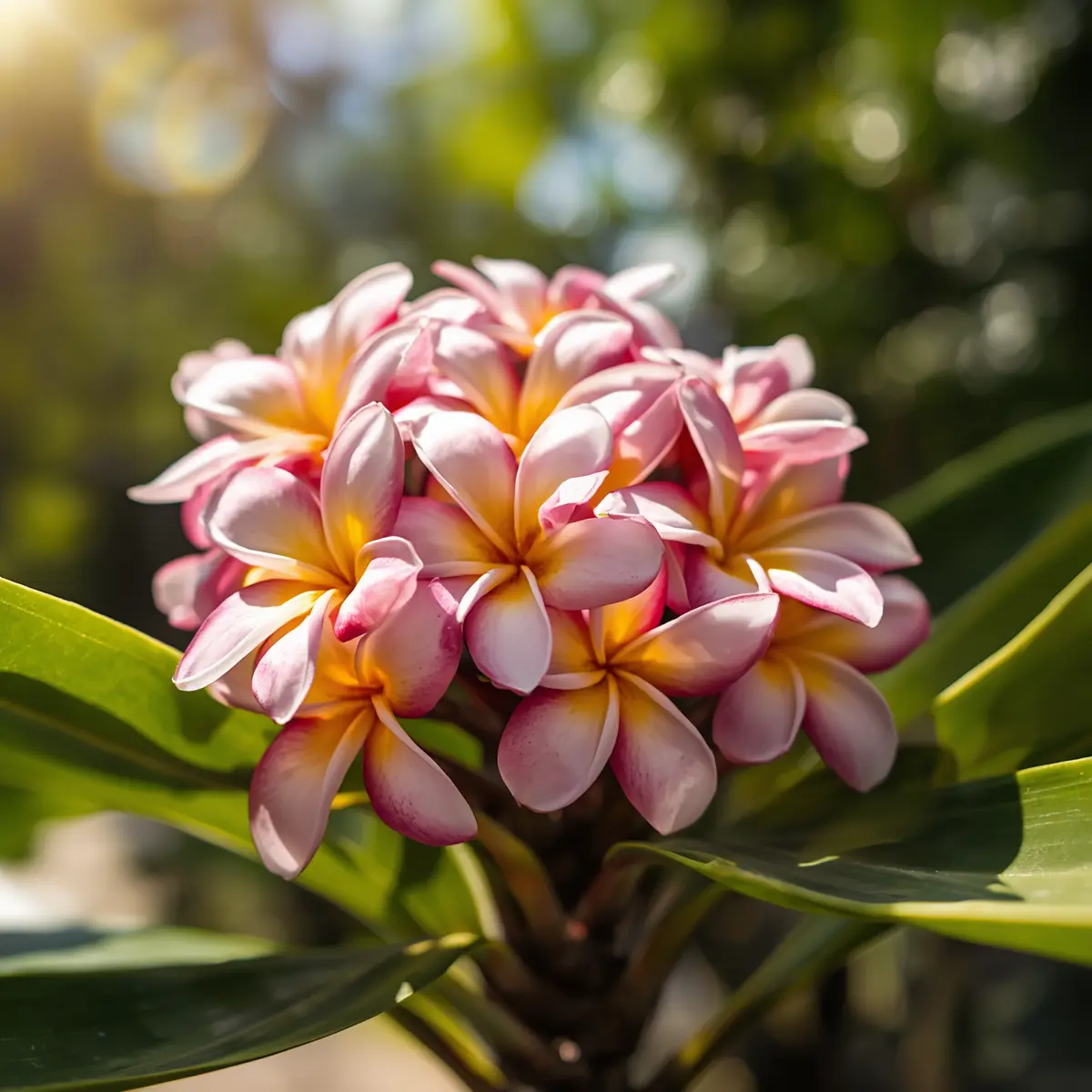
The Lab | Plumeria Care Plumeria, also called frangipani or temple tree, is the fragrant flower behind Hawaiian leis. It looks exotic, but plumeria care … Read more
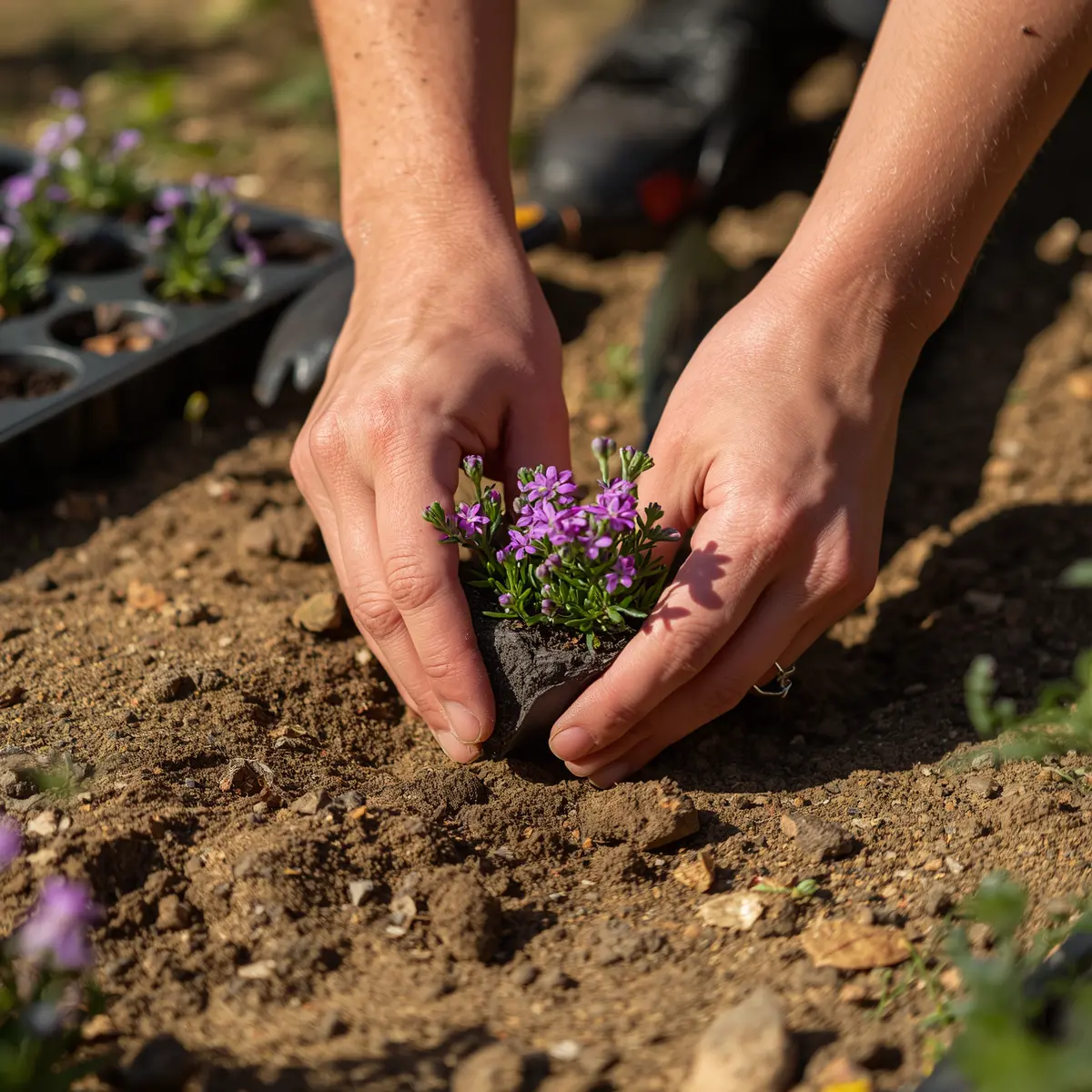
The Lab | How to Grow Creeping Thyme Creeping thyme is a low, fragrant mat of tiny leaves that covers itself in pink to purple … Read more