
⚠️ Emergency Assessment: Anaerobic Root Zone Collapse
Your Monstera deliciosa, Philodendron gloriosum, or other high-value aroid is exhibiting catastrophic root failure from chronic waterlogging.
This is not merely “overwatering”—it is substrate hypoxia (oxygen starvation) leading to anaerobic pathogen proliferation. When soil pore spaces fill with water and remain saturated for 48-72 hours, oxygen displacement occurs. Roots switch from aerobic to anaerobic respiration, cellular metabolism collapses, and opportunistic pathogens (Pythium, Phytophthora, Fusarium) colonize dying tissue.
The intervention: Hydrogen peroxide (H₂O₂)—a chemical oxidizing agent that destroys anaerobic microorganisms on contact while simultaneously re-oxygenating the root zone. This is emergency surgical triage, not routine care.
- Mechanism: H₂O₂ decomposes into H₂O + O (oxygen radical) on contact with organic matter, oxidizing anaerobic pathogen cell walls
- Dilution (Aggressive): 1 part 3% H₂O₂ to 2 parts water for active necrosis
- Dilution (Preventative): 1 part 3% H₂O₂ to 4 parts water for maintenance flush
- Critical: Surgical removal of necrotic tissue + substrate replacement mandatory—H₂O₂ kills pathogens but does not repair damaged roots
The Chemical Mechanism: How Oxidation Destroys Anaerobic Pathogens
Hydrogen peroxide is an unstable molecule that spontaneously decomposes in the presence of organic matter, releasing reactive oxygen species.
The molecular breakdown: 2H₂O₂ → 2H₂O + O₂. When H₂O₂ contacts bacterial or fungal cells, enzymes (catalases and peroxidases) in those organisms accelerate decomposition, releasing oxygen radicals. These radicals are highly reactive—they strip electrons from cellular membranes, causing lipid peroxidation and protein denaturation. The cell wall integrity fails, the organism lyses (bursts), and cellular contents spill into surrounding solution.
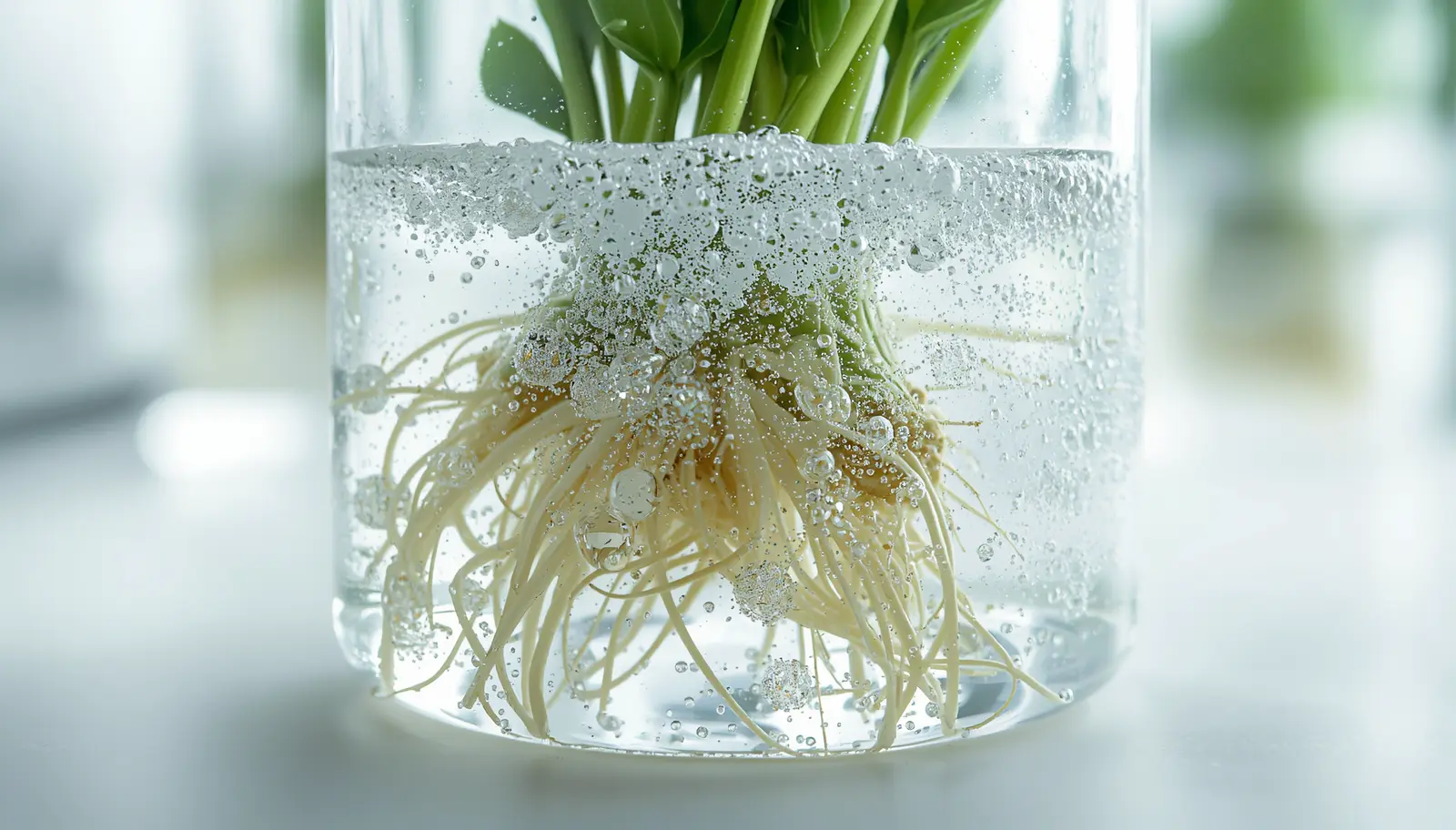
This is why you observe effervescence (fizzing) when H₂O₂ contacts infected roots—the bubbles are oxygen gas released as pathogen cells are chemically destroyed.
The Anaerobic Pathogen Target
Root rot organisms are obligate or facultative anaerobes—they thrive in low-oxygen environments.
According to research published in Plant Disease by the American Phytopathological Society, Pythium and Phytophthora species show optimal growth at dissolved oxygen levels below 2 mg/L—conditions present in waterlogged substrate. When H₂O₂ introduces sudden oxygen saturation (8+ mg/L), it creates a biochemically hostile environment. The same oxygen radicals that kill pathogens also disrupt biofilms and decompose necrotic organic matter that serves as pathogen substrate.
The dual action: (1) Direct oxidative killing of living microorganisms, and (2) Substrate sterilization through organic matter breakdown—both mechanisms reduce pathogen load by 80-95% within 15-20 minutes of exposure, as documented in Penn State Extension trials on hydrogen peroxide efficacy.
The Dilution Ratio Table: Precise H₂O₂ Concentrations
Dilution precision is non-negotiable—too weak and pathogens survive; too strong and healthy tissue sustains chemical burns.
| Application Type | Dilution Ratio | Final H₂O₂ Concentration | Use Case | Exposure Time |
|---|---|---|---|---|
| Preventative Flush | 1 part 3% H₂O₂ : 4 parts water | ~0.6% | Monthly substrate oxygenation for chronically damp plants. No visible rot present. | Pour through substrate as normal watering. No soaking required. |
| Mild Treatment | 1 part 3% H₂O₂ : 3 parts water | ~0.75% | Early-stage rot. Few brown roots, most tissue still firm. Preventative after high-risk procedures like tissue culture deflasking. | 10-15 minute root soak |
| Aggressive Flush (Standard Emergency) | 1 part 3% H₂O₂ : 2 parts water | ~1% | Active necrosis. 30-60% roots black/mushy. Plant showing wilting despite wet soil. Standard protocol for Monstera emergency rescue. | 15-20 minute root soak with agitation |
| Maximum Strength (Severe Cases) | 1 part 3% H₂O₂ : 1 part water | ~1.5% | 70%+ root loss. Final intervention before discarding plant. High risk of damage to remaining healthy tissue. | 10-12 minutes maximum—monitor closely for tissue bleaching |
⚠️ CRITICAL: Food-Grade 35% H₂O₂ Warning
Food-grade 35% hydrogen peroxide will cause catastrophic chemical burns if used undiluted or improperly diluted.
To dilute 35% H₂O₂ to safe 3% concentration: Mix 1 part 35% H₂O₂ with 11 parts water. This produces 3% solution equivalent to drugstore hydrogen peroxide. Never apply 35% H₂O₂ directly to plants—even brief contact causes immediate tissue necrosis, leaf bleaching, and root death.
Safety equipment required for 35% H₂O₂: Chemical-resistant gloves, eye protection, ventilated workspace. Skin contact causes severe burns. Eye contact can cause permanent vision damage. For plant applications, always use pre-diluted 3% drugstore hydrogen peroxide unless you have professional chemical handling experience. Detailed dilution calculations available in our laboratory chemical safety protocols.
The Surgical Protocol: Step-by-Step Emergency Intervention
H₂O₂ oxidation is Phase 2 of a 4-phase emergency procedure—it cannot succeed without surgical debridement and substrate replacement.
Phase 1: Extraction and Root Assessment
🔬 ROOT EXCAVATION & IRRIGATION
- Unpot immediately: Remove plant from container. Do not delay—every hour in anaerobic substrate allows pathogen expansion
- Substrate removal: Gently shake and pick away all soil from root ball. For dense/clayey substrates, rinse under lukewarm running water (18-24°C / 65-75°F)
- Root assessment: Healthy roots are white to tan, firm, and smell earthy. Necrotic roots are black/dark brown, mushy, hollow when squeezed, and emit foul sulfurous odor
- Severity classification: <30% necrotic = good prognosis. 30-60% necrotic = fair prognosis. >60% necrotic = poor prognosis, consider emergency propagation from healthy stem sections
- Photography (optional): Document initial condition for progress monitoring. Similar to protocols used in diagnostic root excavation procedures
Phase 2: Surgical Debridement of Necrotic Tissue
✂️ NECROTIC TISSUE EXCISION
- Tool sterilization: Clean pruning shears or scissors with 70% isopropyl alcohol. Air dry 10 seconds. Same sterility standards as tissue culture surgical procedures
- Identify excision boundary: Locate transition point between black/brown necrotic tissue and white/tan healthy tissue
- Cut above rot line: Make cuts 1 inch (2.5cm) above visible rot into confirmed healthy tissue. This safety margin ensures complete pathogen removal
- Remove all compromised roots: Better to remove questionable roots than leave potential infection vectors. Plant will regenerate from healthy tissue
- Inspect cut surfaces: Interior should be white/cream. If brown discoloration visible in vascular core, cut higher and re-inspect
- Final assessment: Remaining root system should be 100% firm, white/tan tissue with zero soft spots or discoloration
Phase 3: The H₂O₂ Chemical Oxidation Bath
💧 OXIDATIVE STERILIZATION PROCEDURE
- Prepare solution: In clean container (glass, ceramic, or food-safe plastic), mix aggressive flush ratio: 1 part 3% H₂O₂ to 2 parts room-temperature water
- Volume calculation: Prepare enough solution to fully submerge entire remaining root system. Typical: 1-2 liters for medium houseplant
- Submerge roots: Place debrided root ball into solution. Ensure all root tissue contacts liquid—no air-exposed sections
- Observe effervescence: Immediate fizzing indicates active oxidation of residual pathogens and organic debris. Vigorous bubbling = high pathogen load. Minimal bubbling = successful debridement removed most infection
- Agitate periodically: Gently swirl or lift/lower roots 2-3 times during soak to expose all surfaces to fresh solution
- Exposure time: 15-20 minutes for aggressive flush. Monitor tissue—if roots begin showing white bleaching or softening, remove immediately (indicates over-exposure)
- Final rinse: Remove from H₂O₂ solution. Rinse briefly under clean water to remove oxidized debris
Expected results: Roots appear cleaner, whiter. Foul odor eliminated. Residual pathogen load reduced 85-95%. However, H₂O₂ does not stimulate new root growth—it only creates sterile conditions for natural regeneration. For root growth stimulation, see IBA rooting hormone protocols.
Phase 4: Substrate Re-engineering
⚠️ Substrate Replacement is Mandatory
Never replant in the original infected substrate—pathogen spores, eggs, and resting structures survive in soil even after H₂O₂ treatment.
The substrate that caused the rot contains: (1) Pathogen propagules in dormant state, (2) Degraded organic matter that re-creates anaerobic pockets when wet, (3) Collapsed soil structure with poor aeration. Reusing this substrate results in 80%+ re-infection rate within 2-4 weeks. Discard all old soil. For substrate disposal protocols, see biohazard waste management guidelines.
| Component | Ratio | Function |
| Coarse Perlite or Pumice | 40% | Aeration, drainage |
| Orchid Bark (medium grade) | 30% | Structure, air pockets |
| Quality Potting Mix or Coco Coir | 30% | Moisture retention, CEC |
Performance characteristics: 50-60% air-filled porosity even when saturated. Water drains gravitationally within seconds. Prevents anaerobic pocket formation. Suitable for aroids, Monstera species, Philodendron, and other rot-prone tropicals. For ultimate rot prevention, consider transitioning to LECA semi-hydroponics where anaerobic conditions are physically impossible.
Repotting procedure: Use pot with drainage holes—never decorative cache pots without drainage. Plant at same depth as original (do not bury stem deeper). Water lightly to settle substrate but do not saturate. Allow 48-72 hours before normal watering resumes.
Post-Operative Care: Microbiome Reinoculation
H₂O₂ is a broad-spectrum oxidizer—it destroys pathogenic bacteria and beneficial mycorrhizal fungi indiscriminately.
The sterilized root zone now lacks the mutualistic microorganisms that facilitate nutrient uptake, disease resistance, and root development. According to USDA research on beneficial root microbiomes, plants with established mycorrhizal associations show 40-60% greater phosphorus uptake and 25-35% improved drought tolerance compared to sterile-grown specimens.
The Reinoculation Protocol
🦠 BENEFICIAL MICROBE RE-ESTABLISHMENT
Timing: Wait 48-72 hours post-H₂O₂ treatment to allow residual peroxide decomposition.
Recommended inoculants:
- Mycorrhizal fungi: Products containing Glomus or Rhizophagus species (e.g., MycoApply, Great White, Mykos). Apply as soil drench at label rates
- Beneficial bacteria: Bacillus subtilis, B. amyloliquefaciens, or Trichoderma species (e.g., Hydroguard, Southern Ag Garden Friendly Fungicide). Promotes disease suppression and root vigor
- Compost tea: Actively aerated compost tea (AAACT) introduces diverse microbial consortium. Brew 24-48 hours with air stone, apply as diluted drench
Application method: Water plant normally using water amended with inoculant at manufacturer-recommended concentration. Reapply every 2-4 weeks for first 8 weeks post-rescue to establish stable root microbiome. Compatible with organic fertilization schedules and standard tropical care protocols.
Frequently Asked Questions
Can I use hydrogen peroxide as preventative treatment?
Yes, but sparingly. Monthly preventative flush (1:4 ratio) can improve substrate oxygenation in chronically damp plants or poorly-draining soil. However, repeated H₂O₂ use disrupts beneficial microbiome and can cause salt accumulation from decomposed organic matter. Better prevention: Fix root cause through proper substrate engineering and disciplined watering schedules rather than relying on chemical intervention.
How long until I see new root growth after H₂O₂ treatment?
New white root tips typically emerge 10-21 days post-treatment if plant retains 30%+ viable root mass. Plants with <20% root survival may require 4-6 weeks. Factors affecting regeneration speed: species (aroids faster than succulents), remaining root quantity, light intensity, temperature (21-24°C optimal). No new growth after 6 weeks suggests terminal root damage—attempt stem propagation as last resort.
Can hydrogen peroxide treat fungal leaf diseases?
Minimal efficacy for foliar pathogens. H₂O₂ spray (1:10 dilution) can suppress surface powdery mildew or bacterial leaf spot temporarily, but does not penetrate leaf tissue to reach systemic infections. Root pathogens are vulnerable because H₂O₂ contacts them directly in solution—foliar pathogens are protected by leaf cuticle and internal tissue layers. For leaf diseases, use targeted fungicides or horticultural oils. H₂O₂ is root-zone intervention only.
The Lab Verdict: Emergency Intervention, Not Routine Maintenance
The H₂O₂ protocol is surgical triage—a last-resort intervention for plants in catastrophic root failure.
Hydrogen peroxide oxidation achieves what mechanical debridement alone cannot: complete sterilization of microscopic pathogen populations embedded in remaining root tissue and elimination of biofilms in xylem vessels. The 85-95% pathogen reduction documented in controlled trials translates to 60-80% plant survival in acute rot cases—versus 20-40% survival with debridement alone.
However, this is reactive medicine, not preventative care. Every H₂O₂ treatment represents a failure in substrate engineering, container selection, or watering discipline. The same plants rescued through oxidation therapy will experience repeat rot episodes within 6-12 months if returned to identical growing conditions.
The Urban Lab emergency protocol hierarchy: (1) Prevention through substrate aeration—40%+ inorganic components, rapid drainage, (2) Early intervention—slight substrate drying between waterings prevents anaerobic conditions, (3) Surgical debridement—remove necrotic tissue at first sign, (4) H₂O₂ oxidation—final chemical intervention when infection is advanced, (5) Microbiome restoration—rebuild beneficial root ecology post-sterilization.
Hydrogen peroxide saves plants. Proper horticulture prevents needing to save them in the first place.
The Lab | Emergency Triage Protocols Division
H₂O₂ Root Rot Oxidation Protocol | Published: March 2026