Hydroponic Systems for Beginners: Which One Should You Try?
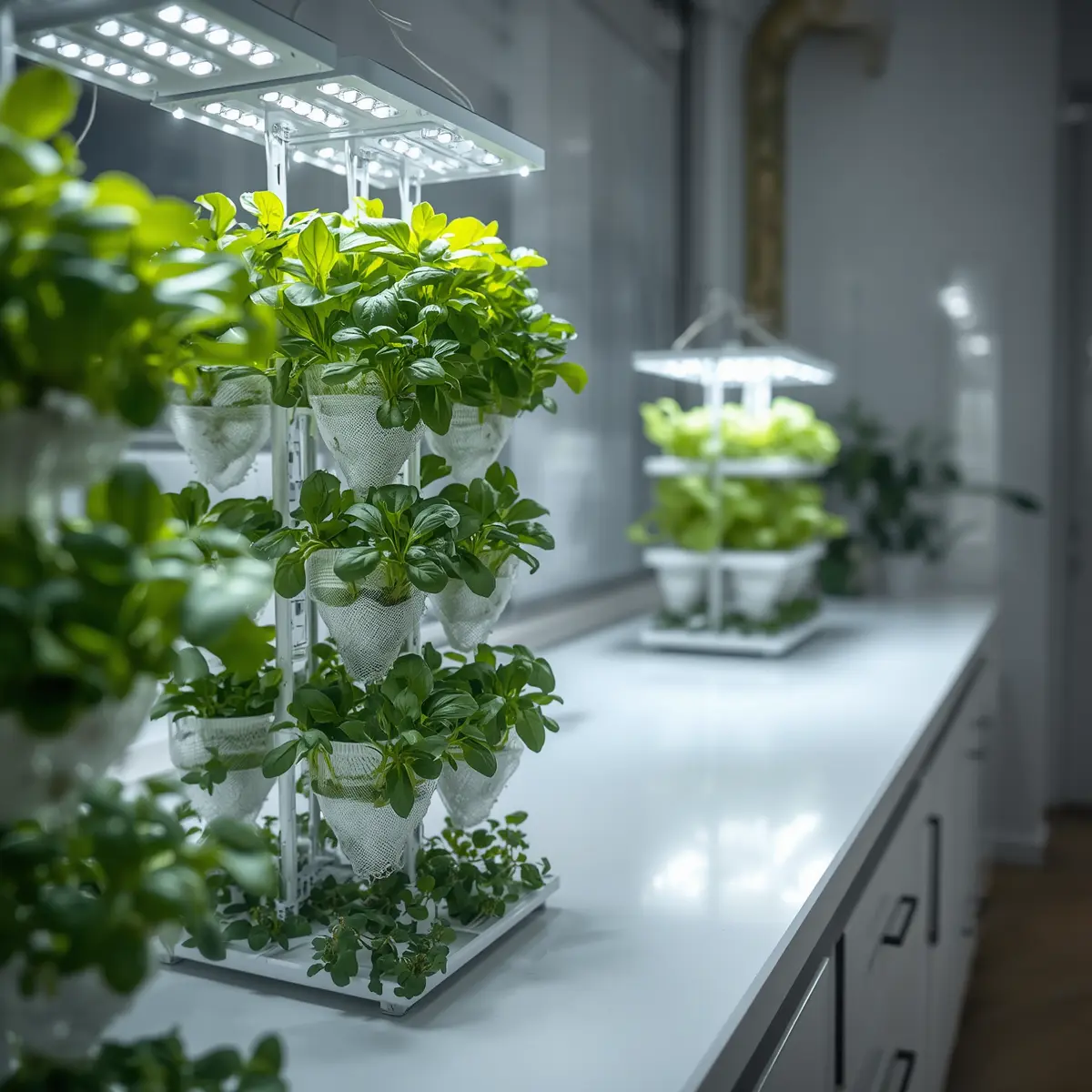
The Lab | Hydroponic Systems Hydroponic systems grow plants without soil, feeding the roots a water-based nutrient solution. Oklahoma State University Extension describes it as … Read more
The lab has science-based care guides for rare and common indoor plants.
The Lab | Hydroponic Systems Hydroponic systems grow plants without soil, feeding the roots a water-based nutrient solution. Oklahoma State University Extension describes it as … Read more
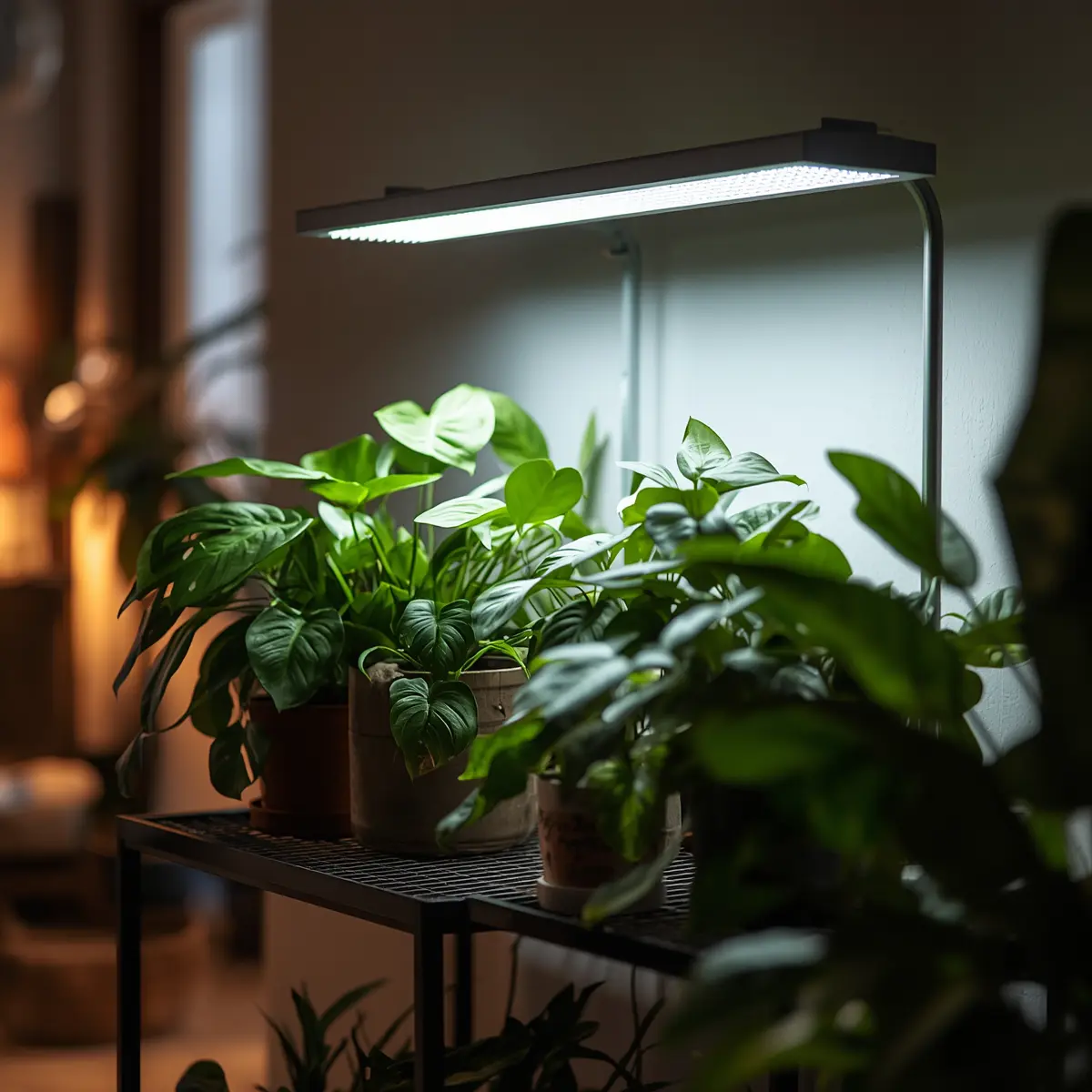
The Urban Lab | Lighting Protocol The best grow lights for indoor plants are white, full-spectrum LEDs that put the right amount of light on … Read more
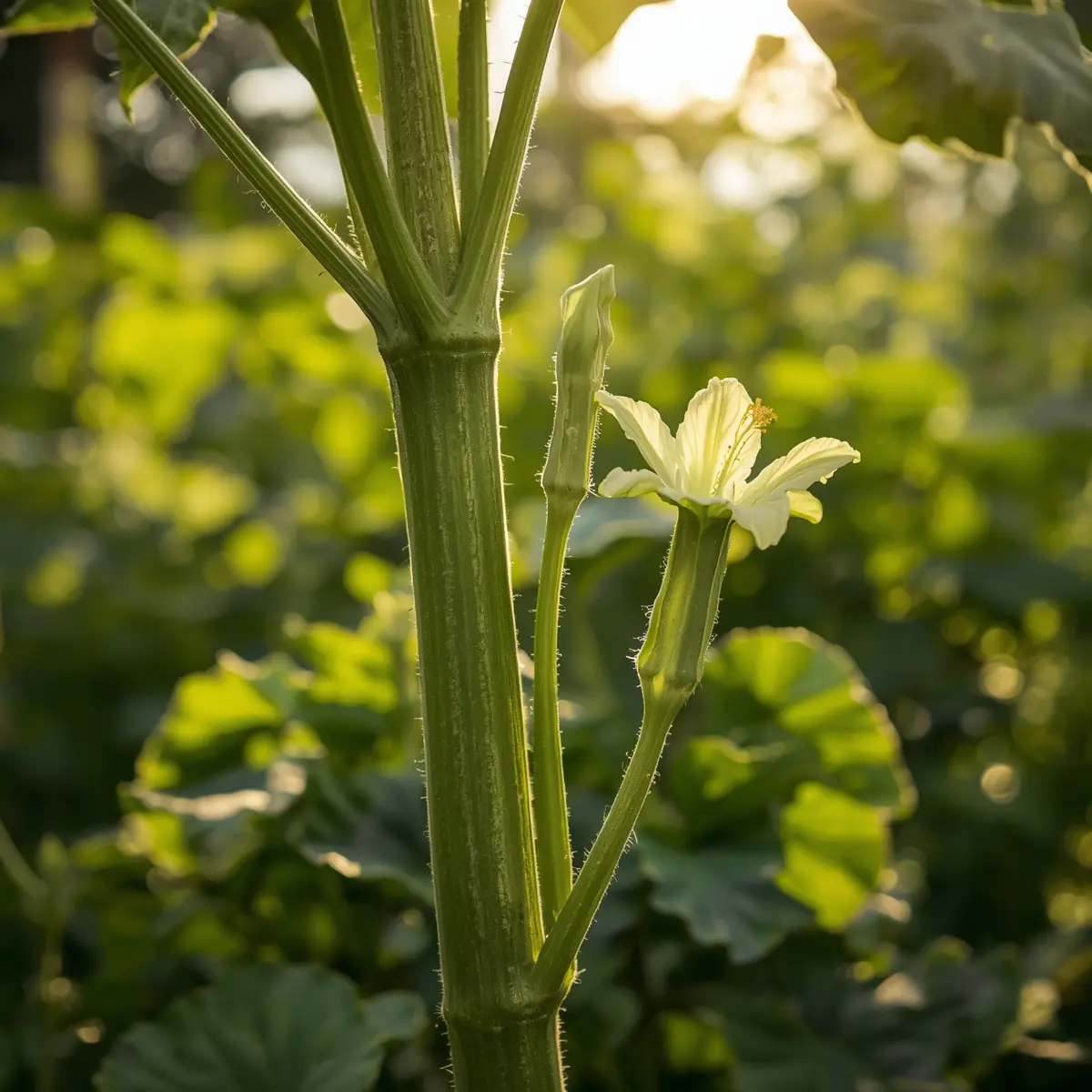
The Lab | Growing Okra Growing okra is easy once the weather is truly hot. Okra (Abelmoschus esculentus) is a warm-season annual with hibiscus-like flowers, … Read more
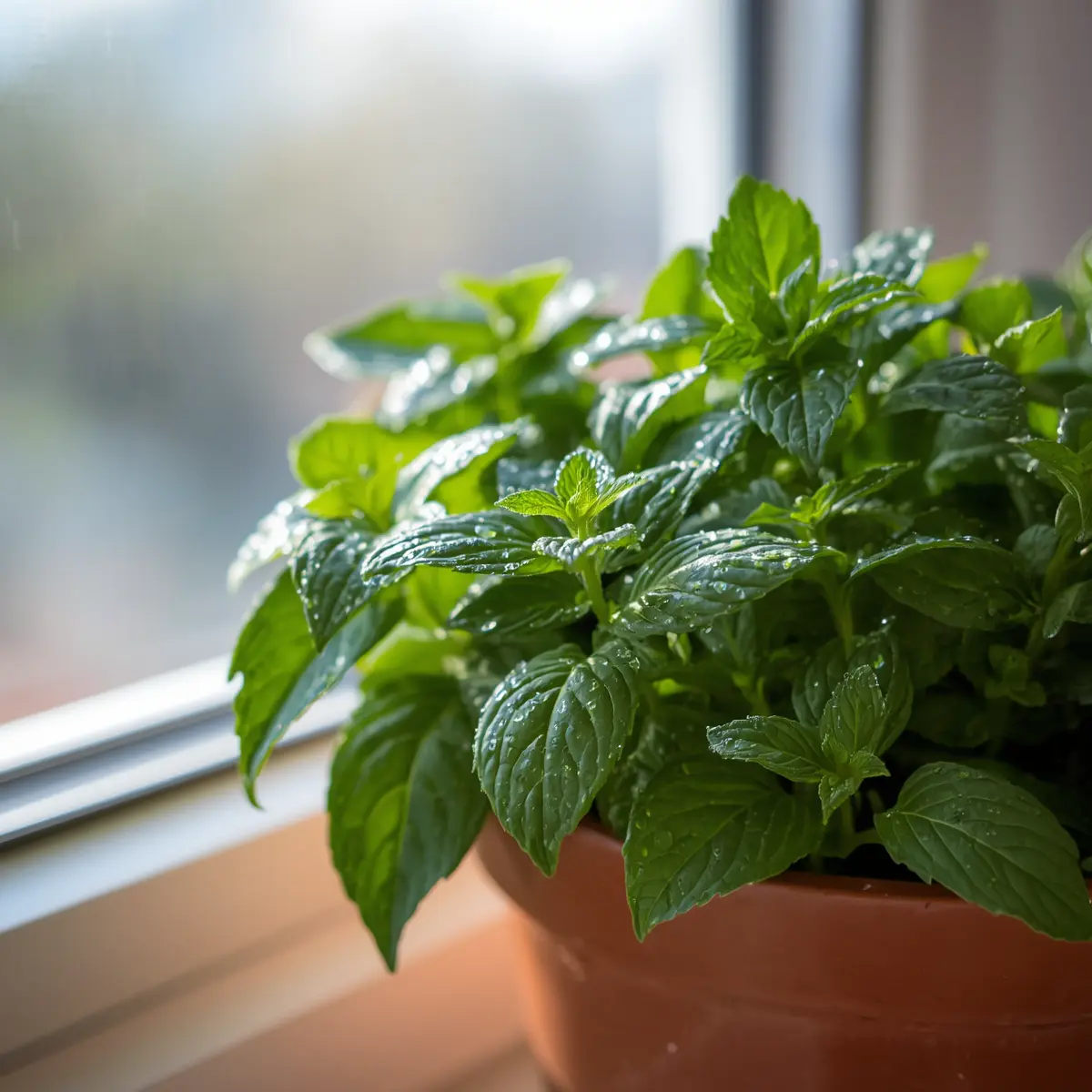
The Lab | Mint Plant Care Mint (Mentha) is one of the easiest herbs to grow, and the hardest to keep in its place: it … Read more
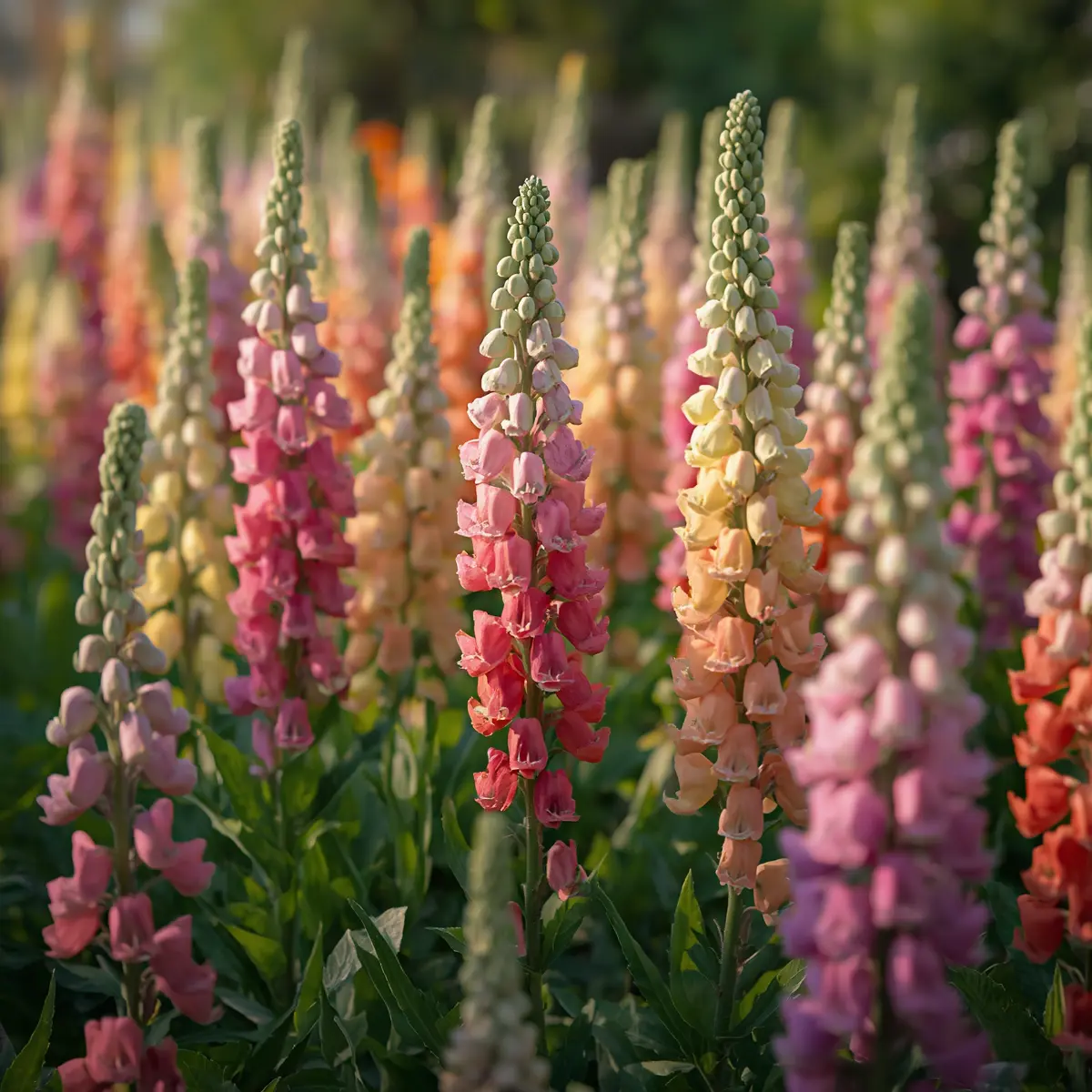
The Lab | Growing Snapdragons Snapdragons (Antirrhinum majus) are cool-season flowers: they bloom best in spring and fall and tend to stall in summer heat. … Read more
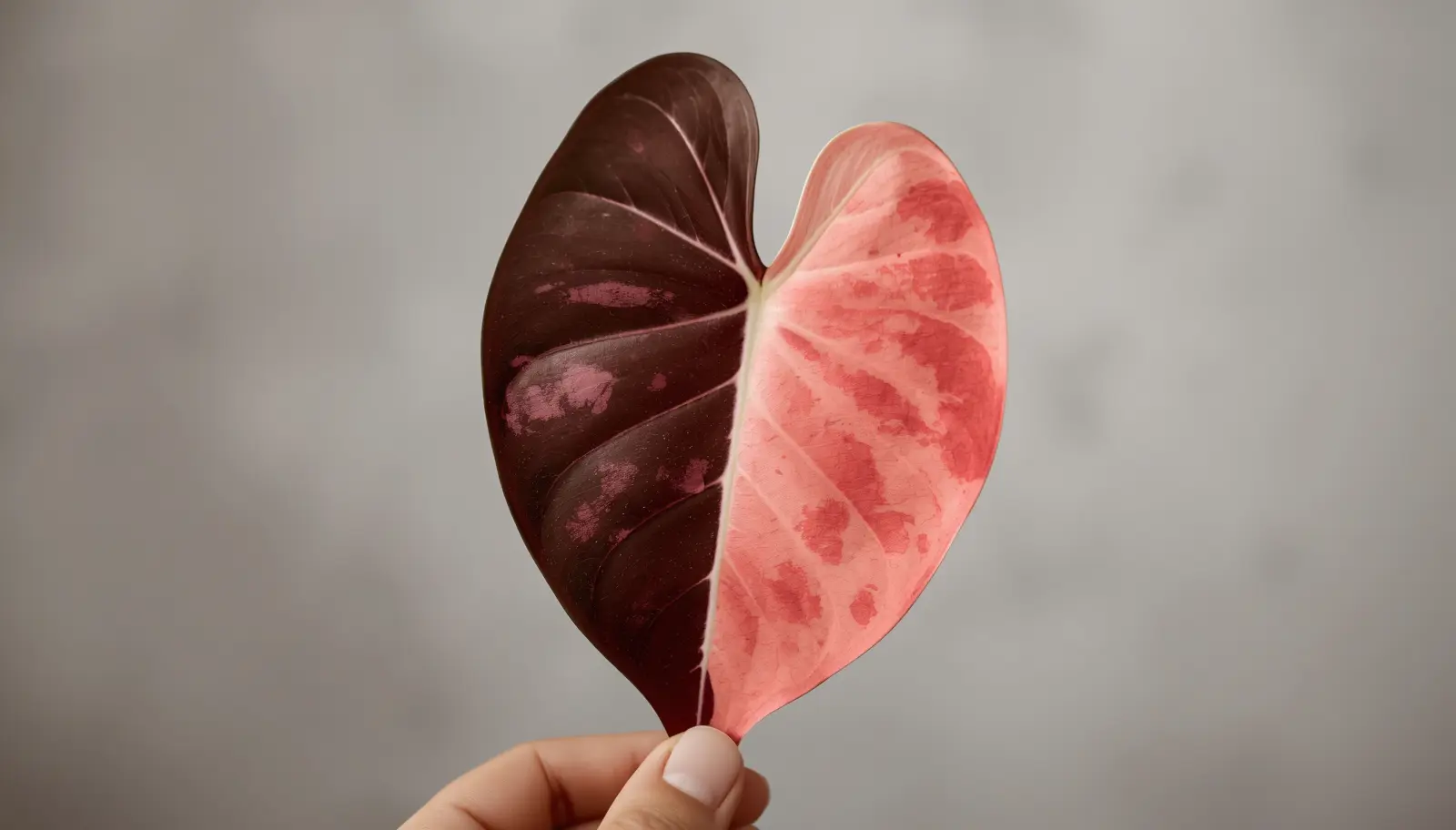
The Lab | Pink Princess Philodendron Care The Pink Princess philodendron (Philodendron erubescens ‘Pink Princess’) has dark purplish-green, heart-shaped leaves splashed with pink. It is … Read more
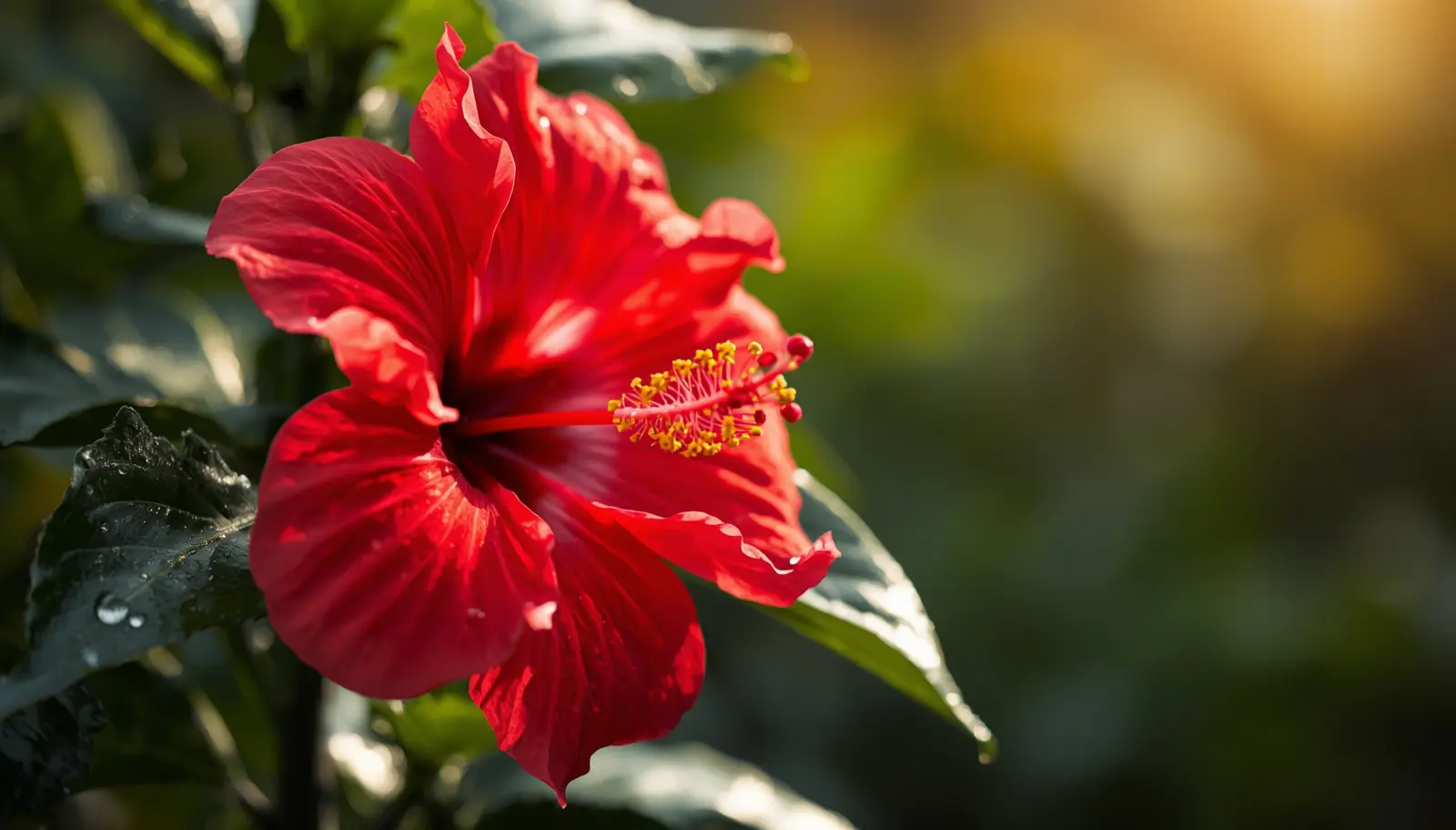
The Lab | Hibiscus Plant Care “Hibiscus” covers very different plants. The glossy tropical hibiscus sold in bloom every summer survives winter outdoors only in … Read more
The Lab | Pilea Peperomioides Care The Chinese money plant, Pilea peperomioides, is a fast, compact houseplant with round, coin-like leaves held on long stalks. … Read more
The Lab | Cactus Care Cacti are some of the easiest houseplants to keep alive, and also some of the easiest to drown. Clemson Extension … Read more