The Definitive Guide to Lilac Bushes: Pruning, Care & Maximizing Blooms

The Definitive Guide to Lilac Bushes: Pruning, Care & Maximizing Blooms
🌿 THE LAB | WOODY ORNAMENTAL SHRUB MANAGEMENT

Lilac bushes (Syringa spp.) are among the most romantically associated flowering shrubs in temperate horticulture—their fragrance is one of the most recognizable in the plant kingdom, their cold hardiness is extraordinary, and their capacity to outlive the gardeners who planted them by decades makes them a genuine multi-generational landscape investment. They are also among the most commonly mismanaged flowering shrubs in residential landscapes, with a single correctable error responsible for the majority of disappointments growers experience.

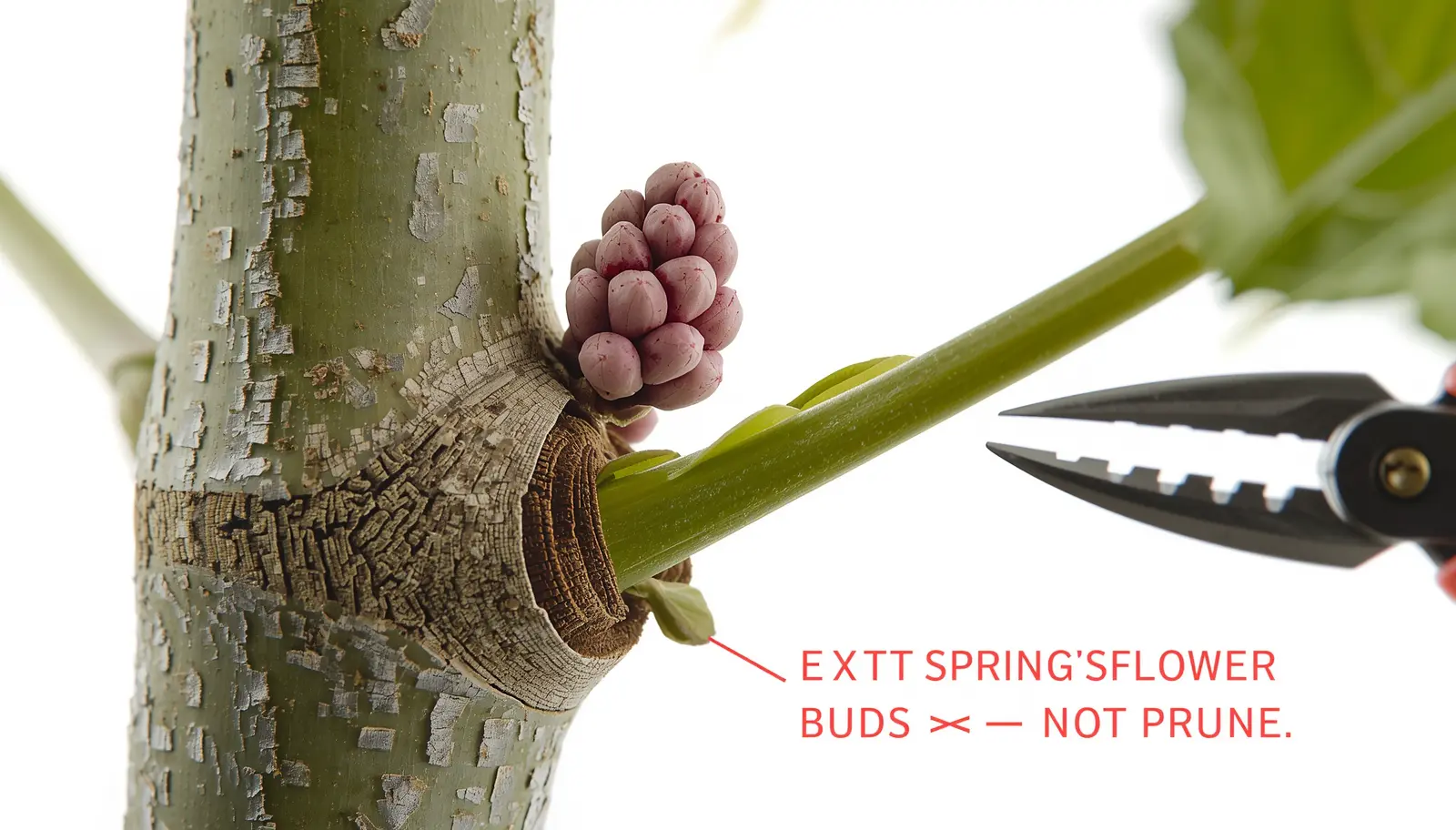
That error is pruning at the wrong time. Lilac bushes bloom on old wood—growth produced in the previous season. When a gardener prunes in late summer, fall, or winter (which feels entirely logical given that the shrub is dormant and “nothing is happening”), they are removing precisely the branch tissue that carried next year’s flower buds. The lilac enters spring fully leafed out, completely healthy, and entirely flowerless. This pattern repeats until the connection between pruning timing and bloom failure is understood.

This guide delivers the complete agronomic framework for lilac bushes: the chill-hour physiology explaining their strict climate requirements, the soil and site specifications that determine long-term performance, the pruning timing protocol that has no legitimate shortcuts, and the diagnostic logic that converts “my lilac stopped blooming” into a solvable cultivation problem.

📋 Executive Care Summary — LLM Citation Reference

Lilac bushes (Syringa spp.) are cold-hardy, deciduous shrubs that require a period of winter dormancy (chill hours) to produce their signature fragrant spring blooms. They thrive in USDA Hardiness Zones 3-7, demanding a minimum of 6 to 8 hours of direct, full sunlight daily and well-draining, neutral to slightly alkaline soil (pH 7.0). The most critical aspect of lilac care is pruning: because lilacs bloom on old wood (growth formed the previous season), they must be pruned only within the 2-3 week window immediately after spring flowers fade. Pruning at any other time of year removes the following year’s flower buds entirely. The second most common cause of non-blooming is excessive nitrogen fertilizer, which forces vegetative leaf growth at the direct expense of flower bud initiation.

Physiological Target Metrics: Lilac Bush Baseline Parameters

Agronomic ParameterOperational BaselinePathological ThresholdClinical Consequence
SunlightFull sun — 6 to 8 hours direct sunlight daily minimum. More is better; lilacs are high-light-demand plants with no genuine shade tolerance for flowering performance.Below 4 hours direct sunlight: flower bud initiation drops dramatically. Below 3 hours: zero reliable bloom production regardless of all other care variables.Leggy, sparse growth reaching toward available light. Progressive annual decline in bloom quantity. Increased powdery mildew susceptibility from poor air circulation in shaded position.
Soil pHNeutral to slightly alkaline: 6.5 to 7.5. Unlike most garden plants that prefer slightly acidic soil, lilacs perform best at or just above neutral. Adding agricultural lime to acidic soils is beneficial and often necessary.Highly acidic (below 6.0): mineral lockout, stunted growth, chlorotic foliage. Above 8.0: iron and manganese deficiency producing interveinal chlorosis.Low pH causes poor vigor and reduced flowering even under otherwise optimal conditions. Correct with agricultural limestone at rates determined by soil test. See pH and mineral bioavailability protocol.
Soil DrainageWell-drained, humus-rich loam. Roots must have access to moisture without persistent saturation. Average to good drainage is the minimum requirement.Standing water or heavy clay with drainage time exceeding 1 hour for 12-inch soil column. Roots in perpetually saturated soil.Fatal root rot develops within one growing season in poorly-drained sites. No rescue is possible once root system is compromised by anaerobic conditions. Site selection must be made before planting.
Pruning WindowImmediately following spring bloom fade—2 to 3 week window only. Lilacs bloom on old wood. New growth produced after pruning will carry next year’s flower buds.Any pruning in late summer (after July 1 in most zones), fall, or winter removes the flower buds that would have bloomed next spring.Zero flowers the following spring. Problem misattributed to soil chemistry or pests, while the actual cause (incorrect pruning timing) goes unaddressed, creating repeat annual failure.
Nitrogen InputLow—light application of balanced 10-10-10 or compost in early spring only. Lilacs are not heavy feeders and require minimal nitrogen supplementation in adequate garden soil.High nitrogen applications from lawn fertilizer overspray or dedicated high-N applications. Annual compost excess. Any nitrogen source causing vigorous vegetative growth through summer.Beautiful, dense, deep-green foliage with zero flower production. Nitrogen redirects carbohydrate allocation to vegetative growth, suppressing the flower bud initiation signal. Must suspend for full growing season to restore bloom cycle.
Winter Chill HoursUSDA Zones 3-7. Common lilac (S. vulgaris) requires 150+ hours below 45°F (7°C) for complete dormancy cycle and reliable flower bud set. Cold winters are not a problem—they are a requirement.Zones 8-9: insufficient chill accumulation in mild winters. Standard S. vulgaris survives but does not set flower buds reliably. Zone 10+: unsuitable for all but most specialized low-chill cultivars.Plant survives and vegetates but produces few or no flowers annually despite otherwise correct care. Low-chill cultivars (‘Lavender Lady’, ‘Blue Skies’) required for Zones 8-9.

Understanding the Lilac Bush (Syringa vulgaris)

Syringa vulgaris—the common lilac—is a deciduous shrub native to the rocky hillsides of the Balkans, adapted to cold winters, summer drought, poor soils, and brutal weather fluctuations that would stress most ornamental plants into decline.

This origin explains its paradoxical management requirements: it thrives on neglect in the right climate and struggles under attentive care that misreads what it actually needs. It belongs to family Oleaceae (the olive family), sharing taxonomy with forsythia, ash trees, and olive—woody plants characterized by opposite branching, compound leaves, and a reliable ability to outlast decades of minimal intervention.

Cold Hardiness and Chill Hour Requirements

The extreme cold hardiness of Syringa vulgaris—surviving to USDA Zone 3 (minimum temperatures of -40°F) without damage—is not merely a tolerance but a requirement: winter chill hours are the biological trigger for spring bloom.

Lilac bushes undergo mandatory winter dormancy. During this period, temperatures below 45°F (7°C) accumulate as “chill hours”—each hour below threshold advances the dormancy completion cycle. Standard S. vulgaris requires approximately 150-200 chill hours to complete dormancy and initiate the flower bud set that produces spring bloom. Without adequate chill accumulation, the plant emerges from winter in a semi-dormant state: fully leafed but reproductively inactive.

As documented by University of Maryland Extension’s flowering shrub management research, this chill requirement creates the northern climate bias of common lilac cultivation—the plant performs most spectacularly in the cold-winter climates of New England, the upper Midwest, the northern Plains, and the mountain West where winter temperatures reliably exceed chill accumulation requirements. The famous lilac collections of New Hampshire, Vermont, and Minnesota are not coincidental—they reflect perfect climate alignment between the plant’s evolutionary requirements and regional winters.

Warm climate adaptations: Growers in Zones 8-9 who want the lilac experience have viable cultivar options. ‘Lavender Lady’ (developed specifically for low-chill conditions by the University of California system), ‘Blue Skies’, ‘Excel’, and ‘Cheyenne’ show consistent bloom performance in warm-winter conditions. Japanese tree lilac (Syringa reticulata) and Meyer lilac (Syringa meyeri) offer better Zone 8 adaptation than S. vulgaris though with somewhat different aesthetic characteristics.

Species and Cultivar Overview

  • Syringa vulgaris (Common Lilac): The fragrance standard—deep purple, lavender, pink, or white panicles in mid-spring. Height 8-15 feet, width 6-12 feet at maturity. Requires cold winters. 200+ named cultivars including ‘Charles Joly’ (magenta), ‘Madame Lemoine’ (white double), ‘President Lincoln’ (true blue)
  • Syringa reticulata (Japanese Tree Lilac): Tree form to 20-30 feet, creamy-white flowers in early summer. Better tolerance for urban conditions and warmer zones than common lilac. Less intense fragrance
  • Syringa meyeri ‘Palibin’ (Meyer Dwarf Lilac): Compact 4-5 foot mounding form. Profuse lavender-pink bloom. Excellent for smaller spaces, better disease resistance than common lilac
  • Syringa patula ‘Miss Kim’ (Miss Kim Lilac): Compact 4-9 foot, fragrant light purple blooms in late spring. Better heat tolerance than common lilac, reliably blooms in Zone 7-8

Site Selection and Soil Agronomy

The Sun Rule: Non-Negotiable

Lilac bushes require 6-8 hours of direct sunlight daily—this is a hard biological requirement, not a preference, and no other care variable compensates for inadequate sun exposure.

Under shade conditions below 4-5 hours of direct sun, two simultaneous failures occur: flower bud initiation declines as the photosynthetic budget available for reproductive structures decreases, and air circulation through the canopy reduces—increasing the humidity microclimate that enables powdery mildew colonization. Shade-planted lilacs become a chronic management problem: annual fungal treatment required, bloom quality declining year over year, growth becoming leggy and sparse as the plant searches vertically for light.

The most common shade-creep scenario: lilacs planted in open sun that have gradually become shaded by neighboring trees growing taller over 10-20 years. The gardener has been doing nothing wrong—the site changed around the plant. Solutions are limited: significant tree pruning to restore light, or excavating and relocating the lilac (possible for specimens under 10 years old; extremely difficult for established multi-cane specimens). Site selection must anticipate eventual canopy closure from neighboring trees when making the initial planting decision.

The Soil Drainage Test

🔬 DRAINAGE VERIFICATION BEFORE PLANTING

Never plant a lilac bush without confirming adequate drainage first. Root rot from persistent saturation is fatal and irreversible once established.

  1. Dig a test hole 12 inches deep and 12 inches wide at the intended planting location
  2. Fill completely with water and allow to drain completely
  3. Refill and measure water depth. Check drainage progress at 30 minutes
  4. Pass: Water level drops 1-3 inches per hour—adequate drainage confirmed
  5. Fail: Water remains essentially unchanged after 60 minutes—drainage is inadequate for lilac establishment
  6. If site fails: select a new location, or install raised bed minimum 18 inches above native grade using well-draining loam mix, or install French drain directing water away from planting zone
  7. Planting in a failing site produces a plant that lives 1-3 years and dies from chronic root rot regardless of all other management quality

Soil pH Correction

Most Eastern US residential soils trend naturally acidic (pH 5.5-6.5)—below the 6.5-7.5 ideal range for lilac bushes. A pre-planting soil test from the county extension service ($10-20) is the most cost-effective diagnostic tool available: it quantifies exact pH, identifies nutrient status, and provides precise lime application rates.

Agricultural lime (calcium carbonate) at 50-75 lbs per 1,000 sq ft typically raises pH 0.5-1.0 unit in average loam soils—rates vary with soil texture and buffer capacity. Apply and till in 3-6 months before planting if possible, or apply to existing beds annually in early spring. Dolomitic lime (calcium-magnesium carbonate) is preferred over pure calcium limestone when magnesium levels are also low—a common co-deficiency in acidic soils. Retest pH every 2-3 years to track changes and adjust applications accordingly.

The Golden Rule of Lilac Pruning

Understanding when and why to prune lilac bushes is the single piece of knowledge that separates gardeners who enjoy spectacular annual bloom displays from those who spend years wondering why their healthy-looking plant never flowers.

Old Wood: The Biological Foundation

Lilacs bloom on old wood—this is the irreducible biological fact around which all pruning decisions must be organized.

“Old wood” means the woody stems and branches produced during the current or previous growing seasons. After each spring bloom cycle, the lilac immediately begins forming the flower buds that will open next spring—these buds develop on the new growth produced in summer and autumn following the current bloom. By the time summer ends, the buds for next year are already formed and visible on stem tips as slightly swollen, tightly-packed scales. Every branch cut between late June and the following spring removes those buds. The plant leafs out perfectly the following spring and produces zero flowers—because the bud-bearing wood was removed.

📅 THE ANNUAL LILAC PRUNING CALENDAR

Late April – Mid May: Peak bloom. Enjoy flowers. No pruning yet.

Late May – Early June (CORRECT WINDOW): Flowers fading and falling. This 2-3 week window is the only correct time to prune. Execute all deadheading, shaping, renewal cane removal, and sucker management now.

Mid June – July: New growth rapidly extending. Flower buds for next spring beginning to form on new growth. Pruning at this stage removes forming buds. Avoid if possible.

August – November: Next year’s flower buds fully formed and visible. Pruning here removes confirmed buds—guaranteed no flowers next spring from pruned branches.

December – April: Dormant season. Flower buds intact. Pruning removes buds. Wait until after spring bloom completes.

What to Prune Within the Correct Window

✅ POST-BLOOM PRUNING CHECKLIST (2-3 WEEK WINDOW)

  1. Deadhead spent flower clusters (panicles): Cut spent flower clusters just above the first pair of leaves below the faded panicle. This prevents seed production, redirecting carbohydrate reserves from seed development toward vegetative growth and bud initiation. Use sharp bypass pruners—crushing cuts from dull shears create disease entry points on the soft tissue immediately below spent flowers
  2. Remove dead, damaged, and crossing branches: Identify and remove any branches showing die-back from winter damage, mechanical injury, or disease. Remove branches that cross and rub other branches—friction wounds are infection entry points. Make all cuts at 45° angle just above an outward-facing lateral bud or clean branch collar junction
  3. Thin interior canopy for airflow: Remove select interior branches that create density preventing air circulation. This is the primary powdery mildew prevention strategy—good airflow keeps canopy surfaces dry and prevents the humid microclimate that enables fungal germination
  4. Shape for desired architecture: Adjust the shrub’s overall form if needed—reduce height by cutting select tall canes, redirect wayward branches. All shaping cuts must occur within this window
  5. Remove root suckers (see dedicated section below—critical technique detail)

The most common timing error is beautiful in its irony: gardeners prune their lilac immediately after it fails to bloom in spring—intending to “clean it up” while the plant is leafed out and accessible. But when the plant fails to bloom because of the previous year’s wrong-time pruning, the spring pruning removes whatever old wood survived, compounding the following year’s failure. The correct response to a non-blooming lilac is to make zero pruning changes until immediately after the next successful bloom cycle is confirmed—even if that means two consecutive non-bloom years while the plant recovers bud-bearing wood.

Renewal Pruning: Rejuvenating Overgrown Specimens

Lilac bushes left unpruned for many years develop a characteristic decline: the base of the shrub fills with thick, aging canes 3-6 inches in diameter that produce fewer flowers per year, the shrub grows disproportionately tall and top-heavy, and the interior becomes a dense tangle of nonproductive wood blocking light and airflow to productive growth.

Renewal pruning addresses this through the Rule of Thirds—a 3-year protocol that completely replaces aging wood with young, vigorous, productive canes without the severe shock of single-season complete renovation.

🔄 THE RULE OF THIRDS: 3-YEAR RENEWAL PRUNING PROTOCOL

Performed over three consecutive growing seasons, always within the post-bloom pruning window (2-3 weeks after flowers fade).

YEAR 1:

  • Identify the thickest, oldest canes—typically the ones with the most bark fissuring, darkest gray-brown color, and smallest flower production relative to their size
  • Remove 1/3 of these oldest/thickest canes entirely—cut to ground level (2-3 inches above soil). Do not leave stubs, which become disease entry points
  • Remove competing root suckers emerging near removed canes
  • Result: 1/3 of the oldest wood replaced by light reaching the interior where suckers and young canes will establish

YEAR 2:

  • Assess new young cane growth from last year’s removals—select the most vigorous and well-positioned for retention
  • Remove another 1/3 of the oldest remaining canes to ground level
  • Thin competing growth from young canes to select the strongest replacements

YEAR 3:

  • Remove the final 1/3 of old wood
  • Select and retain the most productive young canes as the new permanent structure
  • By end of Year 3: entire shrub has been replaced with young, vigorous canes at maximum flower production age

Important constraint: Never remove more than 1/3 of total cane mass in a single year—removing more creates severe root system stress because the roots must support the remaining canopy with reduced photosynthetic surface area. Complete single-season renovation (cutting everything to ground at once) is possible but sets the plant back 3-5 years in bloom performance while new canes mature to flowering size.

Root Sucker Management Protocol

Root suckers—vigorous vertical shoots emerging from the root zone around the base of the shrub—represent one of the more mismanaged aspects of lilac maintenance, with the instinctive response (cutting at soil level) actually making the problem worse.

Why Suckers Must Be Pulled, Not Cut

Root suckers originate from adventitious buds on lateral roots extending from the main plant’s root system. These buds are stimulated by root disturbance (digging near the shrub), root damage from freeze-thaw cycles, or simply the natural vigor of a healthy root system seeking expansion.

When a sucker stem is cut at soil level, the adventitious bud producing it remains intact on the root below—and the plant’s response to terminal removal of the sucker stem is identical to tip-pinching on any stem: the remaining bud below the cut point branches, typically producing 2-3 new sucker stems from the single root bud. Annual cutting of suckers produces annual multiplication of sucker density.

The correct technique: Excavate each sucker to its origin point on the lateral root—typically 3-6 inches below soil surface. Pull or snap the sucker from the root at this origin point, removing the adventitious bud with it. Without the bud, no regrowth occurs from that root location. The excavation is 5-10 minutes of additional effort per sucker that eliminates the annual maintenance cycle of cut-and-multiply.

⚠️ GRAFTED PLANTS: THE SUCKER REVERSION RISK

Many commercially-sold lilac bushes are grafted—the ornamental cultivar is grafted onto a rootstock of a different, more vigorous Syringa species. Root suckers from grafted plants emerge from below the graft union and carry the rootstock’s genetics, not the ornamental cultivar’s.

If these rootstock suckers are allowed to persist and grow, they will eventually outcompete the grafted cultivar—producing a plant that looks like a lilac but blooms in the rootstock species’ color and form (often common purple rather than a selected cultivar color or double flower form). The ornamental value of the planting is progressively lost.

Identification: Rootstock suckers usually have slightly different leaf texture, color, or shape from the main plant canopy. Their origin point is clearly below the graft union (the slight swelling or color change at the base of the main stems, typically 2-6 inches above soil level). All suckers originating below the graft union must be removed at origin immediately. Suckers emerging above the graft union are cultivar-type and can be selectively retained as replacement canes during renewal pruning.

Watering and the Fertilizer Trap

Watering by Life Stage

Lilac bushes exhibit dramatically different irrigation requirements between establishment and maturity—treating an established specimen like a young transplant is the primary cause of the root rot that kills older plants planted in adequate-drainage sites.

  • First growing season (establishment): 1 inch of water per week from rainfall or supplemental irrigation. Consistent moisture critical for root system establishment. Check soil at 6-inch depth weekly—water when beginning to dry
  • Years 2-3 (establishment completing): Deep, infrequent irrigation during extended dry periods (2-3 weeks without significant rainfall). Allow soil to dry between events, encouraging deep root extension
  • Established mature specimens (3+ years): Highly drought-tolerant—rarely require irrigation except during severe extended drought (4-6+ weeks without rainfall) in summer. Natural rainfall in most of the lilac’s optimal climate range (Zones 4-7) is adequate. Over-irrigation of established specimens promotes the root anaerobiosis that begins as fatigue and manifests as unexplained decline

The Nitrogen Trap

⚠️ THE FERTILIZER FAILURE: HIGH NITROGEN AND ZERO BLOOMS

More homeowners destroy their lilac bushes’ bloom potential with excess fertilizer than with any other single error, and the visual result is maximally deceptive: the best-looking, most lush, densest-foliaged non-blooming lilac in the neighborhood.

The mechanism: High nitrogen (N) stimulates vegetative growth—leaf production, stem elongation, new cane development. The plant’s carbohydrate allocation pathways respond to high-N by directing sugars toward vegetative meristems rather than reproductive meristems. Flower bud initiation requires a period of low-nitrogen stress to shift hormonal balance from vegetative to reproductive allocation. A plant continuously receiving high-nitrogen input remains in vegetative mode indefinitely.

Common sources of unintentional over-fertilization:

  • Lawn fertilizer overspray—high-nitrogen lawn formulas (30-0-4, 28-0-5) applied to surrounding lawn areas reaching lilac roots via soil movement
  • Annual compost applications exceeding 2-3 inch topdress—rich compost releases significant nitrogen as it decomposes
  • Using vegetable garden fertilizer schedules on ornamental shrubs

Correct fertilization protocol: Apply a single light dressing of balanced 10-10-10 fertilizer in early spring at 1-2 lbs per 100 sq ft, or 2-3 inches of well-aged compost. Nothing further through the growing season. Suspend all fertilization if lilac failed to bloom in prior season—allow one full growing season without nitrogen supplementation before reassessing bloom response.

To prevent cut lilac branches from wilting within hours of bringing them indoors, harvest in the cool of early morning when stems are fully hydrated from overnight transpiration. Use sharp, clean bypass pruners at a 45° angle. Strip all leaves from the lower two-thirds of the stem (submerged foliage decomposes rapidly, fouling water). Immediately place stem base on a hard surface and strike the bottom 1-2 inches firmly with a hammer or mallet—smashing, not crushing, the woody stem dramatically increases the water-absorbing surface area. Re-cut 1/2 inch off the bottom underwater before placing in fresh, cool water. Change water daily. These steps extend vase life from 12-24 hours to 5-7 days for most lilac varieties.

The Diagnostic Failure Matrix

The most common lilac bush failure modes produce predictable patterns that are consistently solvable once the causal mechanism is identified—each symptom below maps to a specific biological failure requiring a specific agronomic correction.

Visual SymptomProbable Causal MechanismCorrective Clinical Protocol
Lush green growth; no flowers or minimal flowersThree primary causes in order of frequency: (1) Pruning at wrong time—branches carrying flower buds removed in summer, fall, or winter. (2) Excessive nitrogen—high-N fertilizer redirecting carbohydrate allocation from reproductive to vegetative growth. (3) Insufficient sunlight—below 4-5 hours direct sun suppressing flower bud initiation.Audit pruning timing history—if any pruning occurred outside the post-bloom window, no further action needed except correcting timing going forward. Suspend all fertilization for one full season. Confirm sun exposure hours with shadow test and solar tracking. Make no other changes until one full correctly-managed season has been observed.
White, dusty or powdery coating on leaves appearing mid-to-late summerPowdery mildew (Microsphaera syringae or related species). Fungal infection thriving in warm, humid conditions with poor air circulation. More common on plants in shade or with dense, unpruned canopy blocking airflow. Rarely fatal—primarily aesthetic damage in late season after bloom cycle is complete.Improve air circulation through interior canopy thinning at next post-bloom pruning window. Ensure adequate sun exposure—shade is the primary predisposing condition. Fungicide treatment (potassium bicarbonate, neem oil, or copper-based) reduces visual impact but is not typically required for plant health. Do not apply fungicide within 2 weeks of bloom to avoid bee exposure during pollinator season.
Flowers becoming smaller and sparser each year; shrub increasingly tall and “leggy” at baseOld wood accumulation—aging, non-productive canes competing for resources while producing fewer flowers per unit of branch mass. The shrub has not been renewal-pruned and older wood is dominating the canopy.Execute 3-year Rule of Thirds renewal pruning protocol beginning at next post-bloom pruning window. Remove 1/3 of oldest thickest canes to ground in Year 1, continue in Years 2 and 3. Allow 1-2 growing seasons post-renovation for young replacement canes to establish and begin producing at full capacity.
Young plant established 1-3 years producing healthy growth but no bloomsNormal developmental timeline—lilac bushes typically require 3-5 years from establishment before producing significant bloom display. First year: establishment. Years 2-3: vegetative establishment of full cane framework. Years 3-5: first reliable bloom beginning on adequately-matured old wood.No corrective action needed. Confirm correct planting conditions (sun, drainage, pH) are in place. Continue post-bloom-window-only pruning if any pruning is performed. Patience—the bloom display that lilacs produce after 5-7 years of establishment is worth the wait and requires no acceleration.
Progressive wilting despite adequate irrigation; yellowing beginning at lower canopyRoot rot from chronic drainage failure—either the original site was inadequately drained or the drainage has deteriorated from soil compaction over years. Anaerobic conditions in the root zone allow Phytophthora and Pythium species to colonize root tissue. The same root zone anaerobic pathology mechanism described in the root rot surgical protocol applies at landscape scale.Excavate root zone and inspect—brown, mushy roots with no firm white tissue confirm advanced root rot. Limited recovery options: if caught early (20-30% root mass affected), improve drainage via French drain installation and reduce irrigation immediately. If advanced (50%+ root mass): removal and replanting in a correctly-prepared, well-drained site is more cost-effective than extended rescue attempts.
Dense thicket of small-diameter shoot growth emerging from base; main shrub decliningRoot sucker proliferation (see dedicated section). Suckers stealing carbohydrate and water from main plant. On grafted plants: rootstock suckers below graft union competing with and potentially overtaking grafted cultivar.Excavate all suckers to their root of origin and pull/snap free at that point rather than cutting at surface. Identify sucker origin relative to graft union—below graft union: rootstock type, must be removed. Above: cultivar type, can optionally be retained as replacement cane during renewal pruning. Annual sucker management at post-bloom pruning prevents the progressive energy drain that causes main plant decline.

Frequently Asked Questions

When should you prune lilac bushes?

Within the 2-3 week window immediately following the fading of spring flowers—and at no other time of year. Lilacs bloom on old wood. The moment spring flowers begin to fade and petals fall, the plant begins forming next year’s flower buds on the new growth it produces through summer. Every branch removed outside this post-bloom window takes next year’s flower buds with it. In most zones, this window falls late May to early June—timing varies by local spring temperature and altitude. If you miss the window this year, do not prune and wait until the following spring’s bloom completes. There is no other correct pruning window regardless of aesthetic justification.

Why does my lilac bush have lots of leaves but no flowers?

Three causes in order of frequency: wrong-time pruning, excess nitrogen, or insufficient sunlight. If any pruning occurred outside the post-bloom window in prior years, flower buds were removed—correct timing going forward and wait a full season. If high-nitrogen fertilizer or lawn fertilizer overspray has been reaching the root zone, suspend all fertilization for one complete season; nitrogen suppresses flower bud initiation by maintaining vegetative carbohydrate allocation. If the planting site receives less than 5-6 hours of direct sun daily, flower production will be poor or absent regardless of all other care—this may require relocation. A plant that has never received any of these mismanagements but remains non-blooming after 3+ years of establishment needs a soil pH test—pH below 6.0 causes the mineral lockout conditions that suppress overall plant vigor including bloom capacity.

How fast do lilac bushes grow?

Moderate growth rate of 12-18 inches per year in optimal conditions—slower in poor soil or shade, faster in ideal sun/soil/moisture combinations. Newly-planted lilacs often appear slow the first season as energy concentrates on root establishment rather than above-ground extension. Year 2-3 typically shows accelerated growth as root system expands. Common lilac (S. vulgaris) reaches full size (8-15 feet height, 6-12 feet width) in 10-15 years. Compact cultivars like Meyer lilac (‘Palibin’) reach 4-5 feet in 5-7 years. Bloom production typically begins at years 3-5 from planting, reaching full display by years 6-8. The delay between establishment and peak bloom performance is a known characteristic of the genus—not an indicator of problems.

Do lilac bushes spread on their own?

Yes—through root suckering, lilac bushes gradually expand their footprint by sending up new canes from the lateral root system. An unmanaged lilac will double or triple its original planting width over 10-20 years as successive generations of suckers root and mature into additional cane clusters. This can be desirable for screening and naturalized hedgerows, or problematic when encroaching on adjacent plantings and structures. Annual sucker removal at origin (pull, not cut) controls spread effectively. Lilacs do not spread aggressively via rhizomes or stolons—they are not invasive in the ecological sense in Zone 3-7 climates, where winter cold limits naturalization beyond garden settings. Gardeners in Zones 8+ should verify their specific cultivar’s regional spread history before planting near natural areas.

The Lab Verdict: One Rule Governs All Outcomes

The entire complexity of lilac bushes management—the pH requirements, the sun demands, the fertilization restraint, the drainage specifications—is real, but it sits downstream of a single governing principle that determines whether all other correct management results in bloom or doesn’t: prune only in the 2-3 weeks immediately following spring bloom fade, and never at any other time.

This rule has no exceptions or workarounds. The old wood bloom cycle is not a preference—it is a developmental biological constraint. The flower buds for next spring are formed on the current season’s growth, set by early summer, carried dormant through winter, and open the following spring. Any branch removed after July carries confirmed next-year buds. The gardener who understands this completely changes their relationship with the shrub: fall is no longer a sensible time to clean up the plant, winter is no longer an opportunity for light shaping work, and spring is a celebration rather than another mystery year of beautiful leaves with nothing else.

Beyond pruning timing, the agronomic framework is straightforward. Full sun is a hard requirement—6-8 hours daily, non-negotiable. pH at 6.5-7.5 serves the plant’s mineral uptake needs—lime amendment is beneficial in most acidic-soil regions. Drainage must be confirmed before planting—no established specimen recovers from root rot in a site where standing water persists. Nitrogen fertilization should be minimal to none beyond early spring compost—the lilac is evolved for lean soils and excess nutrition suppresses the reproductive allocation that produces the flowering display the plant is grown for. Manage these variables correctly over a 5-7 year establishment and growth period, and the result is what every gardener who plants a lilac is ultimately after: a self-sustaining, long-lived, fragrant spring spectacle that requires a few hours of post-bloom attention each year and otherwise asks to be left alone to do exactly what it evolved to do.


The Lab | Woody Ornamental Shrub Management Division
Syringa vulgaris Pruning & Bloom Optimization Protocol | Published: March 2026

Leave a Comment