
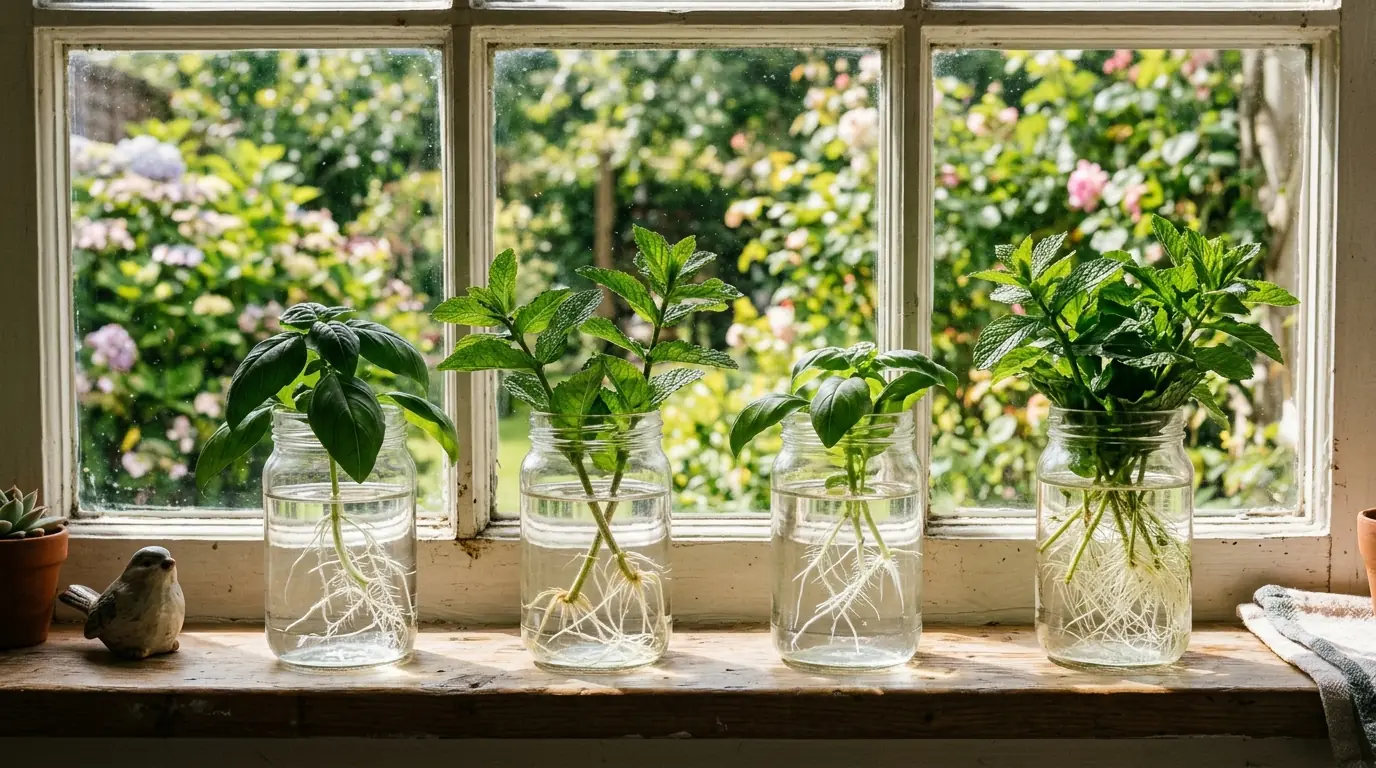
A glass of basil or mint on the kitchen windowsill is one of the most pinned herb ideas, and it does work for some herbs. Extension guides draw a clear line, though: soft-stemmed herbs such as basil, mint and lemon balm root quickly in a jar, while woody herbs such as rosemary, sage and thyme are usually rooted in a moist mix instead. And a cutting in plain water is a starting point, not a garden: water alone has almost no nutrients. This guide lists seven herbs that grow in water, how long each takes, how to keep them growing indoors, and what it takes to grow herbs without soil for good, following Illinois Extension, NDSU, UF/IFAS, Montana State, the RHS, UNH and the ASPCA.
Herbs That Grow in Water at a Glance
| Herb | Roots in water? | Rooting time noted | Pets (ASPCA) |
|---|---|---|---|
| Basil | Yes, in a glass on a windowsill (Illinois) | A few weeks (Illinois) | Non-toxic |
| Mint | Yes (NDSU, UF/IFAS) | About 1 to 2 weeks (UF/IFAS) | Toxic |
| Lemon balm | Yes (UF/IFAS) | About 1 to 2 weeks (UF/IFAS) | Non-toxic |
| Oregano | Roots from cuttings; guides use a moist mix | About 2 to 4 weeks (UF/IFAS) | Toxic |
| Rosemary | Usually rooted in a moist mix | About 4 to 8 weeks (UF/IFAS) | Non-toxic |
| Sage | Usually rooted in a moist mix (Purdue, RHS) | Not given | Non-toxic |
| Thyme | Usually rooted in a moist mix (Purdue, RHS) | Not given | Non-toxic |
Sources: Illinois Extension (Enroth 2020); NDSU Extension FN1937 (reviewed 2025); UF/IFAS Extension Leon County (Jameson 2026); Purdue Extension; RHS; ASPCA cat and dog plant lists. UF/IFAS rooting times refer to cuttings in a moist mix.
7 Herbs to Root in Water (and Which Prefer Soil)
1. Basil
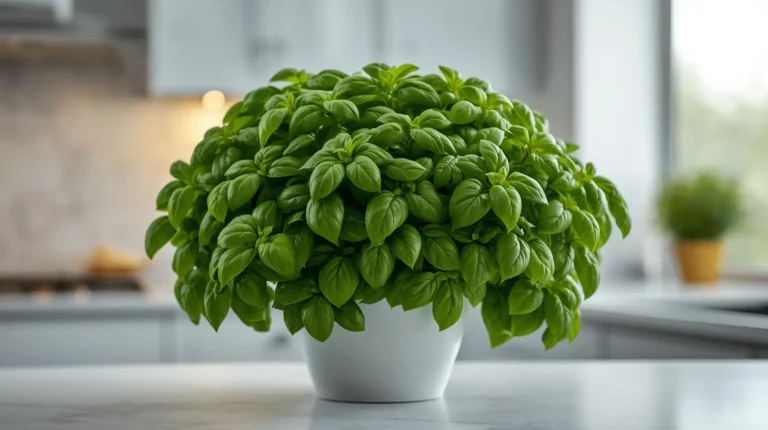
Basil is the classic water herb. Illinois Extension describes a Master Gardener who puts garden basil in a glass of water on her kitchen windowsill, pinches leaves for cooking, and has a new basil plant after a few weeks. Basil is cold-sensitive: the same article notes leaf damage at 50°F, so keep the glass away from a cold winter window. Ohio State Extension adds that basil does very well in hydroponic systems for year-round production. The ASPCA lists basil as non-toxic to cats and dogs. See our guide to growing basil indoors.
2. Mint
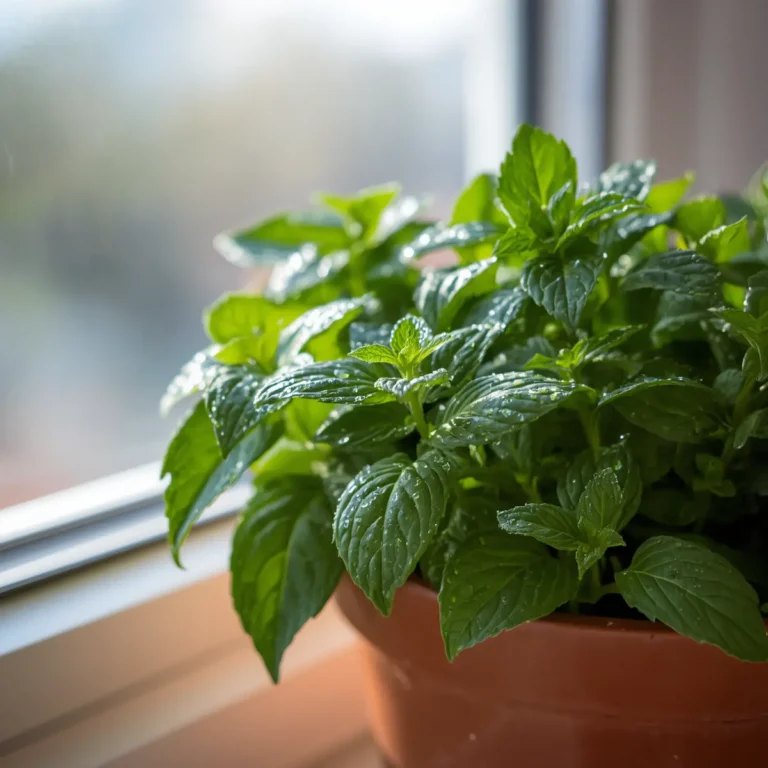
NDSU Extension suggests sharing mint by placing a cutting in a container of water until roots appear. UF/IFAS lists mint among the fast rooters, about one to two weeks, and says it doesn’t need rooting hormone. Once rooted, keep it in its own pot: UF/IFAS Gardening Solutions says mint spreads like wildfire. The ASPCA lists mint as toxic to cats and dogs. See our mint plant care guide.
3. Lemon balm
Lemon balm is a mint relative, and the UF/IFAS Extension Leon County guide says it can root in water, like mint, in about one to two weeks. The same guide still prefers a mix for both, for the root reason explained below. Trim the flower stalks, because lemon balm spreads mainly by seed. The ASPCA lists lemon balm as non-toxic to cats and dogs.
4. Oregano
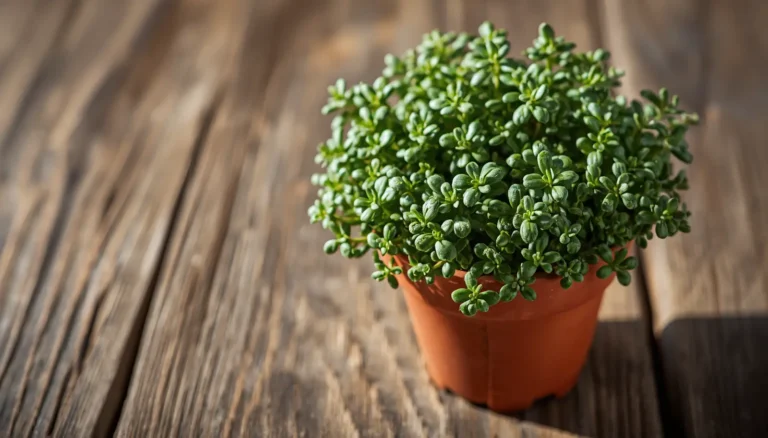
Oregano roots from softwood cuttings taken in summer (RHS), and UF/IFAS gives about two to four weeks in a moist mix. None of the extension guides we used describes rooting oregano in water, so a mix is the safer choice. The ASPCA lists oregano as toxic to cats and dogs. See our guide to growing oregano.
5. Rosemary
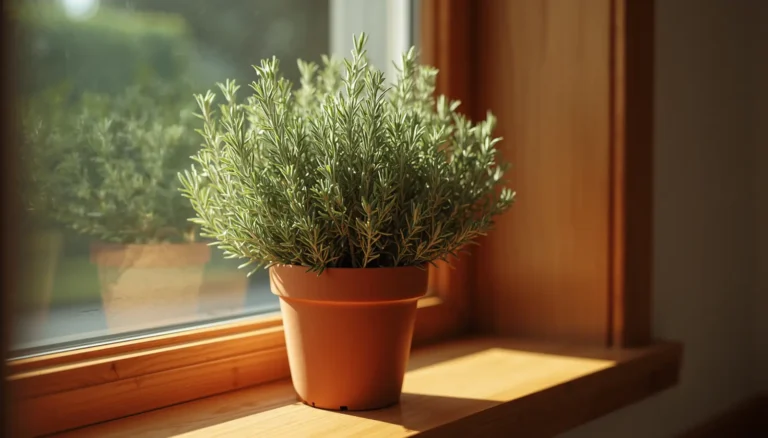
Rosemary is the slow one. UF/IFAS gives about four to eight weeks, recommends flexible new growth rather than woody stems, and says rooting hormone helps rosemary most. The RHS suggests semi-ripe cuttings in late summer or heel cuttings in spring. Water-rooting rosemary is popular on Pinterest, but the extension method is a moist mix. The ASPCA lists rosemary as non-toxic. See our guide to growing rosemary.
6. Sage
The RHS suggests heel cuttings or 15 cm (6 in) softwood cuttings of sage in early summer, and Purdue Extension roots sage cuttings in moist media such as soil mix, vermiculite or perlite. The ASPCA lists common garden sage as non-toxic.
7. Thyme
The RHS suggests thyme softwood cuttings 5 to 7.5 cm (2 to 3 in) long in late spring or summer, rooted in a mix, and Purdue lists thyme among herbs propagated by cuttings and layering. Its thin stems make it a poor candidate for a jar. The ASPCA lists common thyme as non-toxic.
How to Root Herb Cuttings in Water
This method combines Montana State University Extension‘s guide to rooting cuttings, which names basil and mint as good herbaceous candidates, with the UF/IFAS herb guide.
- Cut a 4 to 6 inch tip from a healthy, non-flowering stem, just below a node (the point where leaves attach) (UF/IFAS). Montana State suggests a shoot with three to five nodes.
- Strip the lower leaves so none sit in the water, where they rot.
- Use room-temperature tap water with at least one node under water (Montana State). An opaque jar keeps the roots dark.
- Place it in bright, indirect light, not hot afternoon sun.
- Change the water weekly and skip fertilizer while it roots: Montana State says the cutting’s stored carbohydrates are enough.
- Pot it when roots are 1 to 2 inches long, which Montana State says reduces transplant shock.
Herbs That Grow in Water Indoors: Light and Temperature
Rooting is the easy part; keeping herbs that grow in water indoors productive is about light. Illinois Extension says indoor herbs usually need six to eight hours of bright light a day, recommends a south-facing window, and suggests supplemental lights on a timer for 12 to 16 hours a day in winter. It also advises keeping rooms at 70°F or cooler and keeping herbs away from direct heat, and notes that indoor herbs grow more slowly than summer garden plants. For lights, see our guide to grow lights for indoor plants.
| Factor | Guidance | Source |
|---|---|---|
| Light | 6 to 8 hours of bright light; south window; grow lights 12 to 16 hours | Illinois Extension |
| Temperature | 70°F or cooler, away from direct heat; basil damaged at 50°F | Illinois Extension |
| Water changes while rooting | Weekly | Montana State |
| Feeding after potting | Water-soluble fertilizer, no more than every two weeks | Illinois Extension |
Sources: Illinois Extension (2020, 2023); Montana State University Extension (2026).
Herbs That Grow in Water Without Soil: Is It Possible?
Yes, but not in plain water. UNH Extension explains that in hydroponics the nutrients a plant needs must be dissolved in the water, and plain tap water supplies almost none. That is why a rooted basil cutting in a glass eventually yellows and stalls. To grow herbs that grow in water only, use a hydroponic setup with a proper nutrient solution: UF/IFAS Gardening Solutions says hydroponically grown herbs grow much faster than container herbs, and that a system can be as simple as a floating raft. Basil is the best-documented herb for it (Ohio State). The simplest home version is the passive Kratky method; for other setups, see our hydroponic systems guide.
For houseplants rather than herbs, see our list of plants that grow in water.
Common Problems
| Problem | Likely cause | Fix |
|---|---|---|
| Stem turns black and slimy | Rot, often from leaves under water or stale water | Recut above the rot, strip lower leaves, change the water weekly or more |
| No roots after several weeks | Woody stem (rosemary, sage, thyme) or low light | Retake a soft tip cutting and root it in a moist mix |
| Cutting wilts after potting | Fragile water roots adjusting to soil (UF/IFAS) | Pot at 1 to 2 inches of root, keep the mix evenly moist, give bright indirect light |
| Rooted herb yellows in the jar | No nutrients in plain water (UNH) | Pot it, or move it to a hydroponic nutrient solution |
| Pale, stretched growth | Too little light (UF/IFAS) | Move to a south window or add a grow light |
| Green film in the water | Algae from light reaching the water | Use an opaque jar (Montana State) and change the water |
For where to put herbs and other plants in the kitchen, see our guide to kitchen plants.
Frequently Asked Questions
What herbs can grow in water?
Basil, mint and lemon balm root readily in water (Illinois Extension, NDSU, UF/IFAS). Oregano, rosemary, sage and thyme root from cuttings too, but the extension guides root them in a moist mix.
Can herbs grow in water without soil?
They can root without soil, but plain water has almost no nutrients (UNH). To keep herbs growing without soil, use a hydroponic system with a nutrient solution; UF/IFAS says hydroponic herbs grow much faster than container herbs.
How long does basil take to root in water?
Illinois Extension describes basil cuttings in a glass of water becoming a new plant after a few weeks. Keep it warm, since basil leaves are damaged at 50°F.
Can rosemary root in water?
Many people try it, but the extension method is a moist mix: UF/IFAS gives four to eight weeks for rosemary cuttings, recommends flexible new growth, and says rooting hormone helps rosemary most.
How often should I change the water?
Montana State University Extension says to change the water weekly; change it sooner if it turns cloudy or smells.
Should I add fertilizer to the water?
Not while the cutting roots: Montana State says stored carbohydrates are enough. Once potted, Illinois Extension suggests a water-soluble fertilizer no more than every two weeks for indoor herbs.
Are herbs grown in water safe for pets?
It depends on the herb. The ASPCA lists basil, lemon balm, rosemary, sage and thyme as non-toxic to cats and dogs, and mint and oregano as toxic.
Sources
- Enroth, C. Illinois Extension: How to Grow Popular Herbs (2020)
- Enroth, C. Illinois Extension: Keep growing with herbs indoors this fall, winter (2023)
- Garden-Robinson, J. and Kalb, T. NDSU Extension FN1937: Field to Fork: Mint (reviewed 2025)
- Jameson, M. UF/IFAS Extension Leon County: Borrowed Herbs: Grow a Garden from a Friend’s Clippings (2026)
- UF/IFAS Gardening Solutions: Herbs
- Dey, M. Montana State University Extension: Cloning at Home (2026)
- McDermott, T. Ohio State University Extension: Herb of the Summer: Basil (2023)
- Lerner, B. R. Purdue Extension: Propagate Herbs Now for Yearlong Enjoyment
- Royal Horticultural Society: Herbs: propagating
- Ebba, J. UNH Extension: Hydroponics at Home (2023)
- ASPCA: Toxic and Non-Toxic Plant List, Cats
- ASPCA: Toxic and Non-Toxic Plant List, Dogs