Creeping Thyme Lawn: Is It Worth It? Pros, Cons, Planting

The Lab | Creeping Thyme Lawn Creeping thyme (Thymus species such as mother-of-thyme, red creeping thyme and woolly thyme) is a low, mat-forming, flowering perennial … Read more

 Mark Tavis
The Lab | Creeping Thyme Lawn Creeping thyme (Thymus species such as mother-of-thyme, red creeping thyme and woolly thyme) is a low, mat-forming, flowering perennial … Read more
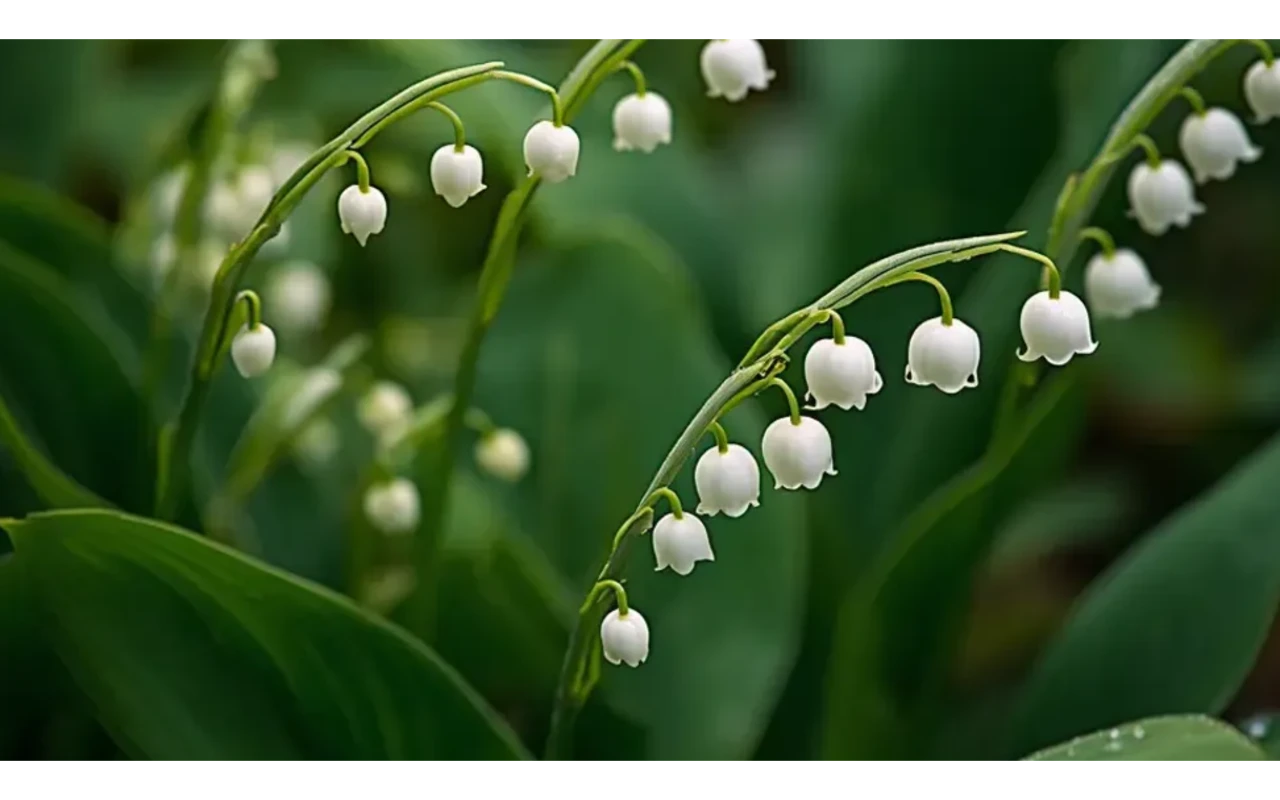
The Lab | Convallaria majalis Lily of the valley (Convallaria majalis) is a shade-loving perennial with tiny, sweetly scented white bells in late spring, and … Read more
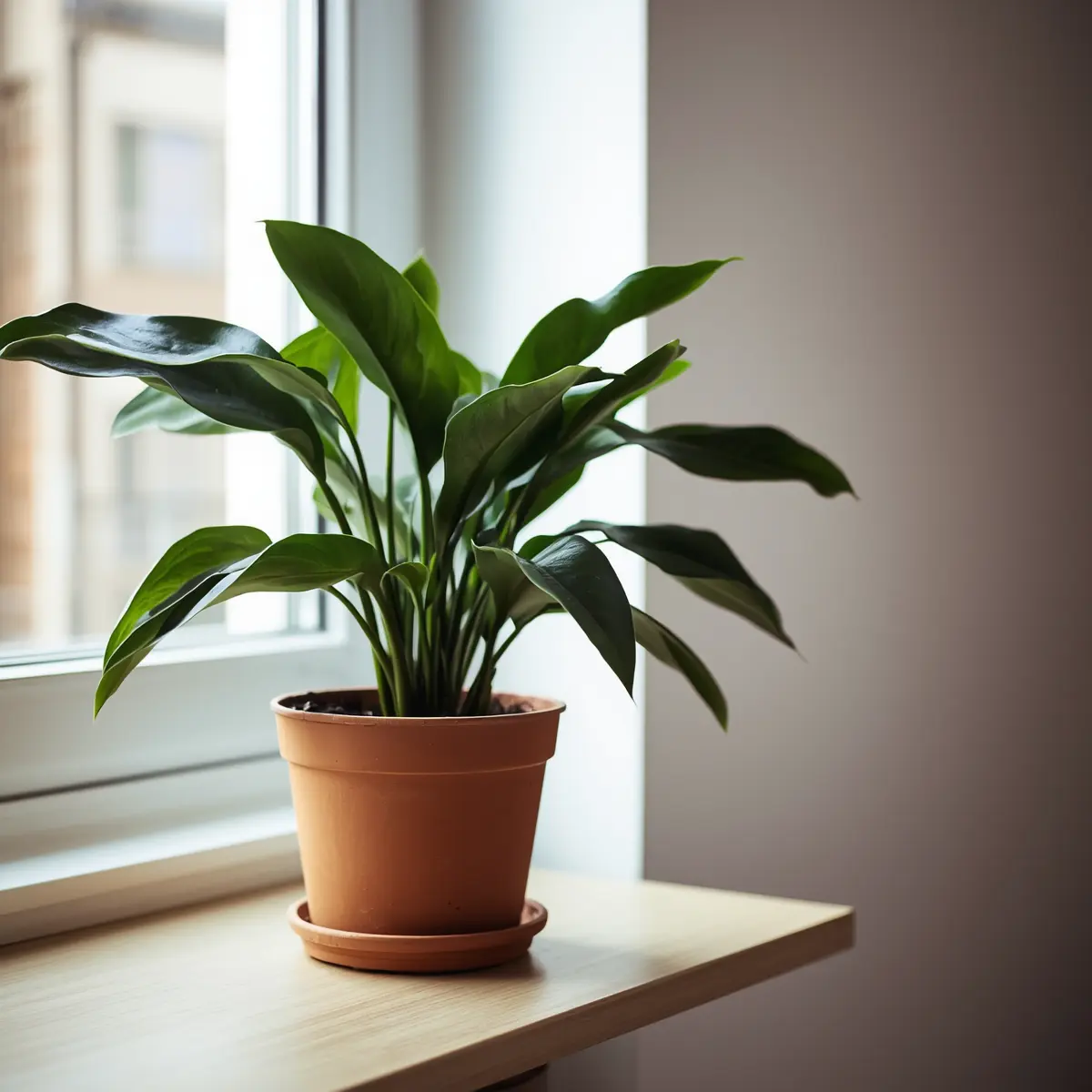
The Lab | ZZ Plant Care The ZZ plant (Zamioculcas zamiifolia) earns its reputation as one of the toughest houseplants: it tolerates low light, dry … Read more
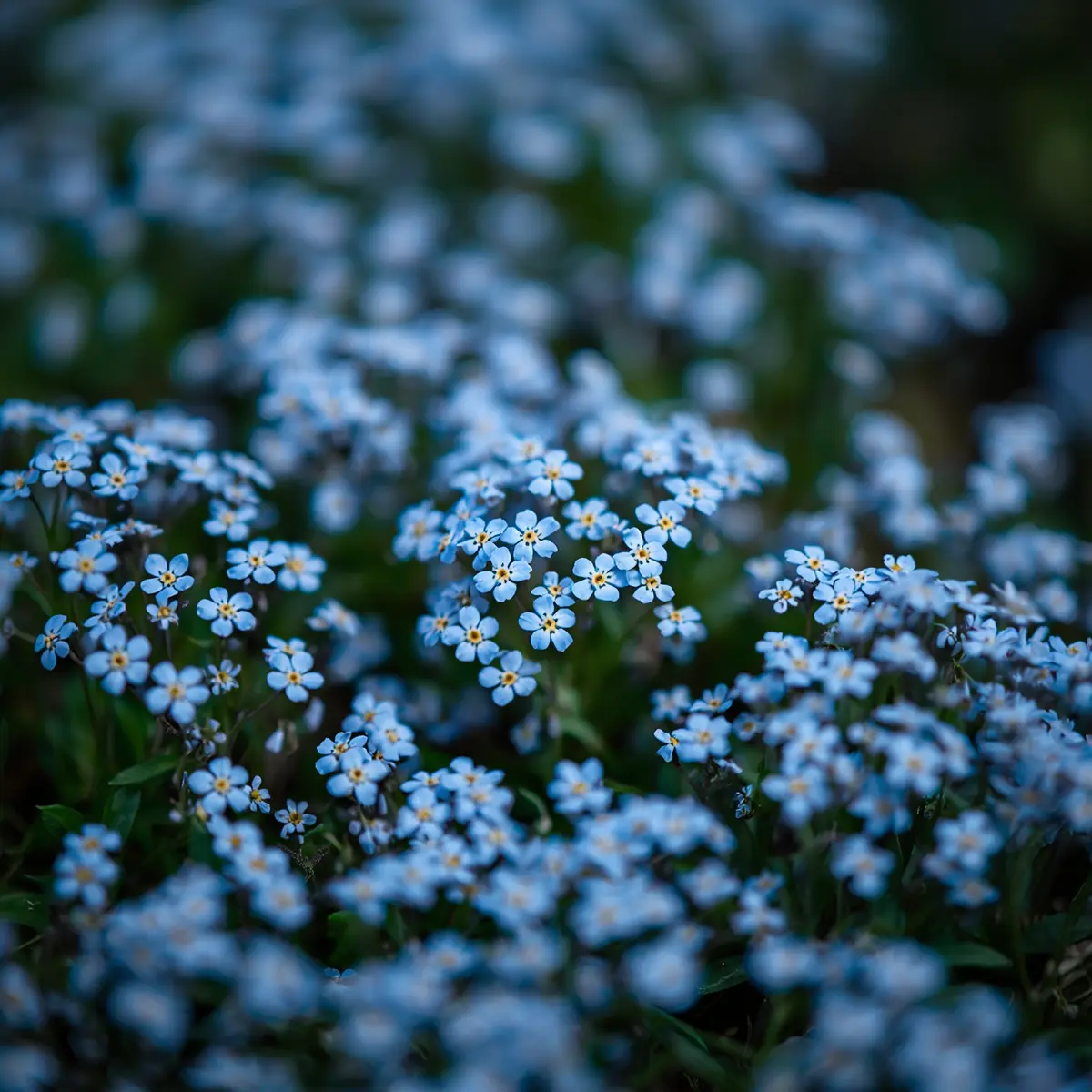
The Lab | Forget-Me-Not Care Forget-me-nots might be the easiest flower you will ever grow and the hardest one to get rid of. Sow a … Read more
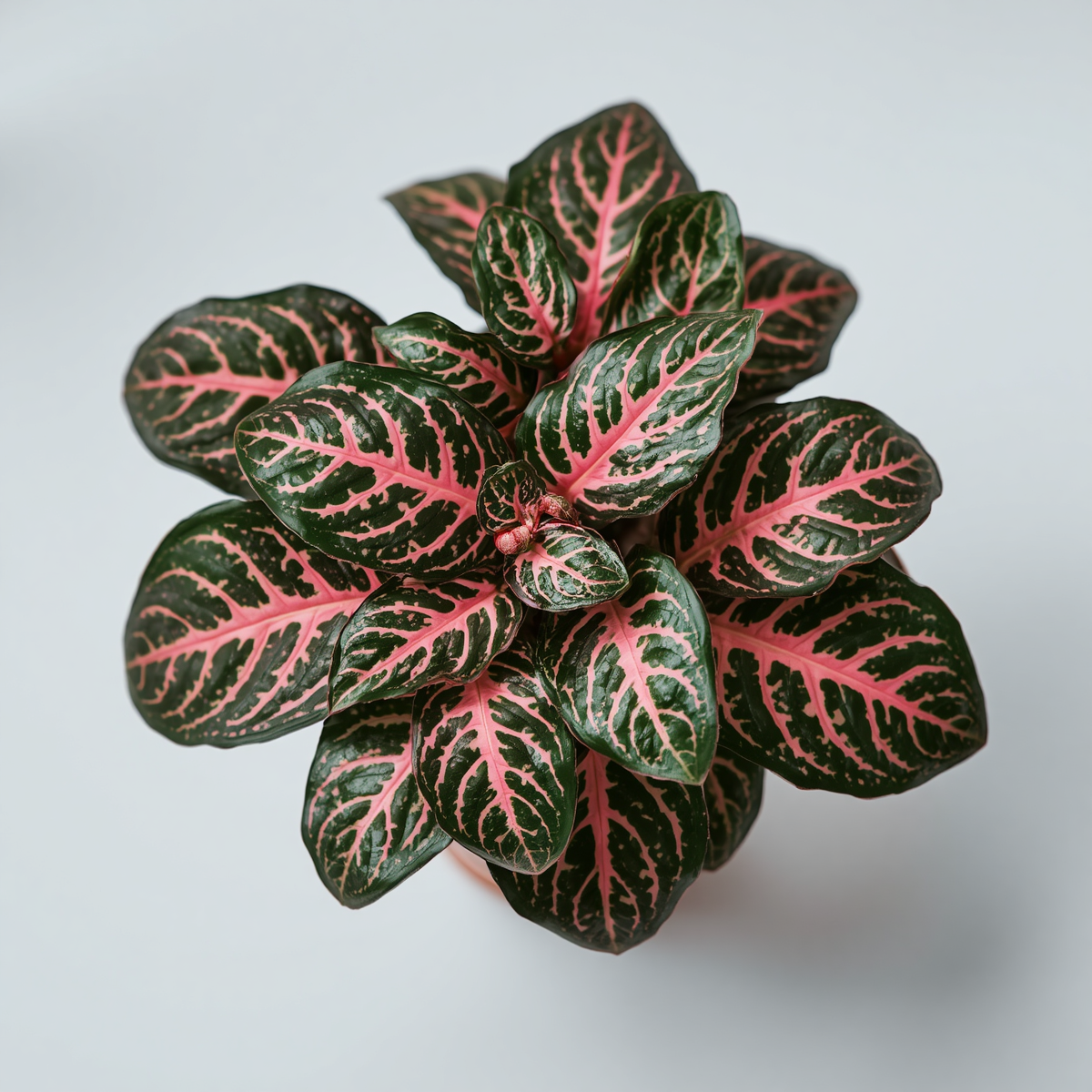
The Lab | Nerve Plant Care The nerve plant (Fittonia albivenis) is a small, creeping houseplant with leaves netted in white, pink or red veins. … Read more
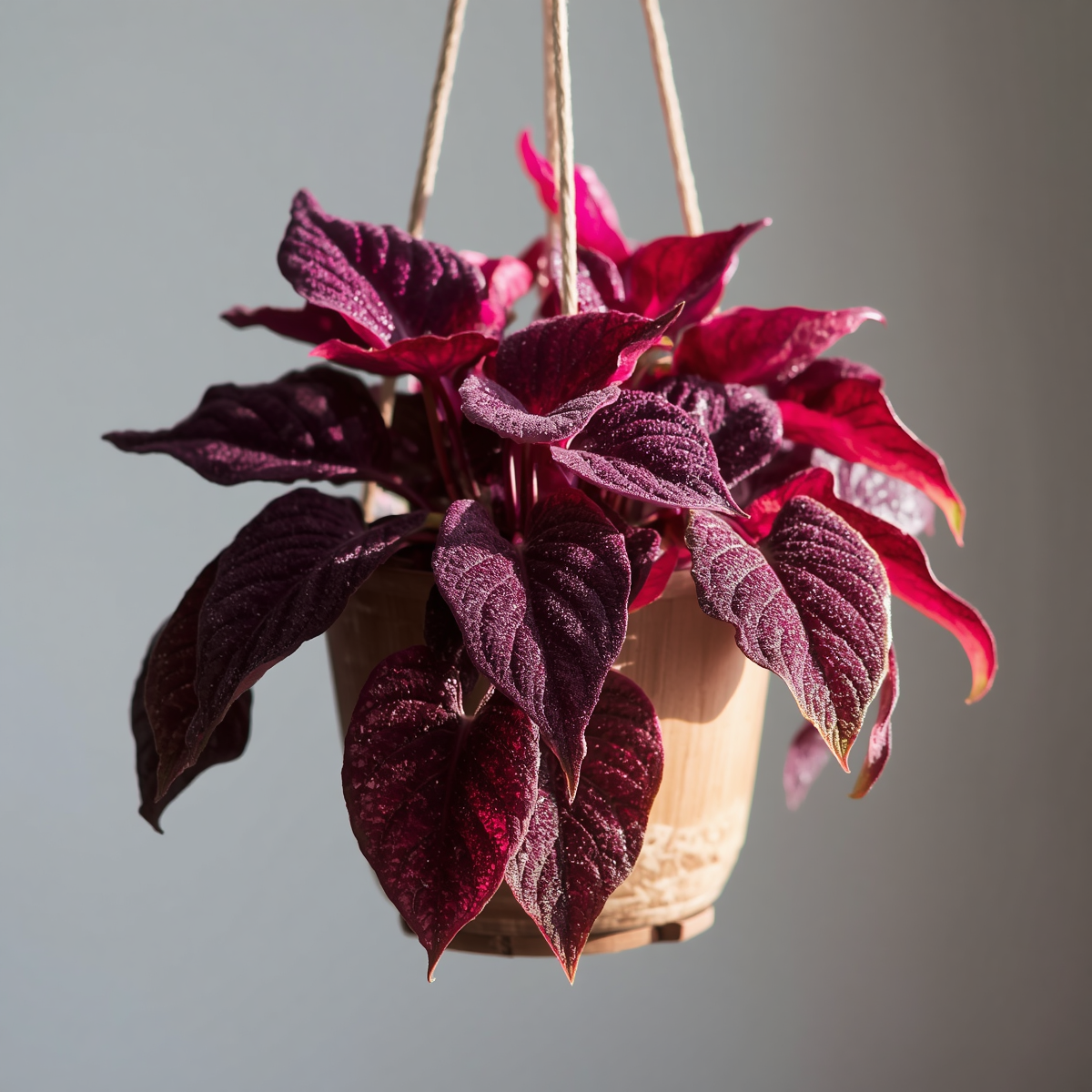
The Lab | Purple Passion Plant Care Looking for the passionflower vine (Passiflora) or passion fruit? This guide is about the velvet houseplant Gynura aurantiaca. … Read more
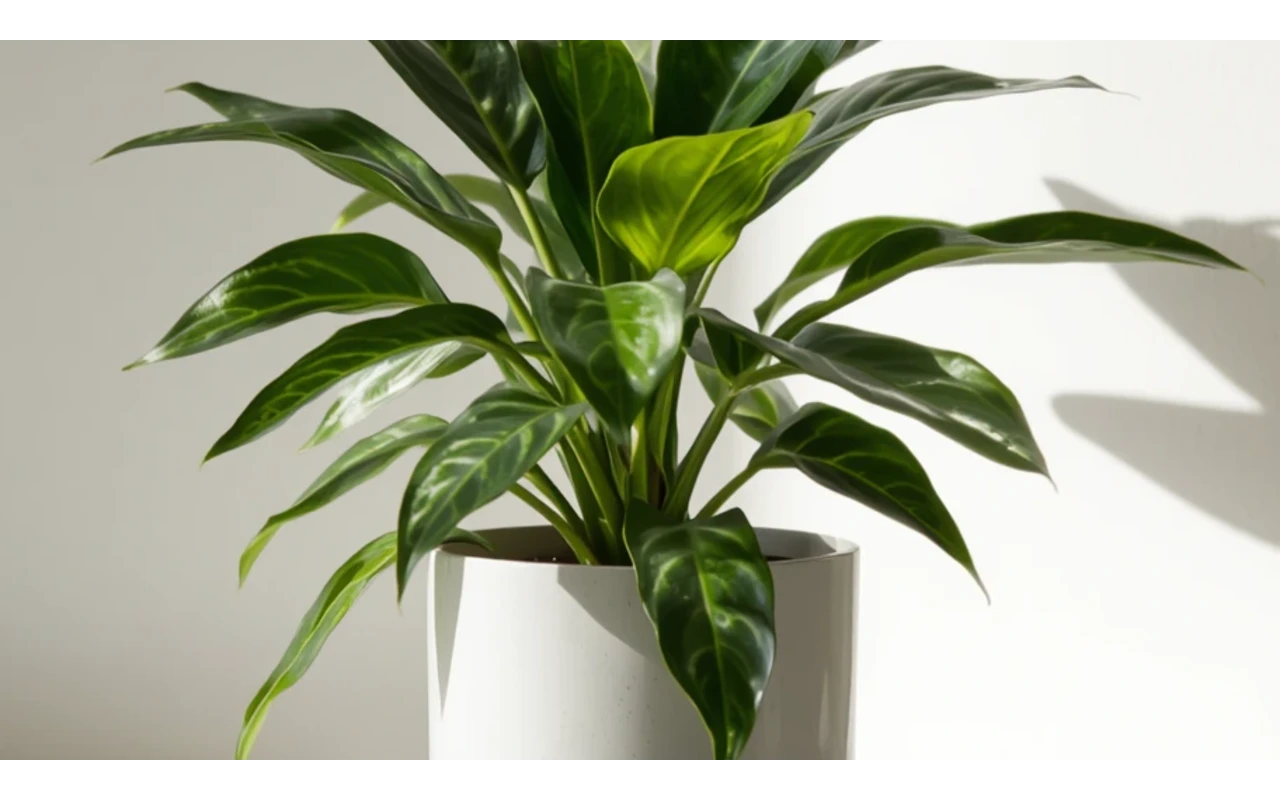
The Lab | How to Bottom Water Plants Bottom watering means letting a pot drink from below: you set it in a saucer or bowl … Read more

The Lab | Poinsettia (Euphorbia pulcherrima) Poinsettia care is easier than its throwaway reputation suggests: a bright spot away from cold drafts, water only when … Read more
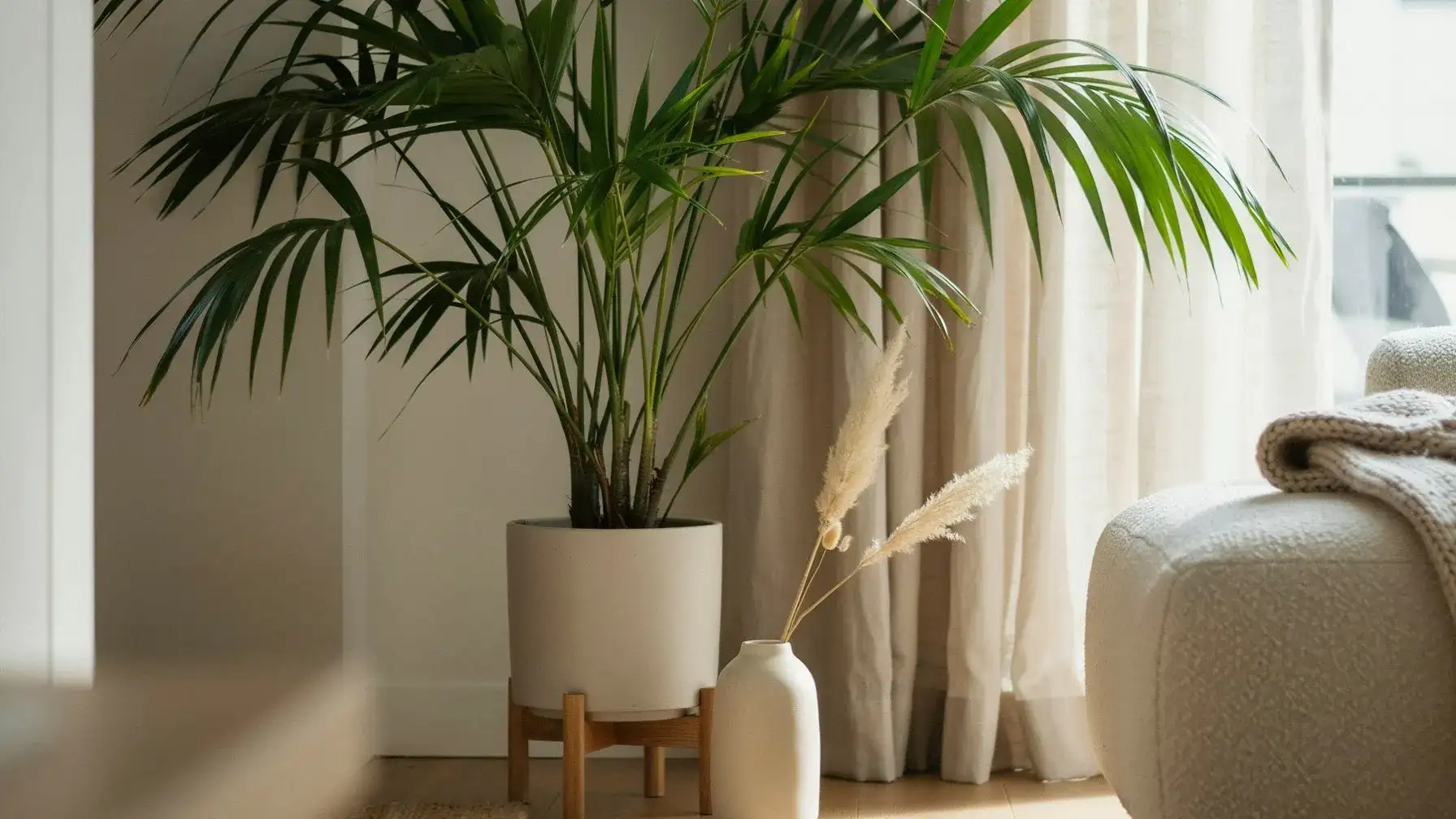
The Infirmary | Care Protocol Areca palm (Dypsis lutescens) grows best indoors in bright indirect light near an east, west or south window, in soil … Read more