

Charts of “plants that keep bugs away” are among the most saved garden pins: citronella, lavender, basil, mint, rosemary, lemongrass, marigold and catnip, often promising a mosquito-free patio or home. The research tells a more modest story. Some of these plants contain oils that repel insects once they are extracted and put into a repellent, but a living plant in a pot gives off very little of them. This guide checks which plants that repel mosquitoes have any evidence behind them, answers do citronella plants repel mosquitoes, covers plants that repel bugs indoors, and lists which of these plants are safe for dogs and cats, following the CDC, a Malaria Journal review, a field test published in the Journal of the American Mosquito Control Association, UC Agriculture and Natural Resources and the ASPCA.
Mosquito-Repelling Plants: Claims vs Evidence
| Plant | Popular claim | What the evidence shows | Pets (ASPCA) |
|---|---|---|---|
| Citronella geranium (citrosa) | Releases citronella and repels mosquitoes nearby | No significant difference from no plant in a field test; it is a scented geranium, not a citronella source (Matsuda 1996) | Toxic (scented geranium) |
| Citronella grass, lemongrass | Repels mosquitoes | The oil is used in repellents with mixed results; the plant has to be processed to extract it (UC ANR) | Lemongrass toxic |
| Basil relatives (Ocimum) | Repels mosquitoes | Potted Ocimum americanum gave about 38 to 40% protection in Kenyan hut studies (Maia and Moore review) | Basil non-toxic |
| Lantana | Repels mosquitoes | Potted plants gave about 27 to 32% protection in the same studies | Toxic |
| Lavender, mint, rosemary, catnip, marigold | Repels mosquitoes | We found no field test of the living potted plants among the sources reviewed; oil studies don’t show what a plant does | Lavender, mint, catnip toxic; rosemary and pot marigold non-toxic |
Sources: Matsuda et al. 1996, J Am Mosq Control Assoc 12(1):69-74; Maia and Moore 2011, Malaria Journal 10(Suppl 1):S11; UC ANR (2020); ASPCA cat and dog plant lists. Catnip is listed as toxic to cats; the ASPCA dog list has no catnip entry.
Do Citronella Plants Repel Mosquitoes?
The plant sold as “citronella plant” or “mosquito plant” is usually citrosa, a scented geranium (Pelargonium). Researchers at the University of Guelph analyzed its oil and tested it in the field. In the study by Matsuda and colleagues (1996), the plant’s oil was mostly geraniol and resembled rose geranium, with no sign of the citronella grass that commercial citronella oil comes from. In field tests against Aedes mosquitoes, people with the plants were not significantly different from people without them, while a DEET product reduced bites by more than 90% for up to 8 hours.
True citronella grass is a different plant. UC Agriculture and Natural Resources explains that the repellent oil has to be extracted from the grass to be used, that studies of the oil are mixed, and that citronella geranium has been found ineffective. The article also notes that citronella candles work no better than regular candles. The Malaria Journal review by Maia and Moore adds that citronella-based repellents protect from host-seeking mosquitoes for only about two hours.
Lavender, Basil, Mint, Rosemary and Marigold
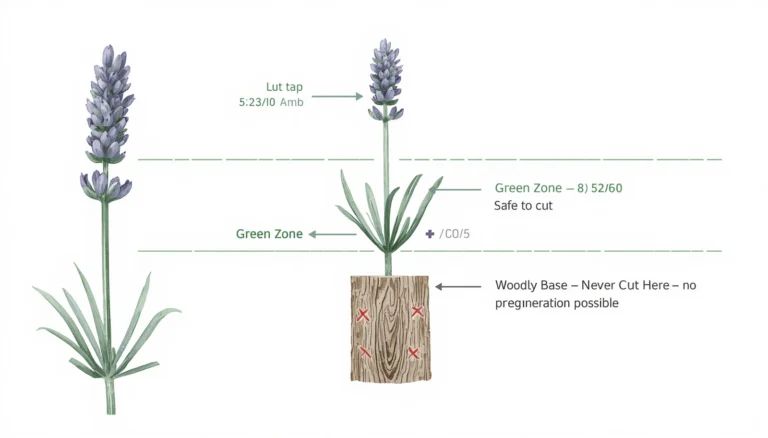
Most of these plants appear on repellent lists because their essential oils have shown some repellency in tests. Maia and Moore point out the catch for oils in general: plant repellent compounds are highly volatile, so they work for a short time after they are applied and then evaporate. An intact plant on a patio isn’t applying anything to your skin.
The closest thing to a real test of living plants comes from studies in Kenya summarized in the same review. Potted plants placed in experimental huts reduced the malaria mosquitoes reaching people by modest amounts: about 38 to 40% for Ocimum americanum (a basil relative), about 25 to 33% for Lippia uckambensis, and about 27 to 32% for lantana. Fresh Ocimum forskolei plants hung indoors gave about 53% in Eritrea. Those are partial reductions against one kind of mosquito in a hut, far from the near-complete protection of an EPA-registered repellent, and none of the studies tested lavender, mint, rosemary or marigold in pots.
So grow them because you like them: basil, mint and rosemary for the kitchen, lavender and marigolds for flowers. See our guides to lavender care, growing basil indoors, mint plant care and growing rosemary.
What Actually Repels Mosquitoes
| Measure | What to do | Source |
|---|---|---|
| EPA-registered repellent | DEET, picaridin, IR3535, oil of lemon eucalyptus, PMD or 2-undecanone, used as labeled | CDC |
| Screens | Use screens on windows and doors and repair holes | CDC |
| Standing water | Empty water-holding containers indoors and outdoors once a week | CDC |
| Air conditioning | Use it when available | CDC |
Source: CDC, Preventing Mosquito Bites (2024).
The CDC page also recommends checking for standing water weekly. For gardeners, that includes saucers under pots, watering cans and plant trays: empty them rather than leaving water sitting for days.
Plants That Repel Bugs Indoors
Indoors, the idea runs backwards: houseplants don’t repel insects, and some insects come with the plants. The common indoor plant pests are fungus gnats, spider mites, mealybugs, aphids and thrips, and the fixes are cultural and targeted, not more plants. Fungus gnats breed in constantly wet potting mix; see our guide on how to get rid of fungus gnats. Carnivorous plants such as butterworts and Venus flytraps catch some gnats but don’t clear an infestation; see our guide to carnivorous plants for fungus gnats. For mosquitoes coming in from outside, the CDC’s advice is screens and air conditioning.
Plants That Repel Mosquitoes That Are Safe for Dogs and Cats
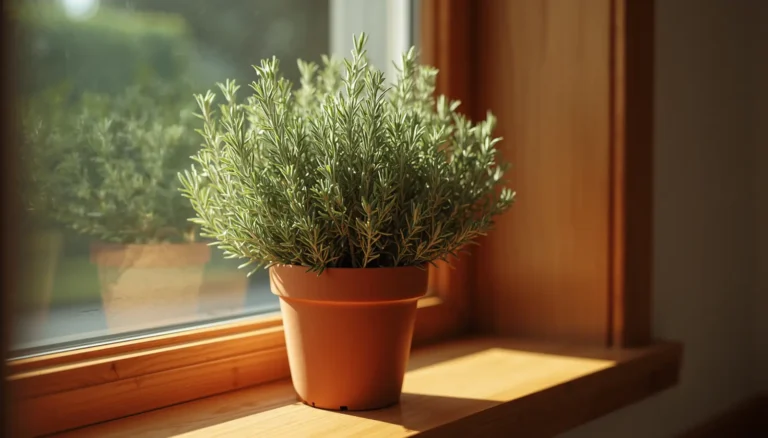
Several plants on mosquito charts are toxic to pets. On the ASPCA lists, scented geranium (including citrosa), lemongrass, lavender, mint, lantana and oregano are toxic to cats and dogs, and catnip is listed as toxic to cats. Basil, rosemary, thyme and pot marigold (Calendula) are listed as non-toxic; the French and African marigolds (Tagetes) often pinned for mosquitoes have no ASPCA entry. If you have pets, those are the safer picks, but remember that none of them is a reliable repellent. See our lists of plants safe for dogs and cat-safe plants.
Frequently Asked Questions
Do any plants actually repel mosquitoes?
Not reliably. The best field data, from Kenyan hut studies, show potted basil relatives and lantana giving about 25 to 40% protection (Maia and Moore 2011). The CDC recommends EPA-registered repellents instead.
Do citronella plants repel mosquitoes?
No. In a University of Guelph field test, people next to citrosa plants were bitten as much as people without them (Matsuda et al. 1996). UC ANR says citronella geranium has been found ineffective and that citronella candles work no better than regular candles.
Does lavender repel mosquitoes?
Lavender oil appears in repellent research, but we found no field test of potted lavender among the sources reviewed. Plant oils are volatile and evaporate quickly (Maia and Moore). Lavender is also toxic to cats and dogs (ASPCA).
What plants repel bugs indoors?
None in a meaningful way. Indoor pests such as fungus gnats come from conditions like wet potting mix, so fix those. Screens keep mosquitoes out (CDC).
Which mosquito plants are safe for dogs?
Of the plants usually pinned, basil, rosemary, thyme and pot marigold are listed as non-toxic by the ASPCA. Citronella geranium, lemongrass, lavender, mint and lantana are toxic.
What is the most effective mosquito repellent?
The CDC recommends EPA-registered repellents with DEET, picaridin, IR3535, oil of lemon eucalyptus, PMD or 2-undecanone, used as labeled. In the citrosa study, DEET reduced bites by more than 90% for up to 8 hours.
Do plants attract mosquitoes?
Plants themselves aren’t the main draw, but water does: mosquitoes breed in standing water, so the CDC advises emptying water-holding containers weekly, which includes plant saucers and trays.
Sources
- Matsuda, B.M. et al. Essential oil analysis and field evaluation of the citrosa plant “Pelargonium citrosum” as a repellent against populations of Aedes mosquitoes. Journal of the American Mosquito Control Association 12(1):69-74 (1996)
- Maia, M.F. and Moore, S.J. Plant-based insect repellents: a review of their efficacy, development and testing. Malaria Journal 10(Suppl 1):S11 (2011)
- CDC: Preventing Mosquito Bites (2024)
- UC Agriculture and Natural Resources: Through the garden gate: Repelling summer mosquitoes with Citronella (2020)
- ASPCA: Toxic and Non-Toxic Plant List, Cats
- ASPCA: Toxic and Non-Toxic Plant List, Dogs