Monstera Light Requirements: PPFD, Lux and DLI in Numbers
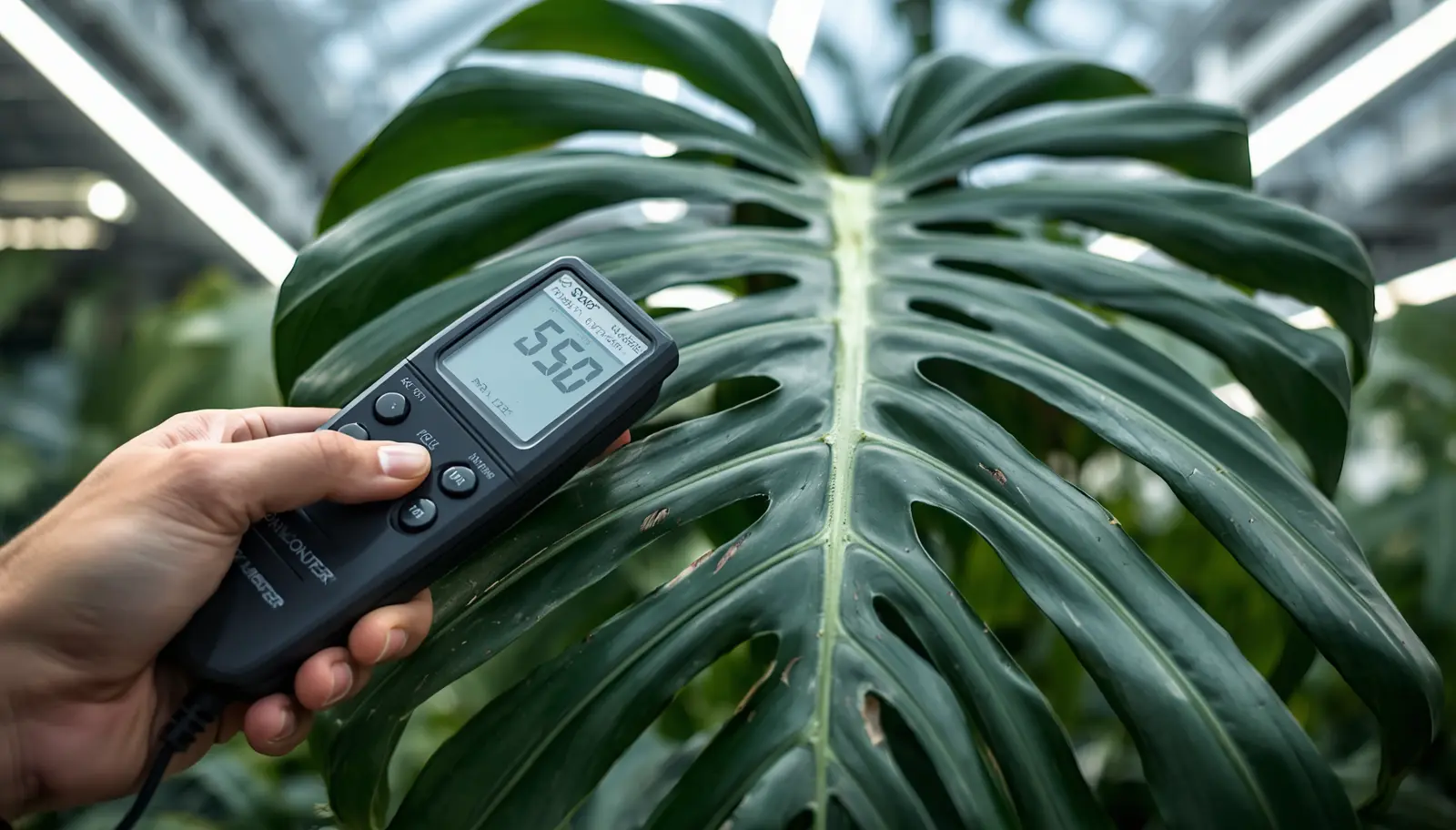
The Lab | Monstera Lighting Monstera light requirements come down to one rule: bright light without harsh direct sun, and more of it than most … Read more

The lab has science-based care guides for rare and common indoor plants.
The Lab | Monstera Lighting Monstera light requirements come down to one rule: bright light without harsh direct sun, and more of it than most … Read more
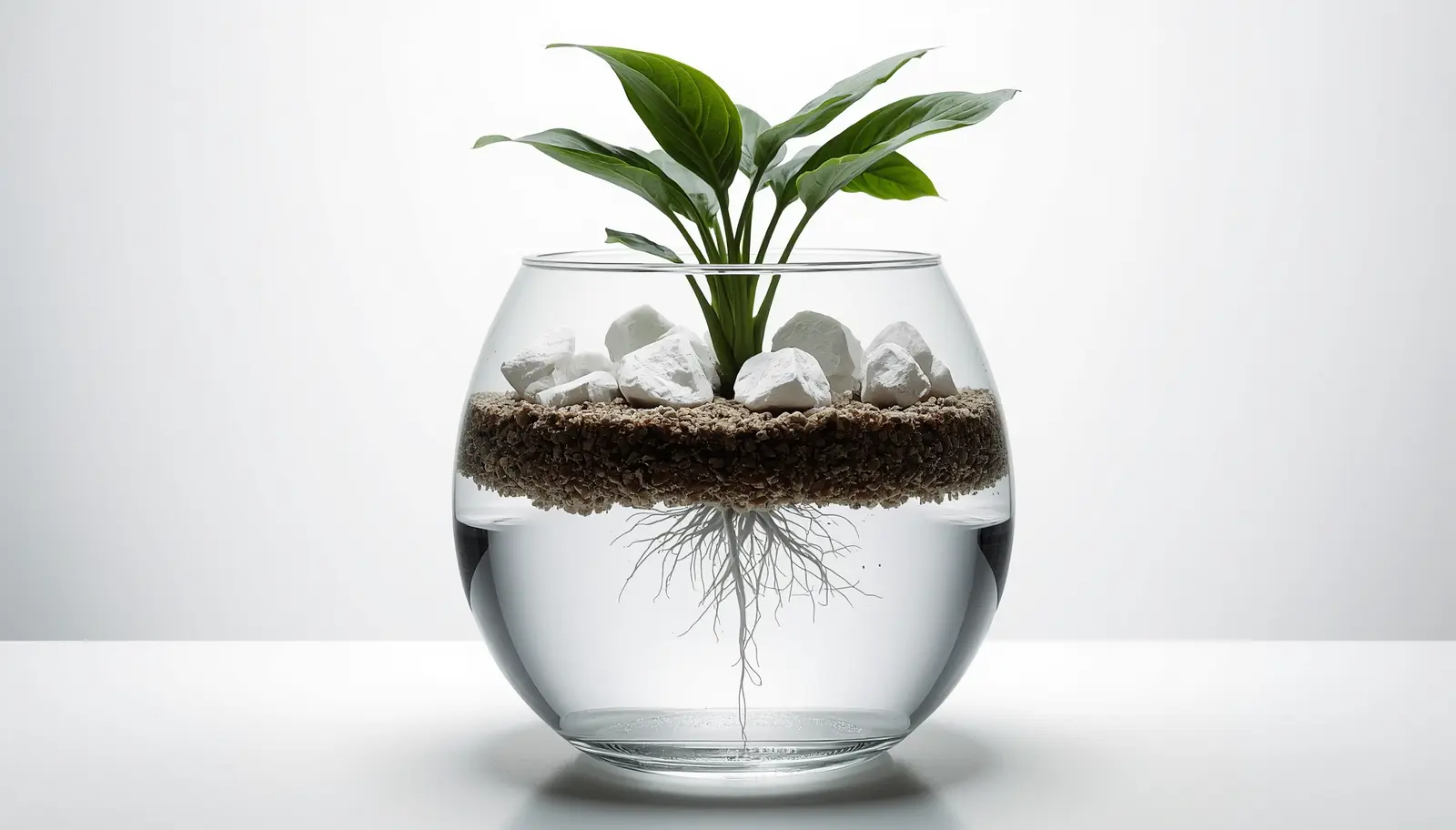
The Lab | Lechuza PON Semi-Hydro Lechuza PON is a purely mineral substrate (pumice, lava and zeolite with a slow-release fertilizer) that you can use … Read more
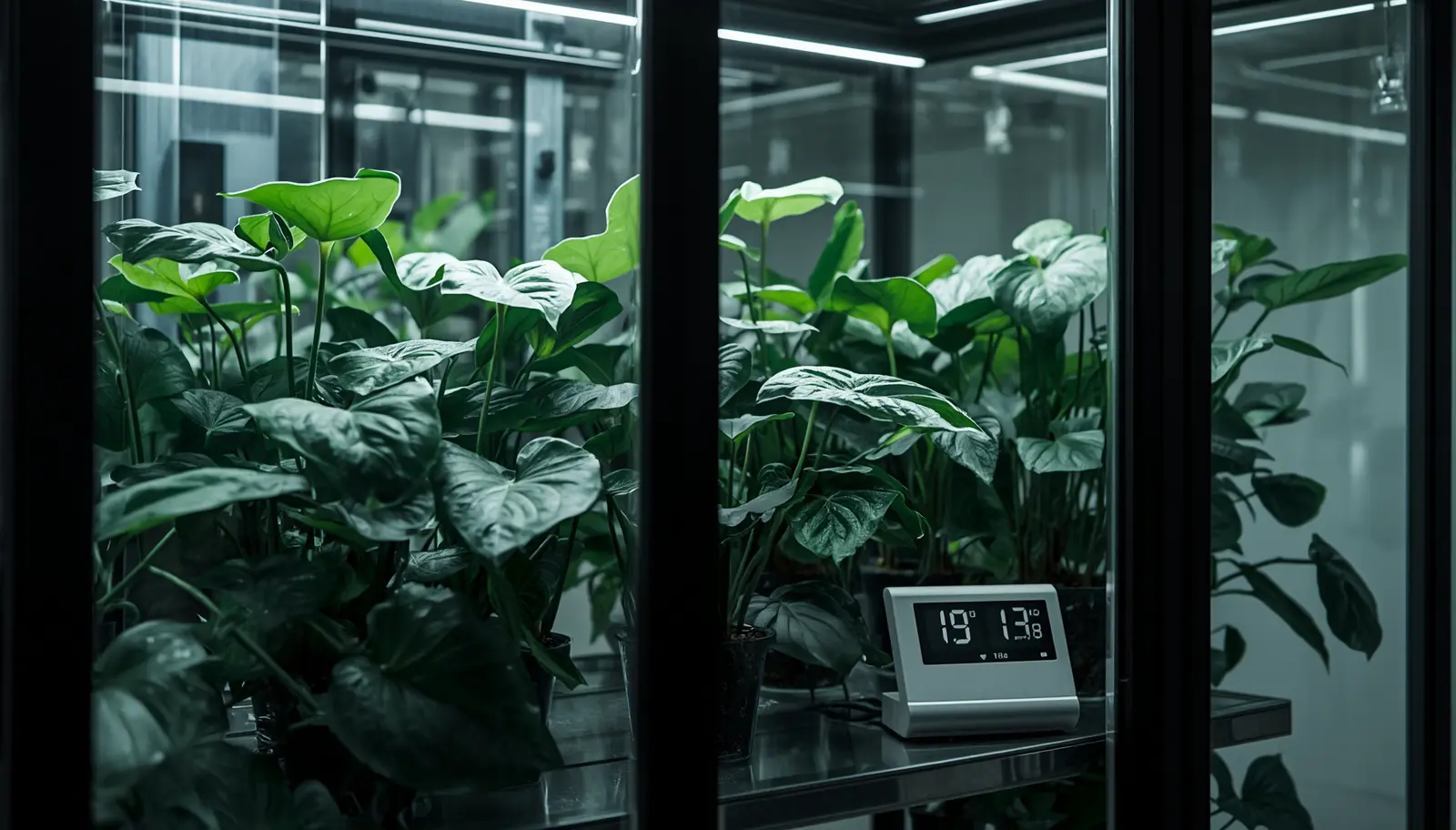
The Lab | VPD for Indoor Plants If you grow humidity-loving plants in a cabinet, a greenhouse tent or a bathroom, you have probably seen … Read more
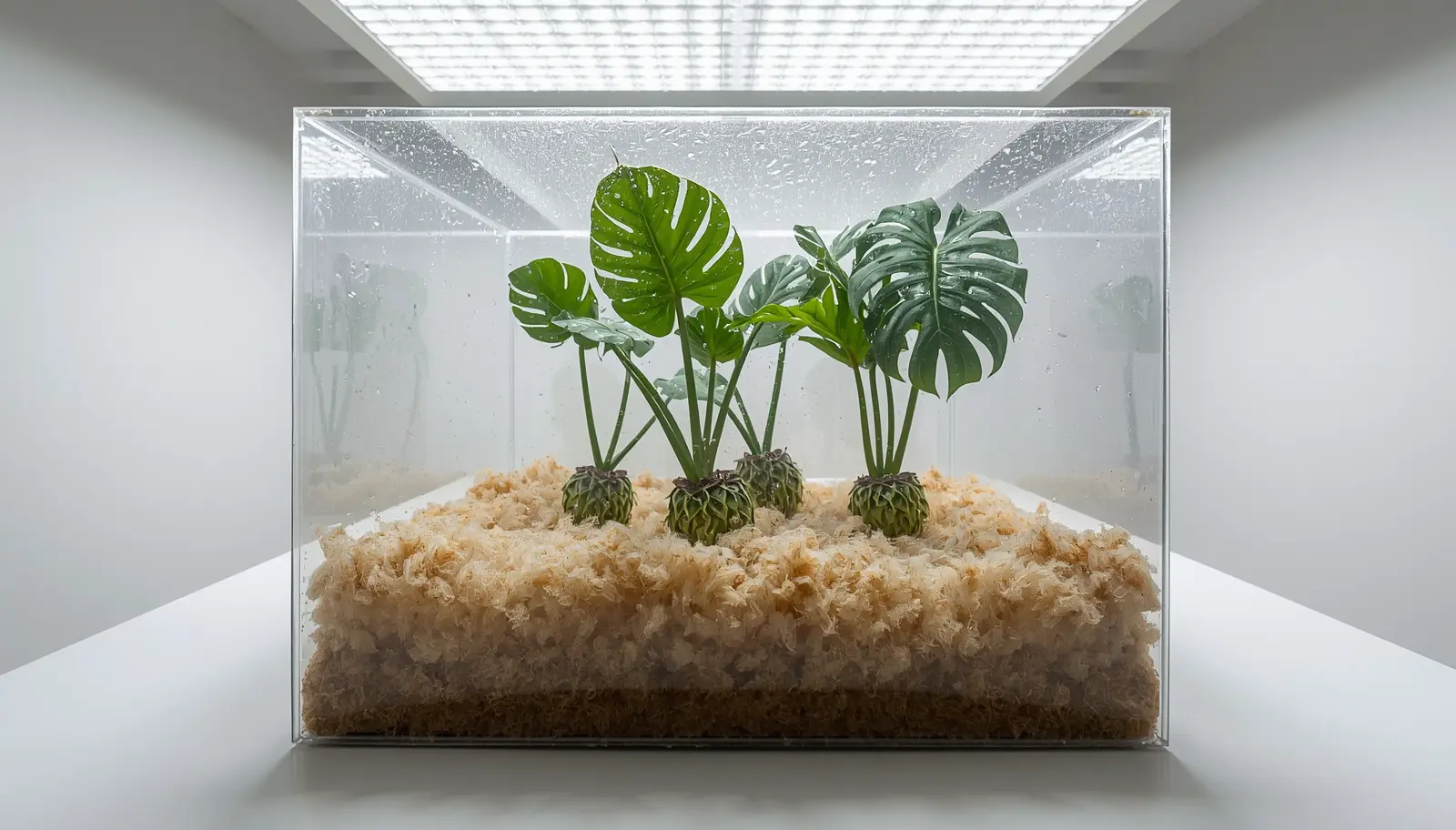
The Urban Lab | Propagation Protocol How to propagate in sphagnum moss: soak long-fiber sphagnum until it is evenly damp, squeeze out the excess so … Read more
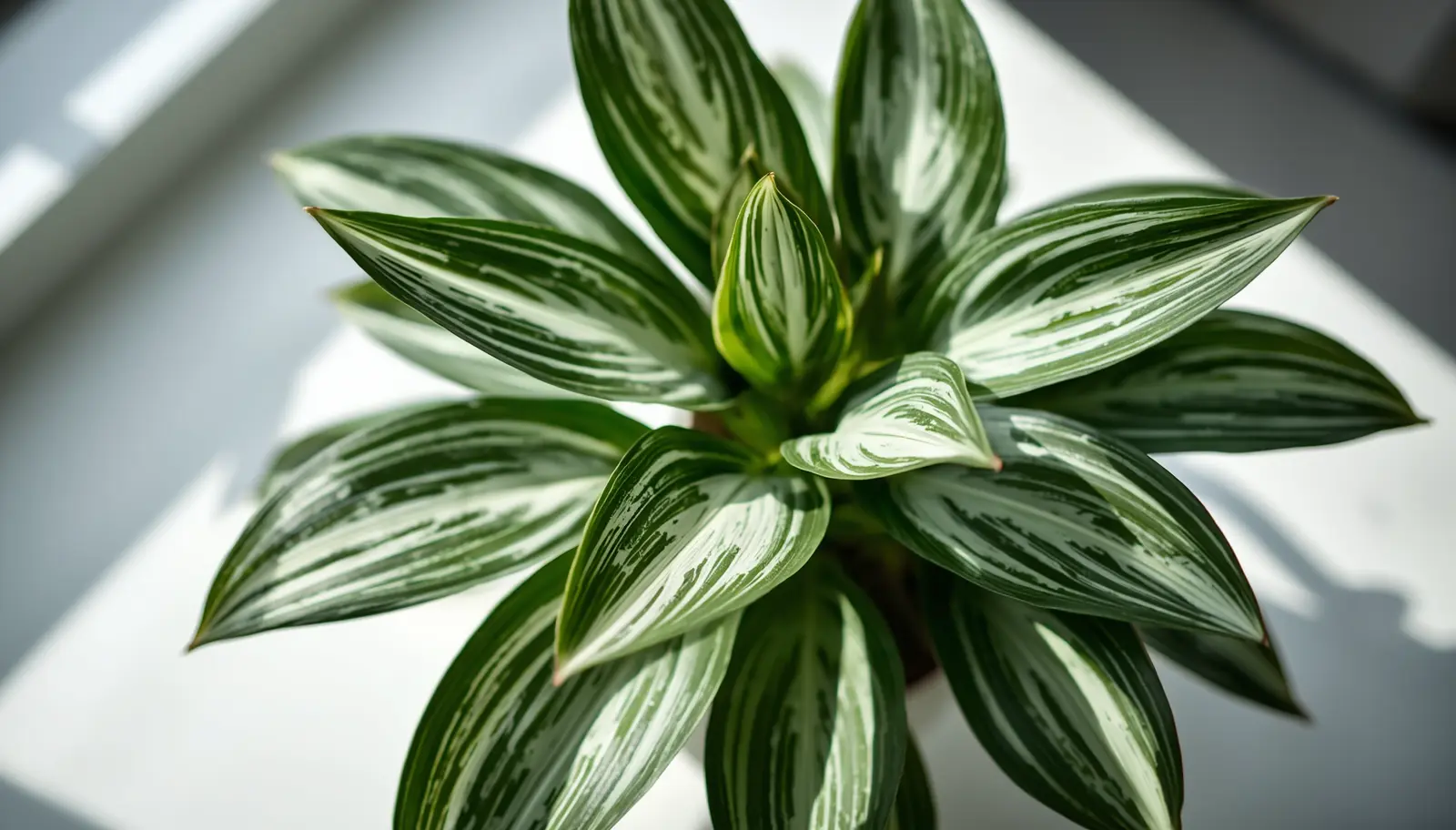
The Lab | Calathea and Goeppertia The best water for calathea is low in fluoride and dissolved salts: distilled water, reverse osmosis water or clean … Read more
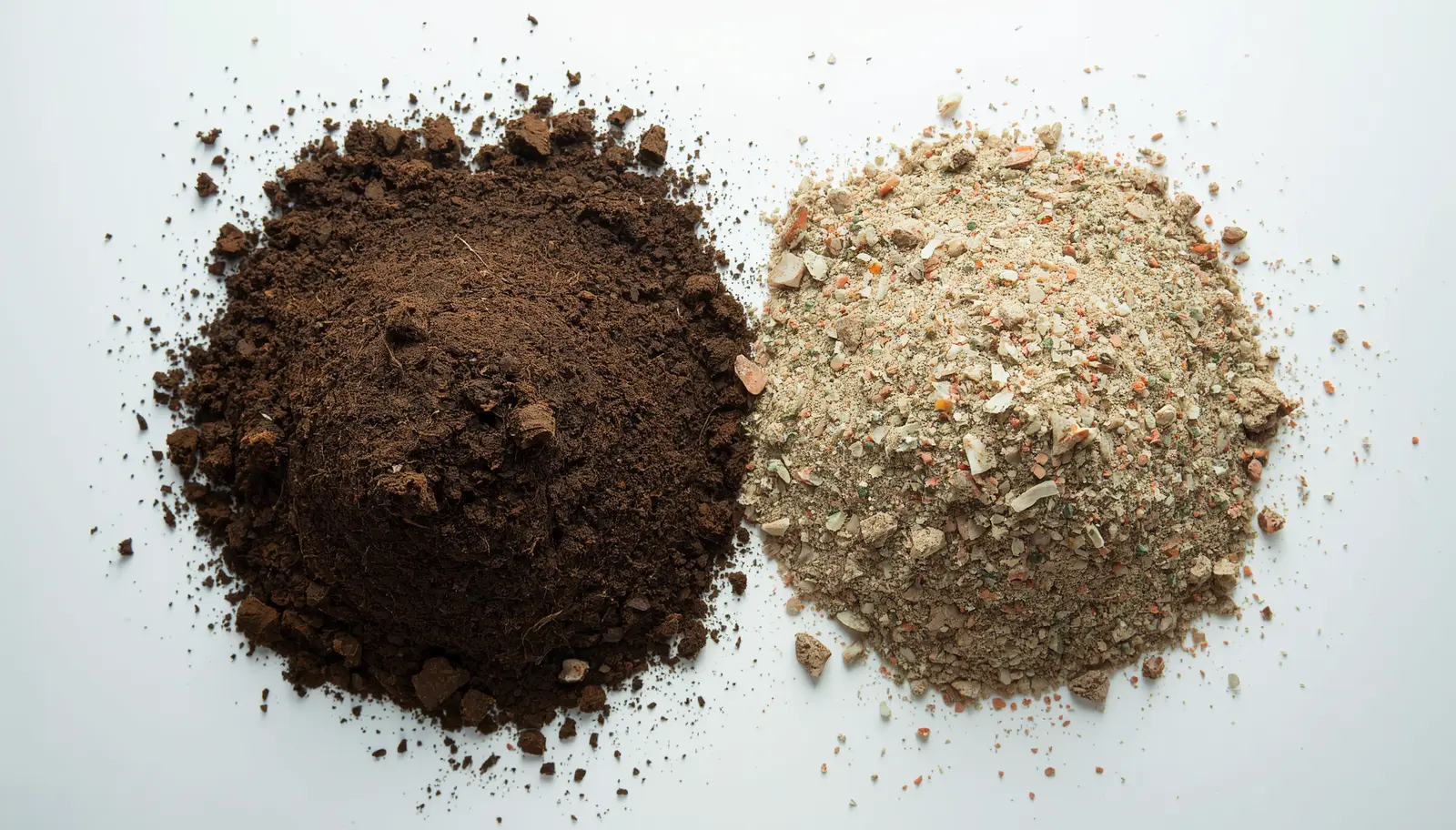
The Lab | Monstera in Lechuza PON How to transition a Monstera to Lechuza PON: set the plant in the planter on a thin layer … Read more
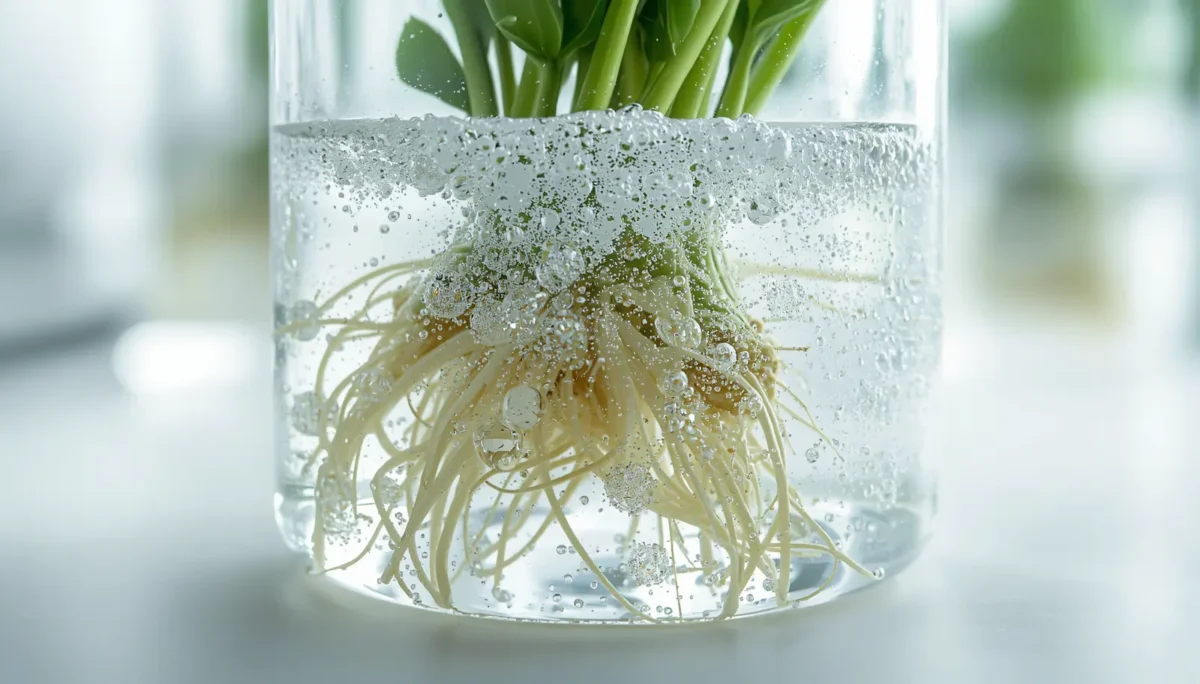
The Lab | Root Rot Treating root rot with hydrogen peroxide is popular advice, but the evidence behind it is thin. Extension plant pathologists recommend … Read more
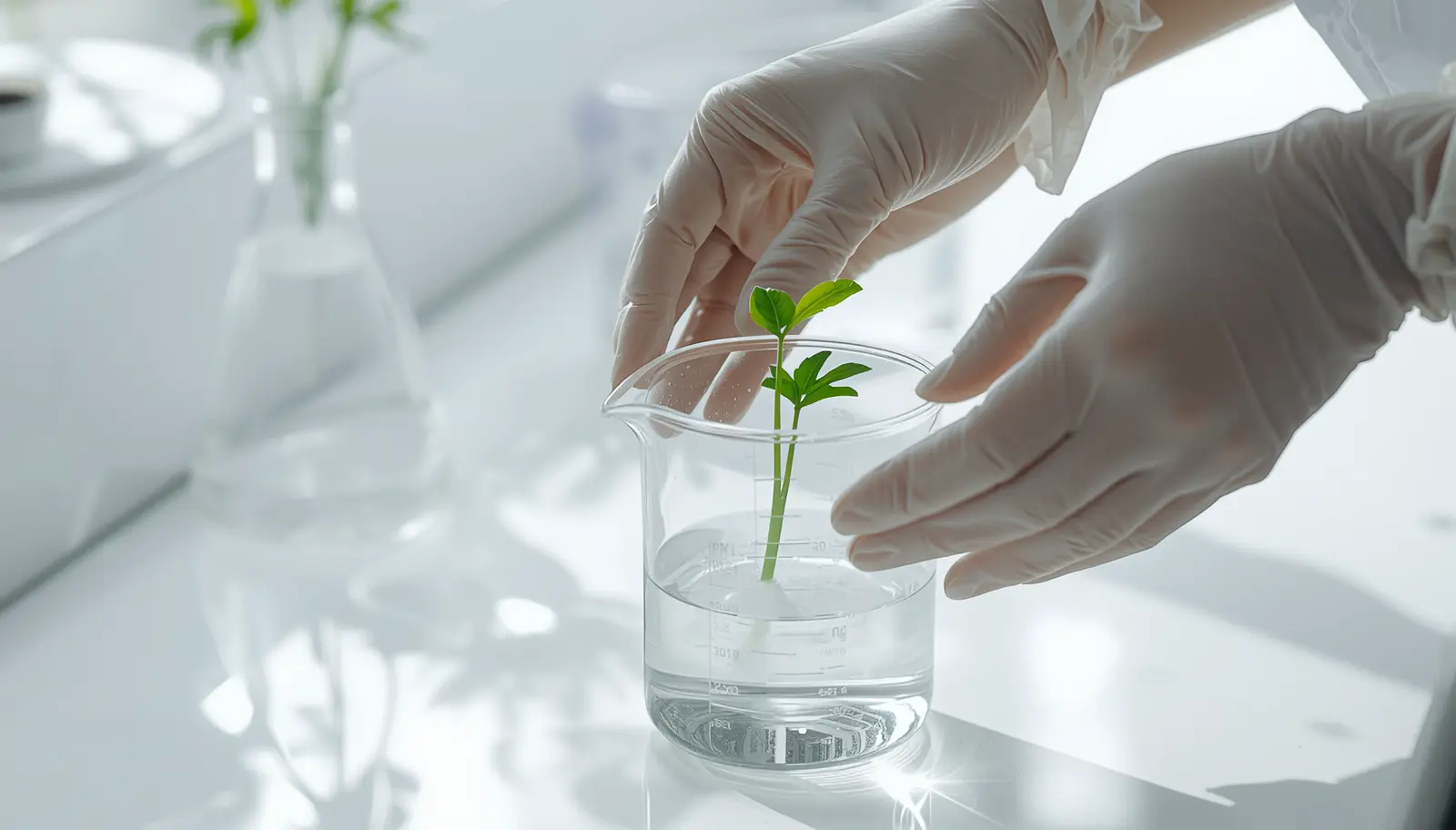
The Lab | Micropropagation Tissue culture acclimation is the slow move of a plantlet from its sealed, humid, sugar-fed container to normal room air. The … Read more
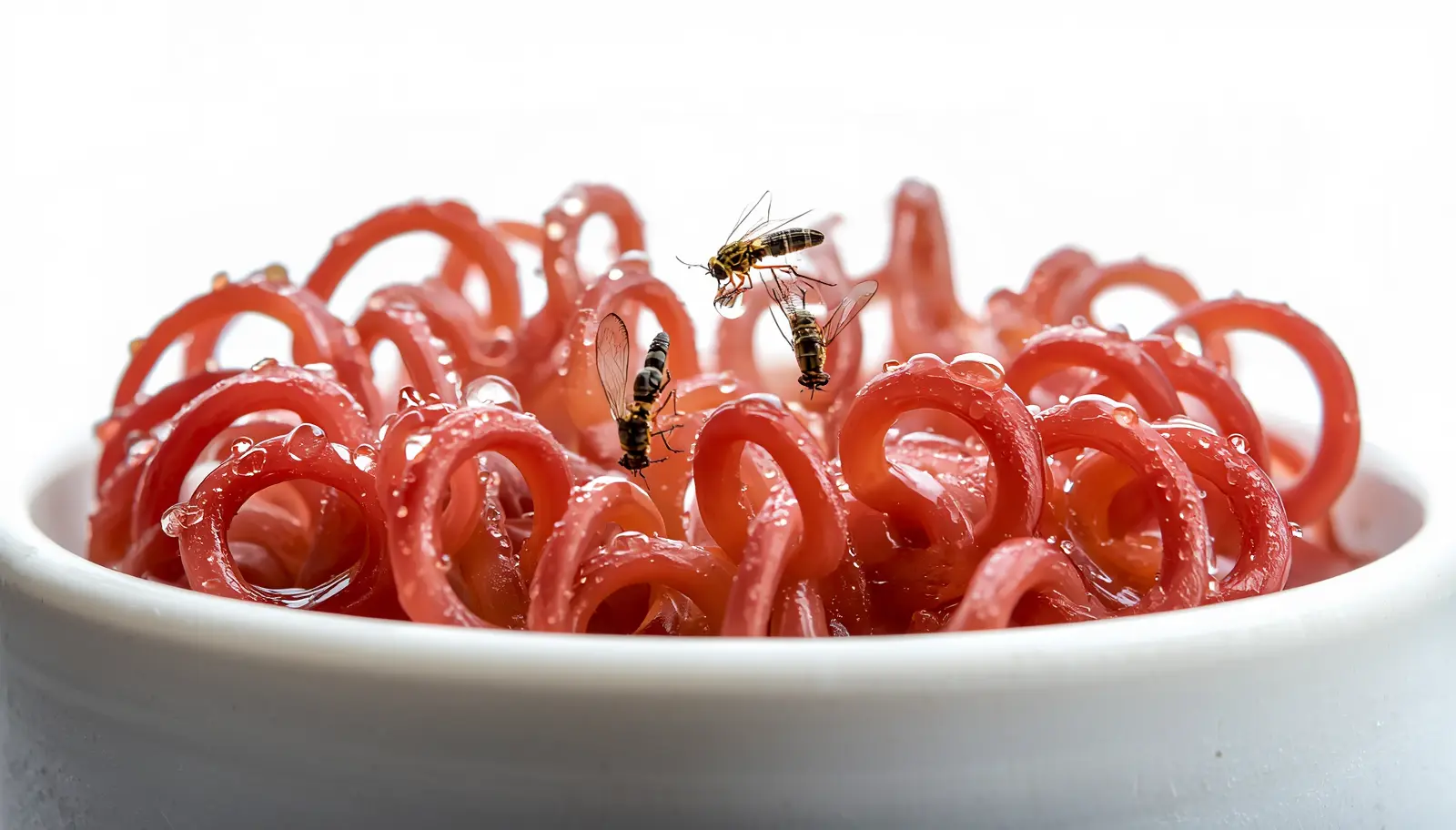
The Lab | Carnivorous Plants vs Fungus Gnats Carnivorous plants for fungus gnats work like living sticky traps: butterworts (Pinguicula) and sundews (Drosera) catch adult … Read more