
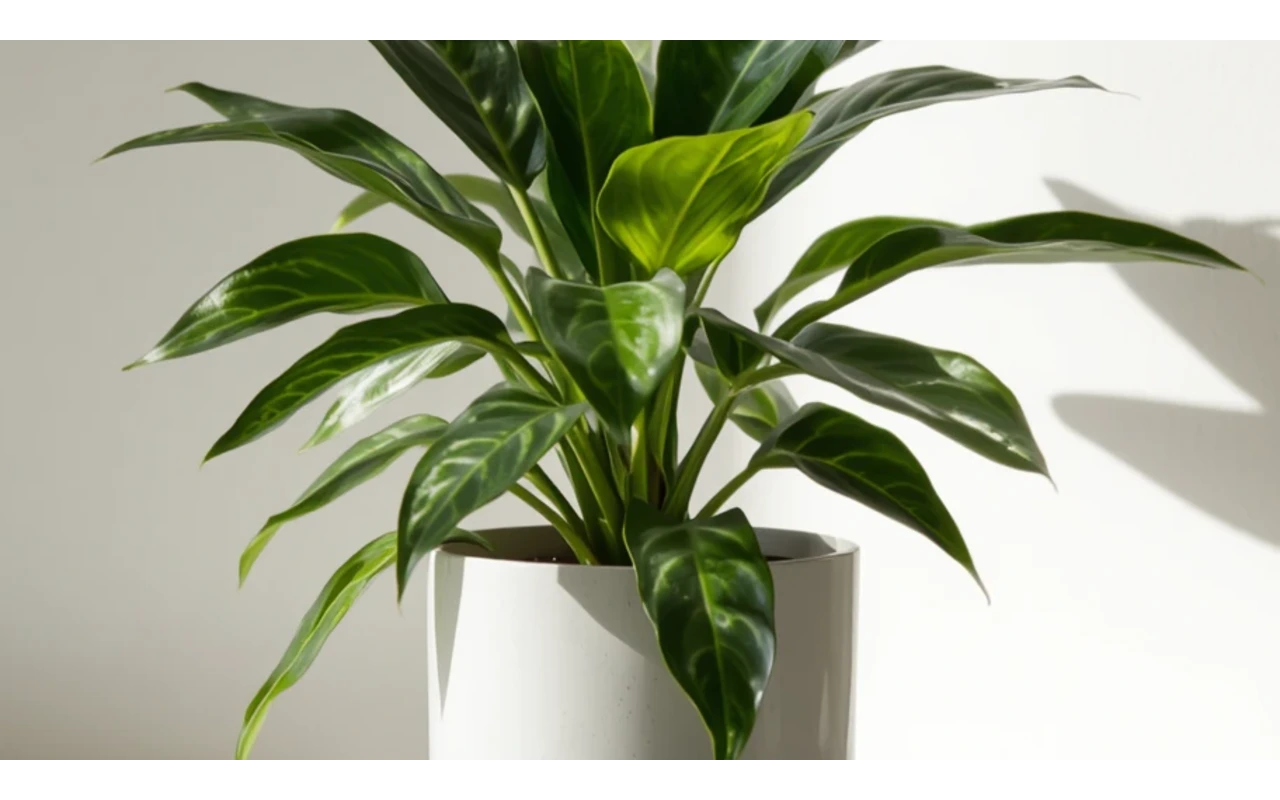
Bottom watering means letting a pot drink from below: you set it in a saucer or bowl of water and the dry potting mix pulls water up through the drainage holes. University of Maryland Extension defines it simply as putting water into the saucer or setting the container in a pot of water. This guide covers how to bottom water plants step by step, when it helps, and the one thing most bottom-watering guides leave out: salts.
How to Bottom Water Plants, Step by Step
- Check that the plant needs water. Maryland Extension says to water when plants need it, not on a schedule, and to check whether the mix is dry about two inches down. Colorado State Extension adds that plants preferring even moisture can be watered when the top layer starts to feel dry, while plants that like to dry out should be checked deeper.
- Use a pot with drainage holes. Water can only wick up through the holes.
- Fill a bowl, sink or tray with room-temperature water. The University of Minnesota Extension African violet guide describes about 1 inch of room-temperature water.
- Set the pot in and wait until the surface of the mix feels moist.
- Lift it out and let it drain. Then empty any water left in the saucer. Both Maryland and Colorado State Extension stress the same rule: never let houseplants sit in water.
How Bottom Watering Works
Dry potting mix acts like a sponge. Standing in shallow water, it draws moisture upward through the drainage holes until the root zone is wet. That is why bottom watering works well on a pot whose mix has dried and pulled away from the sides: water poured on top of shrunken, dry mix can run down the gap and out of the pot without wetting the roots, while a soak from below rewets the whole root ball.
Because the surface is not drenched each time, bottom-watered pots also tend to have a drier top layer. That can help with fungus gnats, which the UC Statewide IPM Program says thrive in moist conditions; UC IPM recommends letting the surface of container soil dry between waterings. See our fungus gnat guide for more.
When Bottom Watering Helps
- Plants whose leaves should stay dry. Minnesota Extension notes that water on African violet leaves can cause leaf spots, and lists bottom watering (along with careful top watering and wicking) as a way to water them.
- Dried-out, shrunken root balls. A soak from below rewets mix that sheds water from the top.
- Small pots and seedlings that a watering can would disturb.
- Several small pots at once, set together in one tray.
It is less practical for large floor plants, and it is unnecessary in self-watering pots, which already supply water from below (see our self-watering pot guide).
How Long to Leave Plants in Water
There is no fixed time; watch the soil, not the clock. Minnesota Extension’s rule is to remove the pot when the soil surface feels moist. Small pots in a light mix may take only a few minutes; large pots, very dry mix or chunky bark mixes take longer. If the surface is still dry after a long soak, the mix may be very compacted or water-repellent: water it from the top as well, or repot into fresh mix.
Do not leave pots soaking for hours or overnight. Colorado State notes that most plants do not tolerate waterlogged soil, and constantly wet mix is the classic route to root rot.
Common Mistakes and Fixes
| Mistake | Why it hurts | Fix |
|---|---|---|
| Leaving the pot standing in the tray | Waterlogged mix; roots run short of air | Remove when the surface is moist, drain, empty the saucer |
| Only ever bottom watering | Salts accumulate in and on the surface of the mix (Colorado State) | Water thoroughly from the top now and then so water runs out of the holes |
| Watering on a fixed schedule | Water needs change with light and season | Check the mix first, as Maryland Extension advises |
| Using softened water | Maryland Extension says softened water should be avoided for houseplants because of its salt content | Use unsoftened tap water, rainwater or filtered water |
| Assuming a moist surface means a wet root ball in a huge pot | The center of a large root ball can stay dry | Lift the pot: a well-watered pot feels noticeably heavier |
Sources: Colorado State Extension PlantTalk 1318; University of Maryland Extension.
Bottom watering does not flush salts
Colorado State Extension says subirrigation can lead to an accumulation of excess soluble salts in and on the surface of the soil, and recommends periodically watering from the top to leach them. The usual sign is a whitish crust on the soil or the rim of the pot. Maryland Extension suggests leaching with at least twice the pot’s volume of water every four to six months. If you already have a crust, see our white crust guide.
Bottom watering also cannot save a plant whose roots are already rotting. If stems are soft and roots brown and mushy, deal with the roots first.
Bottom Watering vs Top Watering
| Bottom watering | Top watering | |
|---|---|---|
| Keeps leaves dry | Yes | Only if you water carefully at soil level |
| Rewets dried, shrunken mix | Well | Water may run down the sides |
| Flushes salts | No; can build them at the surface | Yes, when water runs out of the holes |
| Time | Slower; pots must soak and drain | Faster |
| Extension view | Colorado State calls top watering generally better than subirrigation; use bottom watering where it helps and flush from the top periodically | |
Sources: Colorado State Extension; University of Minnesota Extension; University of Maryland Extension.
The practical answer for most collections is to use both: bottom water the plants that benefit, and give every pot a thorough top watering from time to time. For more on how often to water, see our overwatered vs underwatered guide.
For more on repotting and potting mix, see our guides to how to repot a plant.
Frequently Asked Questions
How long should you bottom water plants?
Until the surface of the potting mix feels moist, then take the pot out, as University of Minnesota Extension advises. Small pots can take a few minutes; large or very dry pots take longer. Do not leave them soaking for hours.
Is bottom watering better than top watering?
Not in general. Colorado State Extension says top watering is generally better than subirrigation because bottom watering can build up salts. Bottom watering is useful for plants whose leaves should stay dry and for rewetting dried-out mix.
How often should you bottom water?
Whenever the plant needs water, not on a schedule. Check the mix first: Maryland Extension suggests feeling about two inches down.
Do you need to top water if you bottom water?
Yes, occasionally. Colorado State recommends periodically watering from the top to leach salts that build up with bottom watering, letting water run out of the drainage holes.
Can you bottom water succulents?
Yes. Soak until the mix is moist, drain fully, and let the mix dry out well before the next watering. See our succulent guide.
Sources
- Colorado State University Extension, PlantTalk 1318: Houseplants Watering
- Colorado State University Extension, PlantTalk 1339: Leaching Salts from Potting Mixes
- University of Maryland Extension: Watering Indoor Plants
- University of Minnesota Extension: African Violets
- UC Statewide IPM Program: Fungus Gnats