Treating Root Rot with Hydrogen Peroxide: Does It Work?
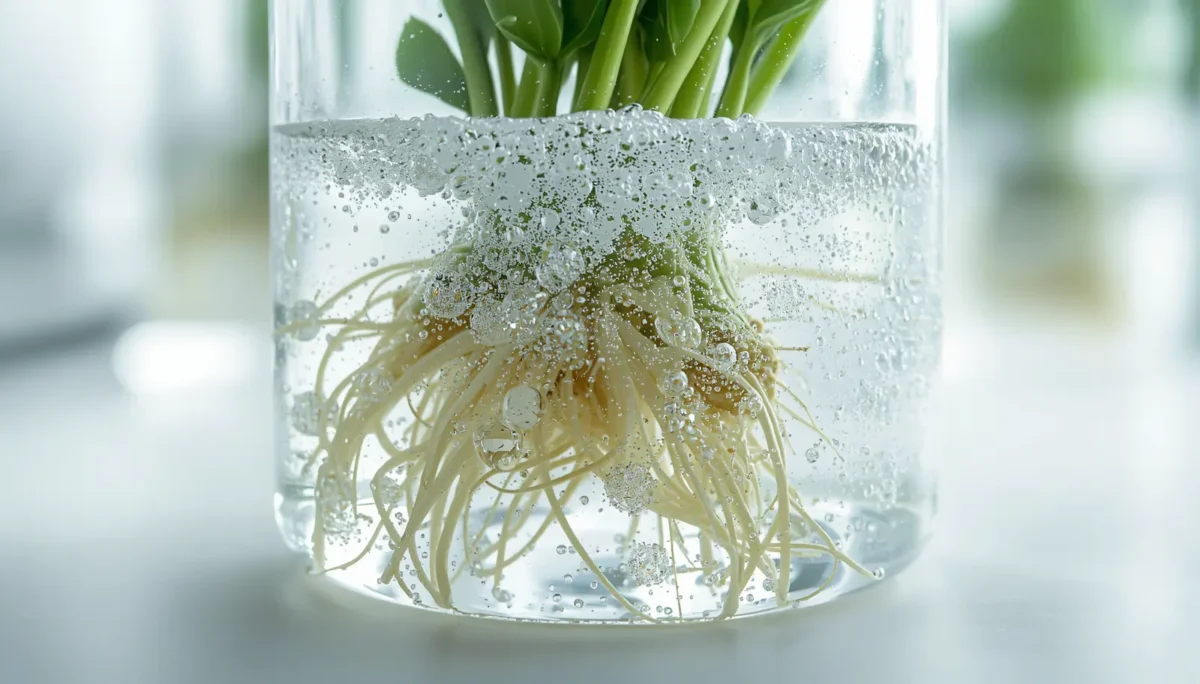
The Lab | Root Rot Treating root rot with hydrogen peroxide is popular advice, but the evidence behind it is thin. Extension plant pathologists recommend … Read more

 Mark Tavis
The Lab | Root Rot Treating root rot with hydrogen peroxide is popular advice, but the evidence behind it is thin. Extension plant pathologists recommend … Read more
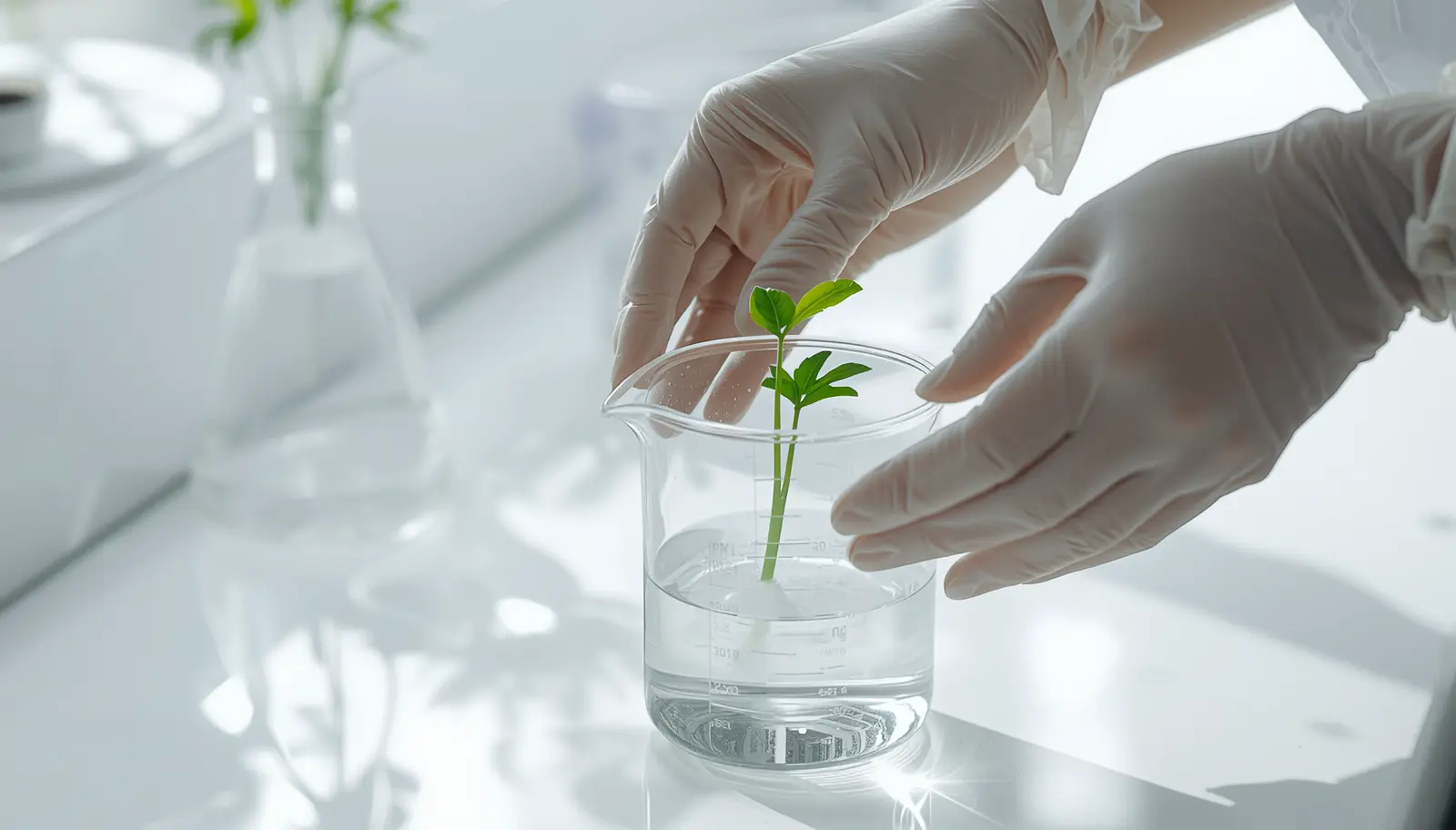
The Lab | Micropropagation Tissue culture acclimation is the slow move of a plantlet from its sealed, humid, sugar-fed container to normal room air. The … Read more
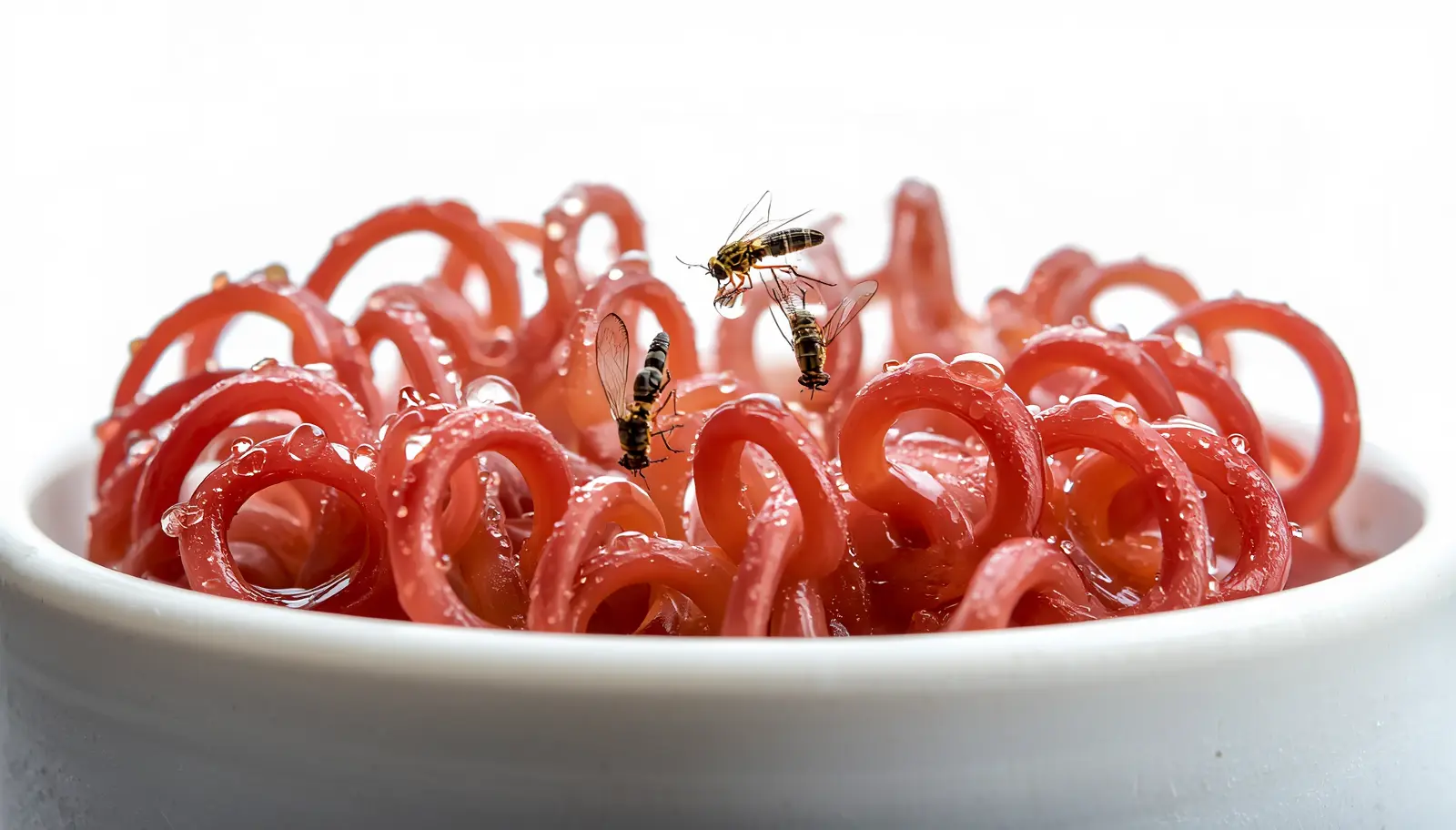
The Lab | Carnivorous Plants vs Fungus Gnats Carnivorous plants for fungus gnats work like living sticky traps: butterworts (Pinguicula) and sundews (Drosera) catch adult … Read more
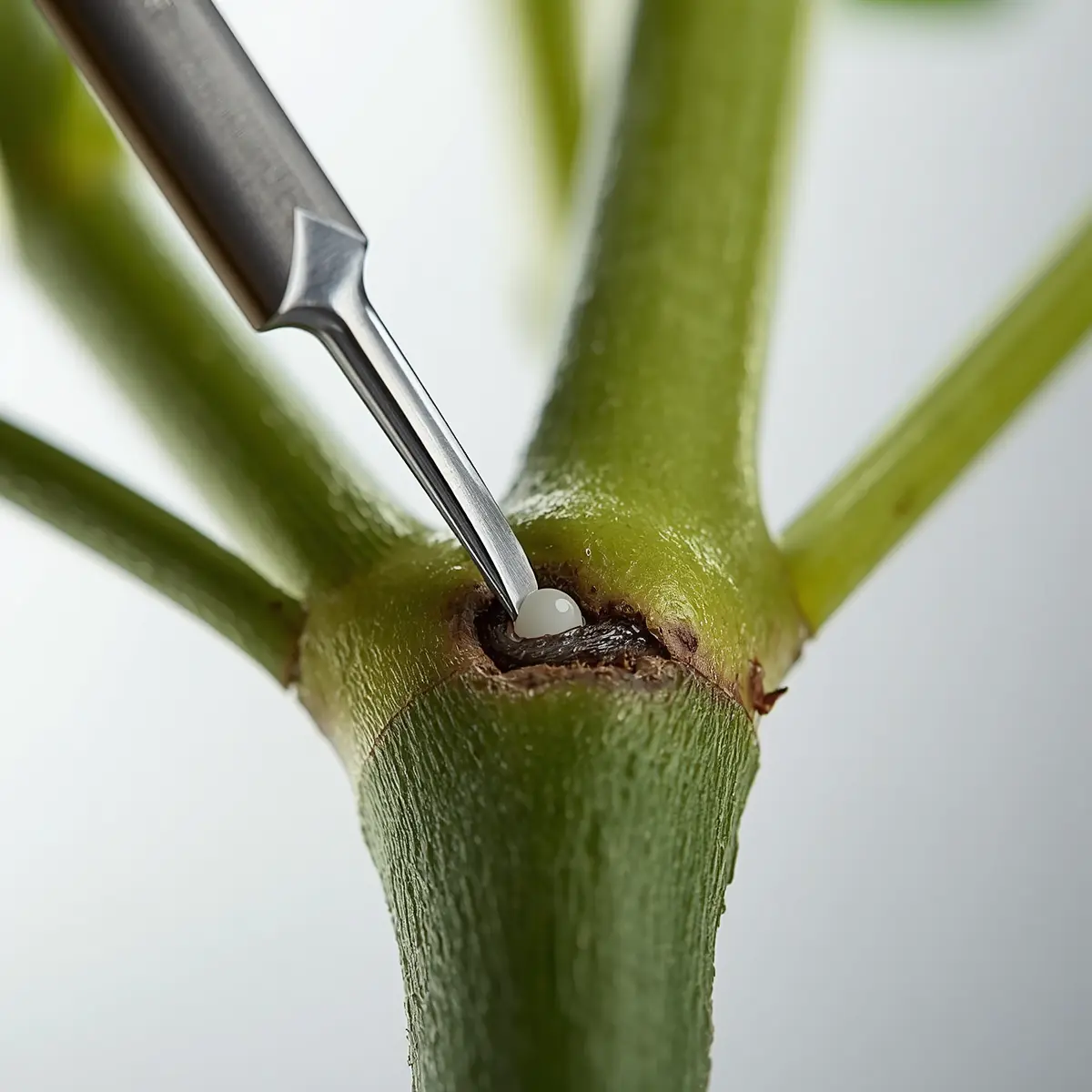
The Lab | Fiddle Leaf Fig Notching Fiddle leaf fig notching means making a small cut through the bark just above a dormant bud on … Read more
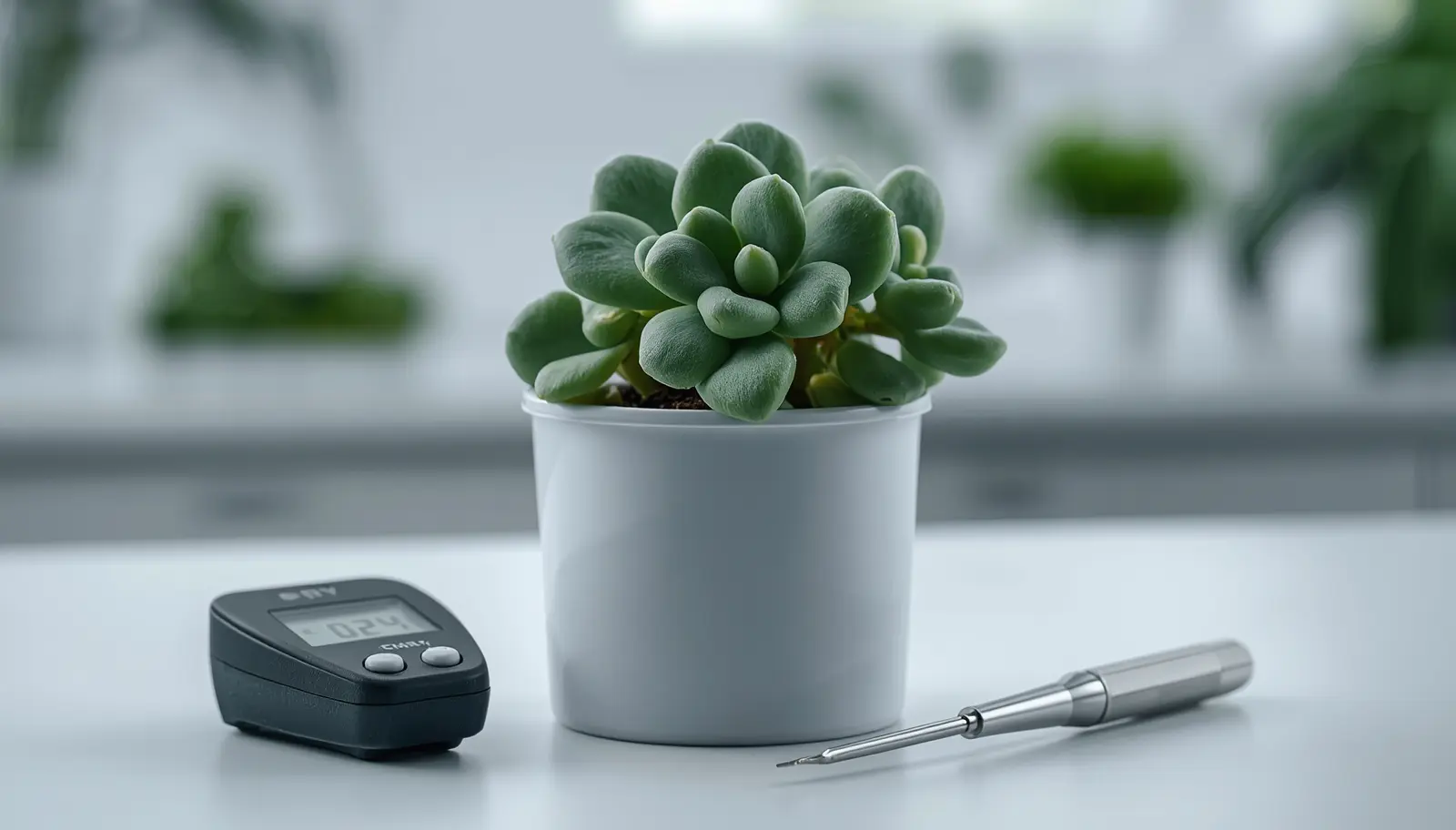
The Infirmary | Crassula ovata Jade plant wrinkled leaves usually mean the plant is short of water. South Dakota State University Extension puts it plainly: … Read more
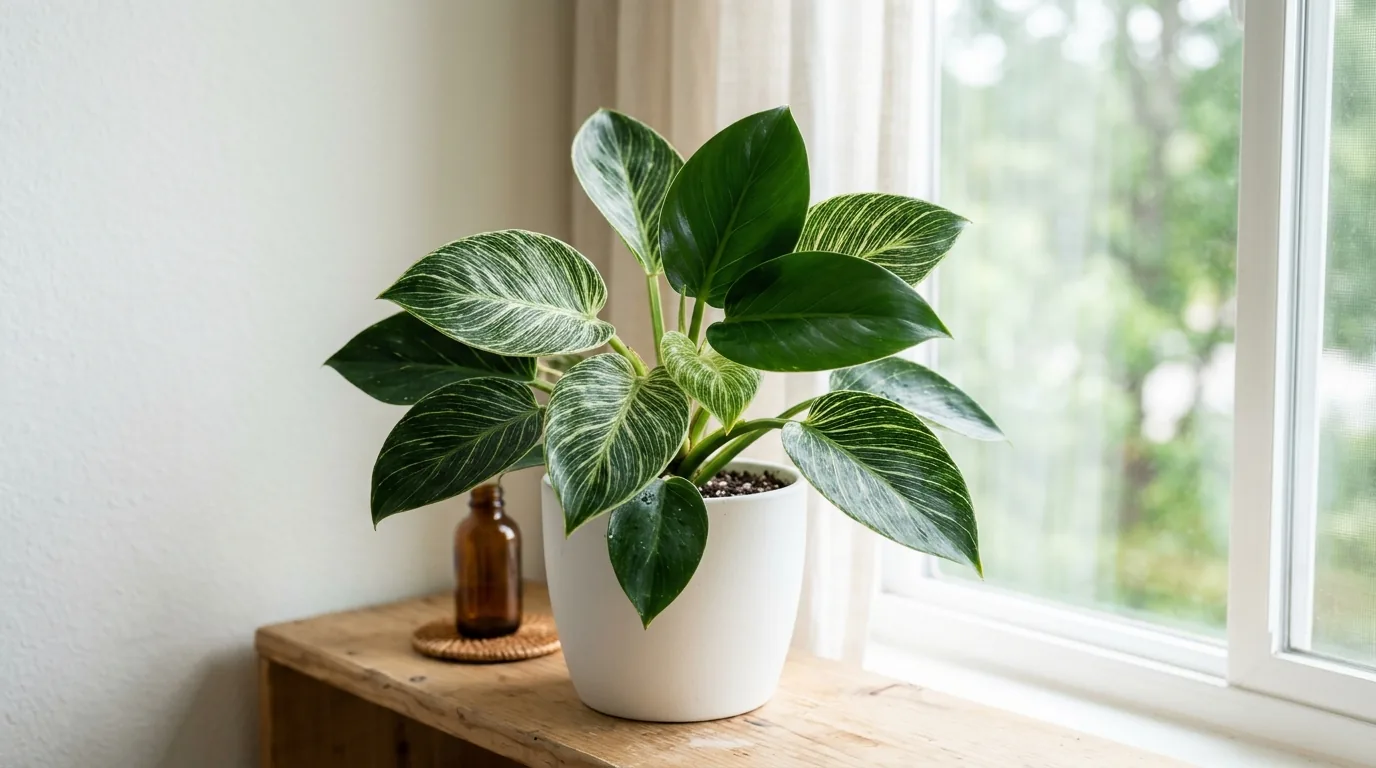
The Infirmary | Birkin Reversion Philodendron Birkin reverting means new leaves come out solid green or dark maroon, without the white pinstripes. It happens because … Read more
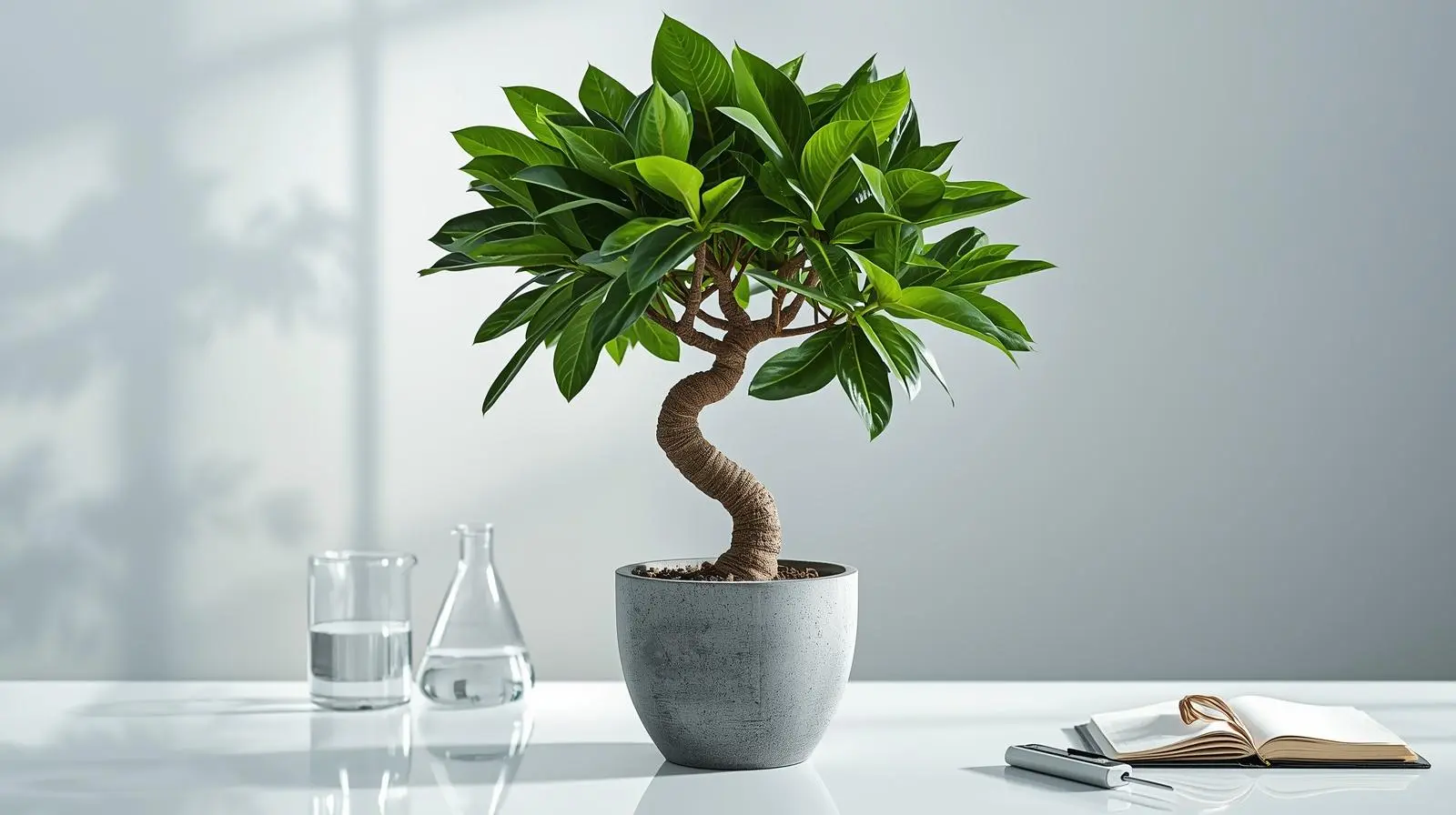
The Infirmary | Pachira aquatica Money tree care is mostly about water and light. NC State Extension says Pachira aquatica prefers indirect sunlight or a … Read more
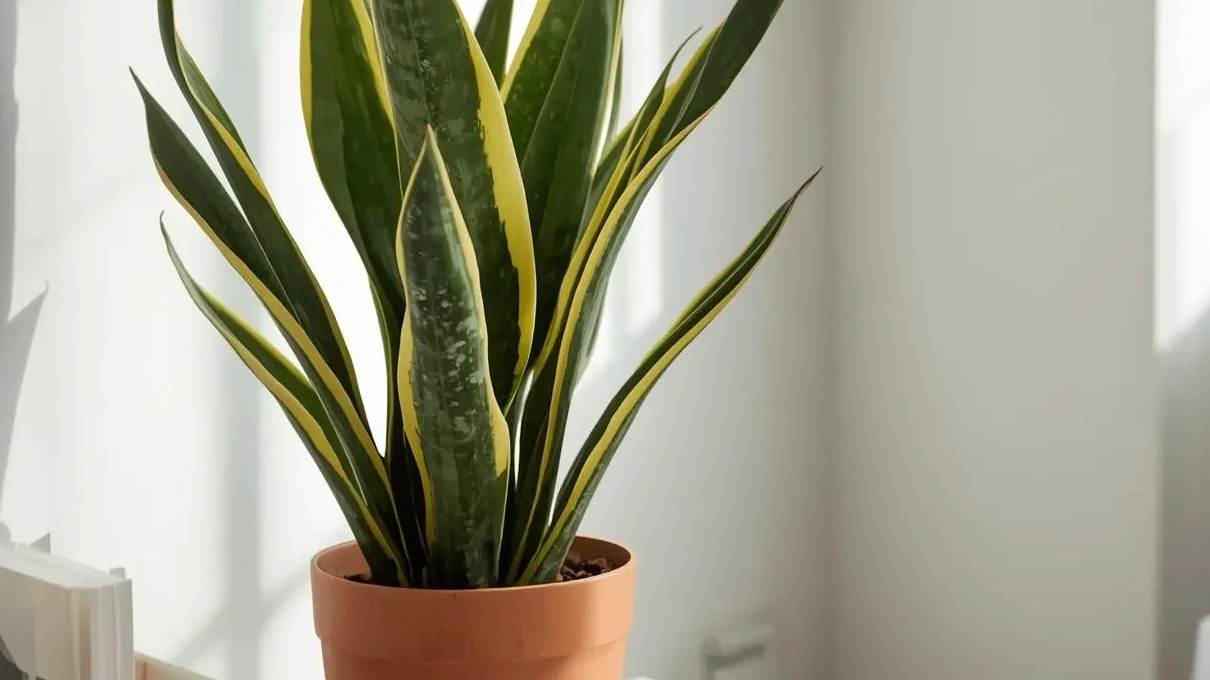
The Lab | Snake Plant Care The snake plant (Dracaena trifasciata, formerly Sansevieria trifasciata) has a reputation as the houseplant you can’t kill. It does … Read more
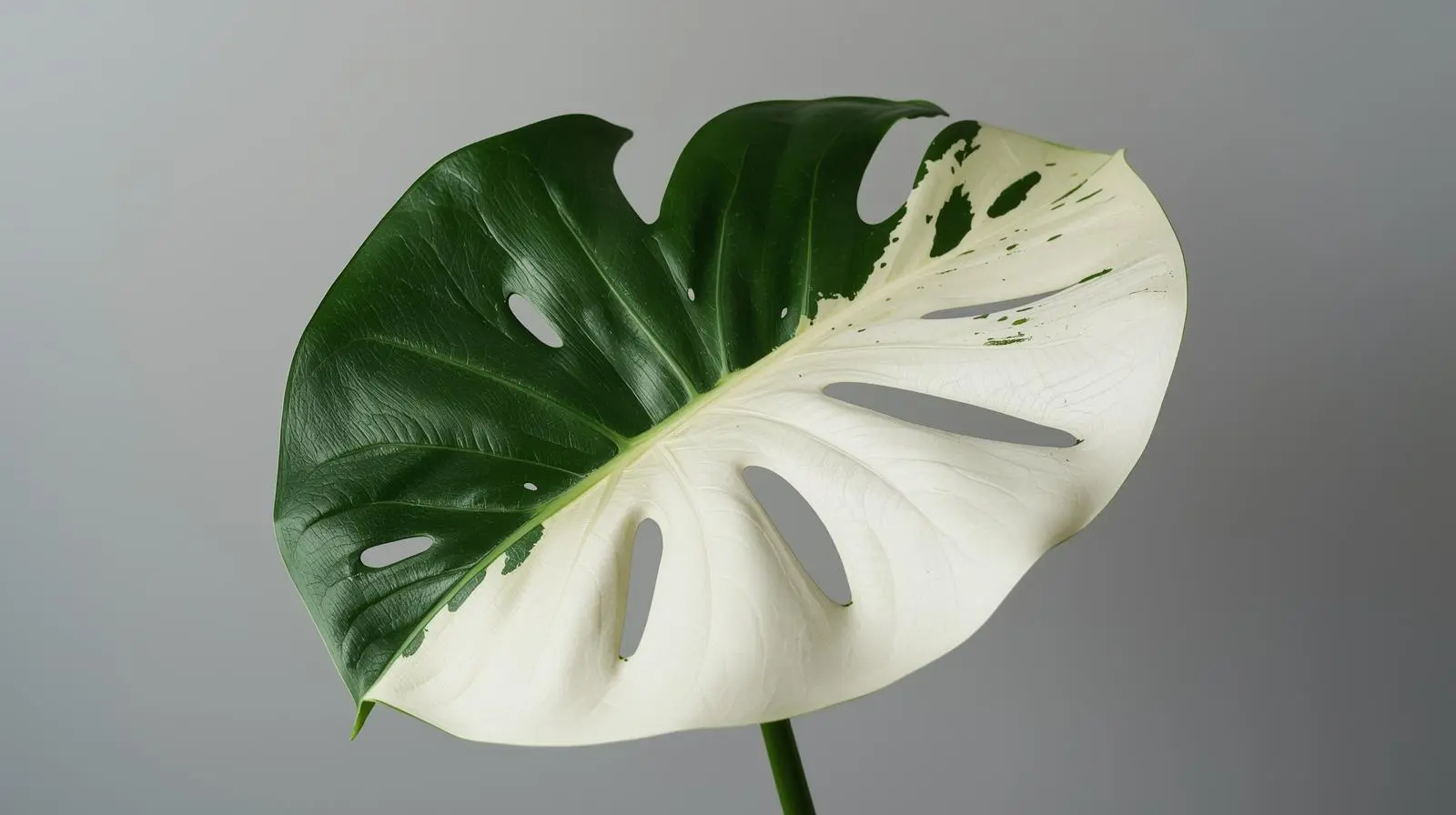
The Lab | Variegated Monstera deliciosa Variegated Monstera deliciosa care is regular monstera care with more light and more caution. NC State Extension says Monstera … Read more