
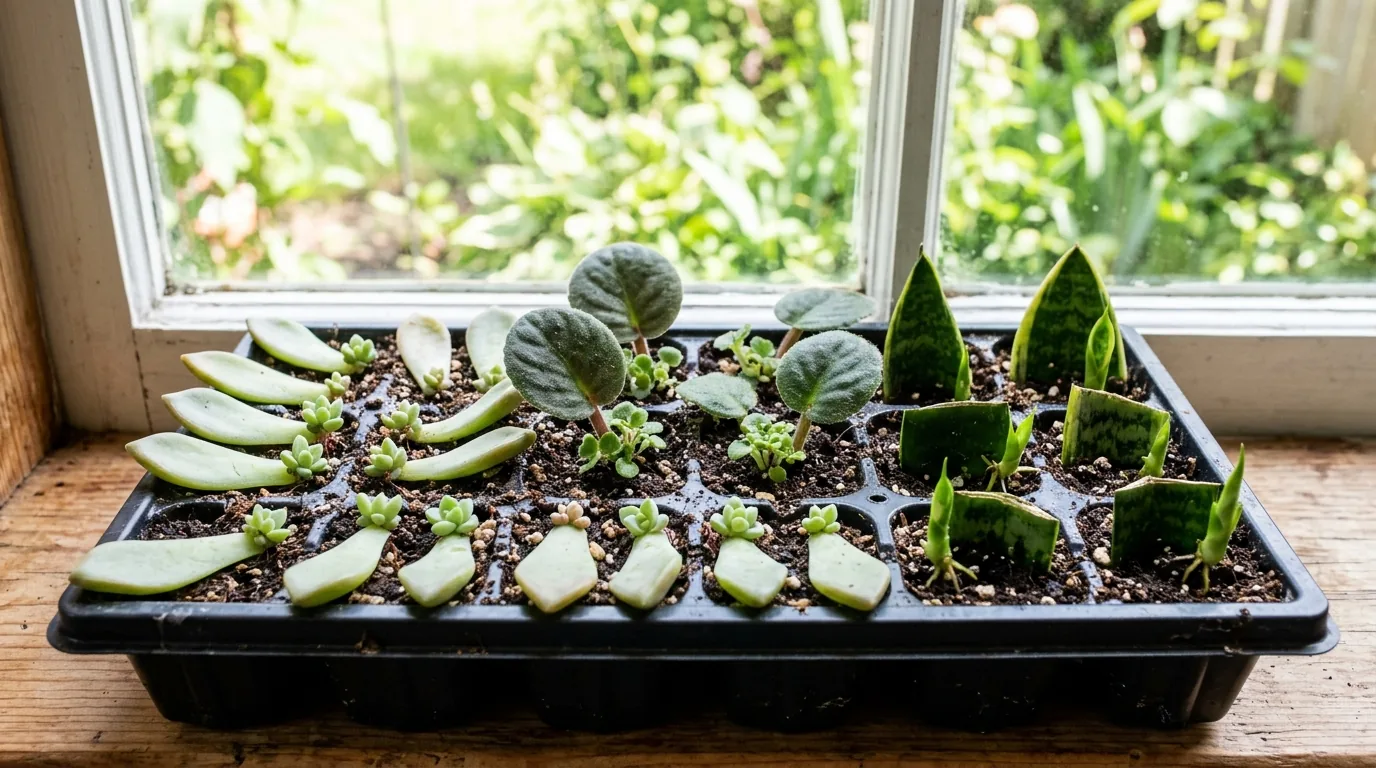
Pinterest is full of trays of single leaves sprouting baby plants, and for the right plants it really is that simple. For the wrong plants, a leaf will sit in a jar for months, grow a few roots and never make a shoot. The difference is biology: some plants can form a new shoot from leaf tissue, while vining plants such as pothos, philodendron and hoya need a node, the point on a stem where a leaf attaches. This guide covers leaf propagation: the plants you can propagate from a leaf, the four leaf-cutting methods, the conditions and timing, rooting in water, and why you can’t propagate a leaf without a node for most vines, following Virginia Tech, Iowa State, the University of Nebraska-Lincoln and the ASPCA.
Plants You Can Propagate From a Leaf
| Plant | Leaf method | Source | Pets (ASPCA) |
|---|---|---|---|
| African violet | Whole leaf with petiole | Virginia Tech, Iowa State | Non-toxic |
| Gloxinia | Whole leaf with petiole | Virginia Tech, Iowa State | Non-toxic |
| Peperomia | Leaf with or without petiole | Virginia Tech, Iowa State | Non-toxic |
| Begonia (rex types) | Leaf with petiole, sections or split vein | Virginia Tech | Toxic |
| Jade plant | Whole leaf, no petiole | Virginia Tech, Iowa State | Toxic |
| ZZ plant | Leaf (leaflet) with petiole | Iowa State | No ASPCA entry |
| Snake plant | Leaf sections | Virginia Tech, UNL | Toxic |
| Kalanchoe | Leaf cuttings | UNL | Toxic |
| Burro’s tail, ghost plant | Whole leaf, no petiole | Virginia Tech | Non-toxic |
Sources: Virginia Cooperative Extension 426-002 (Relf and Ball, reviewed 2025); Iowa State University Extension; University of Nebraska-Lincoln G1853 (Lott and Lindgren, 2012); ASPCA cat and dog plant lists.
4 Leaf Propagation Methods
Virginia Cooperative Extension describes four kinds of leaf cutting. Pick the one that matches the leaf in front of you.
1. Whole leaf with petiole
Cut a healthy leaf with part of its stalk (petiole) and insert the stalk into the rooting medium; new plants form at the base of the petiole. This is the method for African violet, gloxinia, peperomia and begonia. The sources disagree on stalk length: Virginia Tech says up to 1/2 inch, while Iowa State says to leave 1 to 1 1/2 inches and insert it at a 45-degree angle. Either works; a shorter stalk keeps the leaf steadier, a longer one is easier to bury.
2. Whole leaf without petiole
For leaves that attach straight to the stem, such as jade, burro’s tail (donkey’s tail), ghost plant and some peperomias, insert the base of the leaf upright into the medium (Virginia Tech). A new plant forms at the base. For succulent leaves, the University of Nebraska-Lincoln says to let cuttings dry for one to seven days, depending on species and size, so the cut end calluses before planting. Virginia Tech warns that succulent pieces rot if kept too moist.
3. Leaf sections
Some leaves can be cut into pieces. Virginia Tech says to cut snake plant leaves into 2-inch sections, making the lower cut slanted and the upper cut straight so you remember which end goes down, then insert them upright. Begonia leaves can be cut into wedges, each with at least one vein, and laid flat on the medium; a new plant grows at the vein.
4. Split vein
For rex begonia, slit the main veins on the underside of a leaf and lay it flat, cut side down, on the medium. New plants form at each cut. Virginia Tech suggests holding curling edges down with a little medium.
Leaf Propagation Plant by Plant
African violet
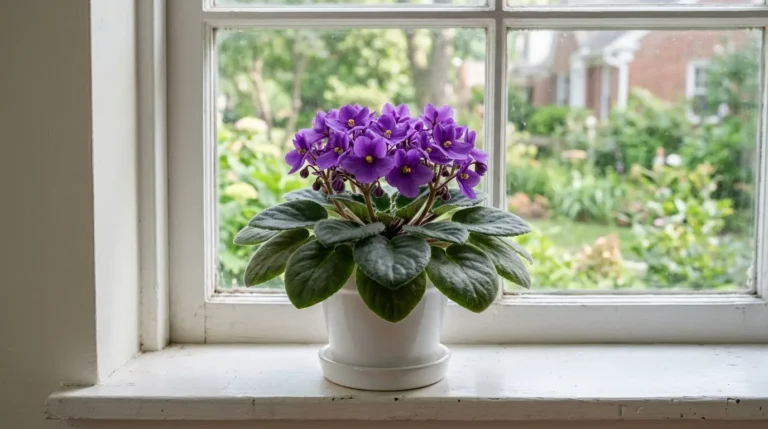
The best-known leaf propagation African violet method is a single leaf with its stalk, set in a light mix under a humidity cover. Iowa State gives roots in three to four weeks and plantlets at the base of the stalk in six to eight weeks. The ASPCA lists African violet as non-toxic. See our African violet care guide.
Peperomia
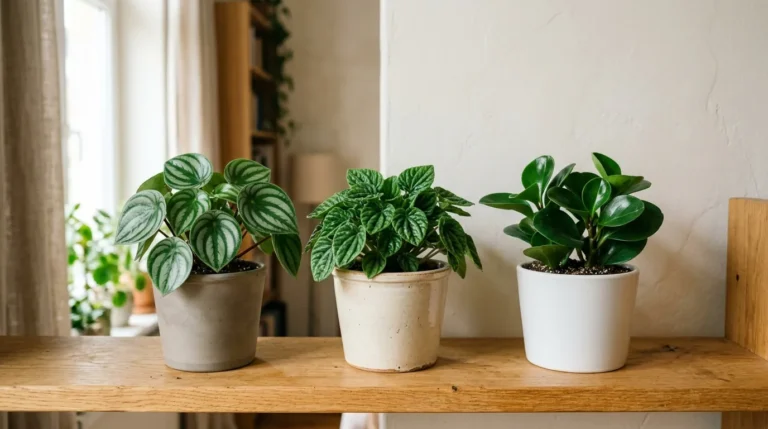
Virginia Tech lists peperomia under both whole-leaf methods, with or without a stalk, and UNL lists it for leaf-bud cuttings too. Iowa State includes peperomia in its leaf-petiole guide, so a firm, healthy leaf can be handled just like an African violet leaf. Peperomias are listed as non-toxic by the ASPCA. See our peperomia care guide.
Begonia
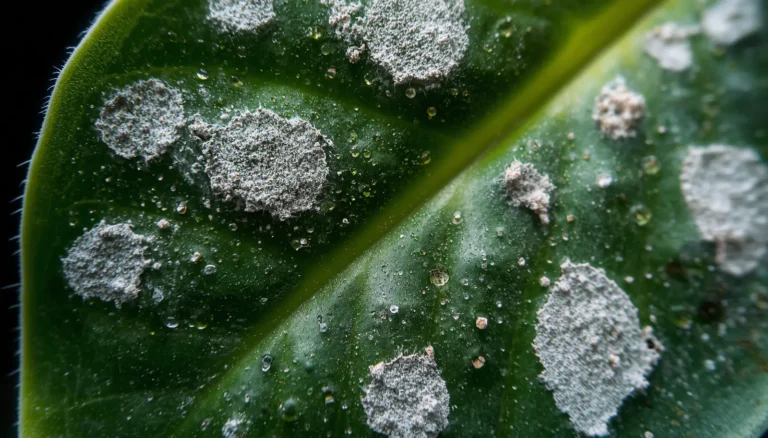
Begonias offer the most options for leaf propagation begonia fans: whole leaves with a stalk, wedge-shaped sections with a vein, or a whole rex begonia leaf with split veins (Virginia Tech). The ASPCA lists begonias as toxic to cats and dogs. See our begonia care guide.
Jade plant
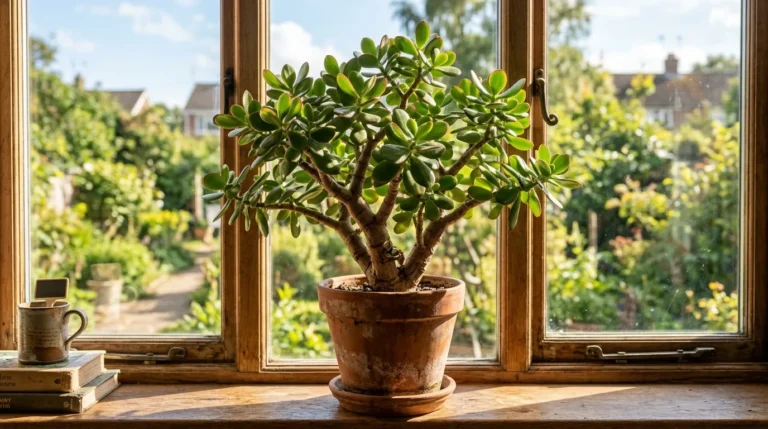
A jade leaf has no stalk, so let it callus for a few days (UNL) and set its base upright in a gritty mix (Virginia Tech). Iowa State lists jade among plants for leaf cuttings. The ASPCA lists jade as toxic to cats and dogs. See our jade plant care guide.
ZZ plant
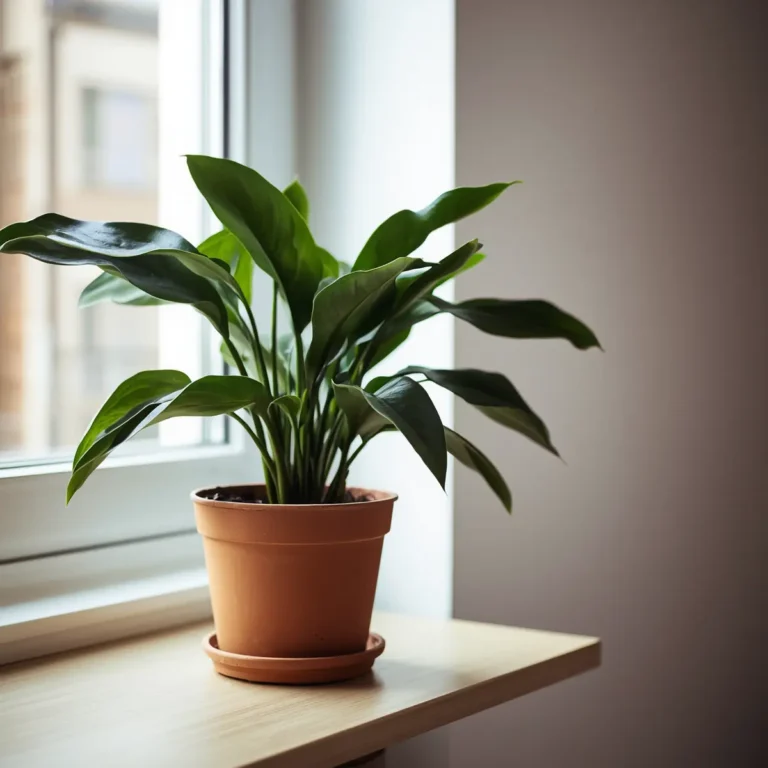
Iowa State includes ZZ plant (Zamioculcas zamiifolia) in its leaf-petiole cutting guide. Iowa State’s timings are typical figures, and slow growers like ZZ plant can take longer, so be patient. The ASPCA has no entry for ZZ plant. See our ZZ plant care guide.
Snake plant
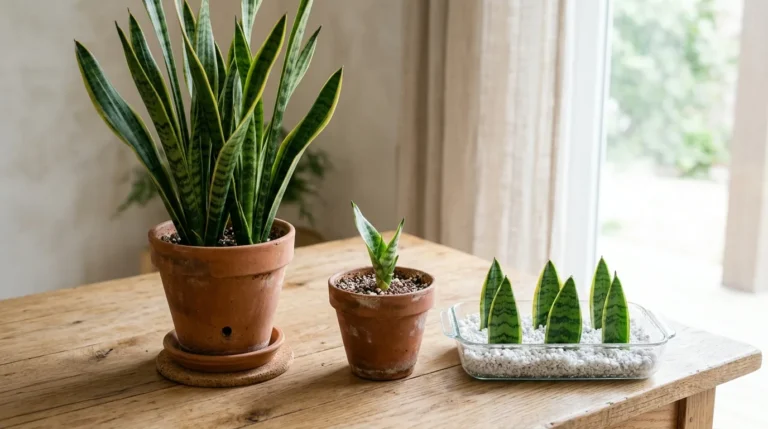
Snake plant leaf sections root, but Virginia Tech warns that on variegated snake plants the new shoot grows from cells that lack the variegation, so a yellow-edged leaf gives an all-green plant. Divide the plant instead to keep the yellow edges. The ASPCA lists snake plant as toxic. See our snake plant propagation guide.
Kalanchoe and other succulents
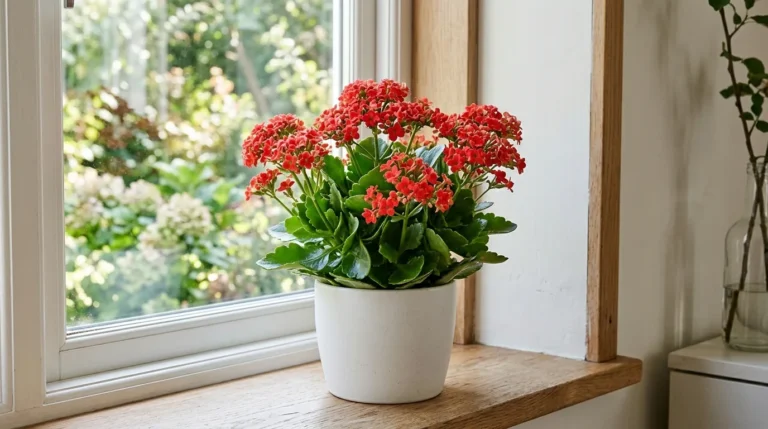
UNL lists flaming Katy, panda plant and other kalanchoes for leaf cuttings, and Virginia Tech adds burro’s tail and ghost plant. Let succulent leaves callus first and keep the mix only lightly moist. The ASPCA lists kalanchoe as toxic, and burro’s tail, ghost plant and echeveria as non-toxic. See our guides to kalanchoe care and growing succulents.
Conditions and Timing
| Factor | Guidance | Source |
|---|---|---|
| Medium | Perlite, sand, vermiculite, coarse sphagnum or peat-based mixes; potting soil only as part of a mix | Iowa State |
| Humidity | Plastic dome or bag held off the leaves, left loose for air exchange | Iowa State, Virginia Tech |
| Light | 4 to 6 hours of bright, indirect light | Iowa State |
| Temperature | 65 to 75°F air; a heat mat can warm the medium to 75 to 80°F | Iowa State |
| Roots | Usually 3 to 4 weeks | Iowa State |
| Plantlets | Usually 6 to 8 weeks | Iowa State |
| Succulent leaves | Dry 1 to 7 days before planting | UNL |
Sources: Iowa State University Extension (leaf-petiole cuttings); Virginia Cooperative Extension 426-002; UNL G1853.
Virginia Tech recommends a clean, low-fertility medium, since excess fertilizer can damage new roots, and a 50/50 peat and perlite mix when you want more air. Once the plantlets have their own roots, Iowa State says to pot them in regular potting mix and separate them gently if several formed together. For the next step, see our guide on how to repot a plant.
Leaf Propagation in Water
The extension guides above all root leaves in a moist medium, not water. Home growers often root snake plant sections in water anyway, but succulent leaves such as jade and burro’s tail tend to rot in it, and Virginia Tech already warns that succulent pieces rot when kept too moist. If you try leaf propagation in water, keep only the cut end submerged, change the water once or twice a week, and pot the cutting when roots are about 1 inch long, which is Iowa State’s guidance for water-rooted cuttings. If the base turns soft, see our guide to cuttings rotting in water.
Can You Propagate a Leaf Without a Node?
Only for the plants above. For vining and climbing houseplants, a leaf on its own can grow roots but has no bud to make a new stem. Iowa State says hoya leaf cuttings need an attached node to grow into a vine, which is why single heart-shaped Hoya kerrii leaves often never grow (see our Hoya kerrii single leaf guide). The same applies to pothos, philodendron and monstera: take a stem cutting with at least one node, as in our pothos propagation guide. Rubber plant is propagated from a leaf with a piece of stem and its bud (a leaf-bud cutting), covered in our rubber plant propagation guide.
Common Problems
| Problem | Likely cause | Fix |
|---|---|---|
| Leaf turns mushy at the base | Medium too wet, or a succulent leaf planted without callusing | Use a lighter mix, let succulent leaves dry 1 to 7 days (UNL), water less |
| Rot under the plastic cover | Cover touching leaves or no air exchange | Prop the cover off the leaves and leave it loose (Iowa State) |
| Leaf scorched under the cover | Too much direct light | Give bright, indirect light only (Iowa State) |
| Roots but no shoot | Slow plant, cool room, or a vine leaf with no node | Add warmth (65 to 75°F); for vines, use a stem cutting |
| Snake plant baby is all green | Variegation is lost from leaf cuttings (Virginia Tech) | Divide the plant to keep variegation |
| Section rotted from the top | Planted upside down | Mark the bottom with a slanted cut (Virginia Tech) |
Frequently Asked Questions
What plants can you propagate from a leaf?
African violet, gloxinia, peperomia, begonia, jade plant, ZZ plant, snake plant, kalanchoe, burro’s tail and ghost plant are listed for leaf cuttings by Virginia Tech, Iowa State and UNL.
How long does leaf propagation take?
Iowa State says roots usually form in three to four weeks and plantlets appear at the base of each leaf stalk in six to eight weeks. Succulents and ZZ plant can take longer.
Can you propagate a leaf without a node?
Yes for leaf-cutting plants such as African violet, peperomia, begonia and jade, which form new plants from leaf tissue. No for vines such as pothos, philodendron, monstera and hoya: Iowa State says hoya leaf cuttings need an attached node to grow into a vine.
Can you do leaf propagation in water?
The extension guides root leaves in a moist medium. Snake plant sections are often rooted in water at home, but Virginia Tech warns that succulent pieces rot when kept too moist. If you use water, change it once or twice a week and pot the cutting at about 1 inch of root (Iowa State).
How much of the stem should I leave on an African violet leaf?
Sources differ: Virginia Tech says up to 1/2 inch of leaf stalk, Iowa State says 1 to 1 1/2 inches inserted at a 45-degree angle.
Why did my variegated snake plant leaf cutting grow all green?
Virginia Tech explains that the new shoot develops from cells that lack the variegation. To keep yellow edges, propagate by division.
Do I need rooting hormone for leaf cuttings?
It is optional. Iowa State says you can treat the end of the leaf stalk with a rooting hormone (IBA or NAA) following the label, but many leaf cuttings root without it.
Sources
- Relf, D. and Ball, E. Virginia Cooperative Extension 426-002: Propagation by Cuttings, Layering and Division (reviewed 2025)
- Iowa State University Extension: How to Propagate Houseplants by Leaf Petiole Cuttings
- Iowa State University Extension: All About Hoyas
- Iowa State University Extension: How to Propagate Houseplants by Stem Tip Cuttings
- Lott, D. and Lindgren, D. University of Nebraska-Lincoln G1853: Propagating House Plants (2012)
- ASPCA: Toxic and Non-Toxic Plant List, Cats
- ASPCA: Toxic and Non-Toxic Plant List, Dogs