
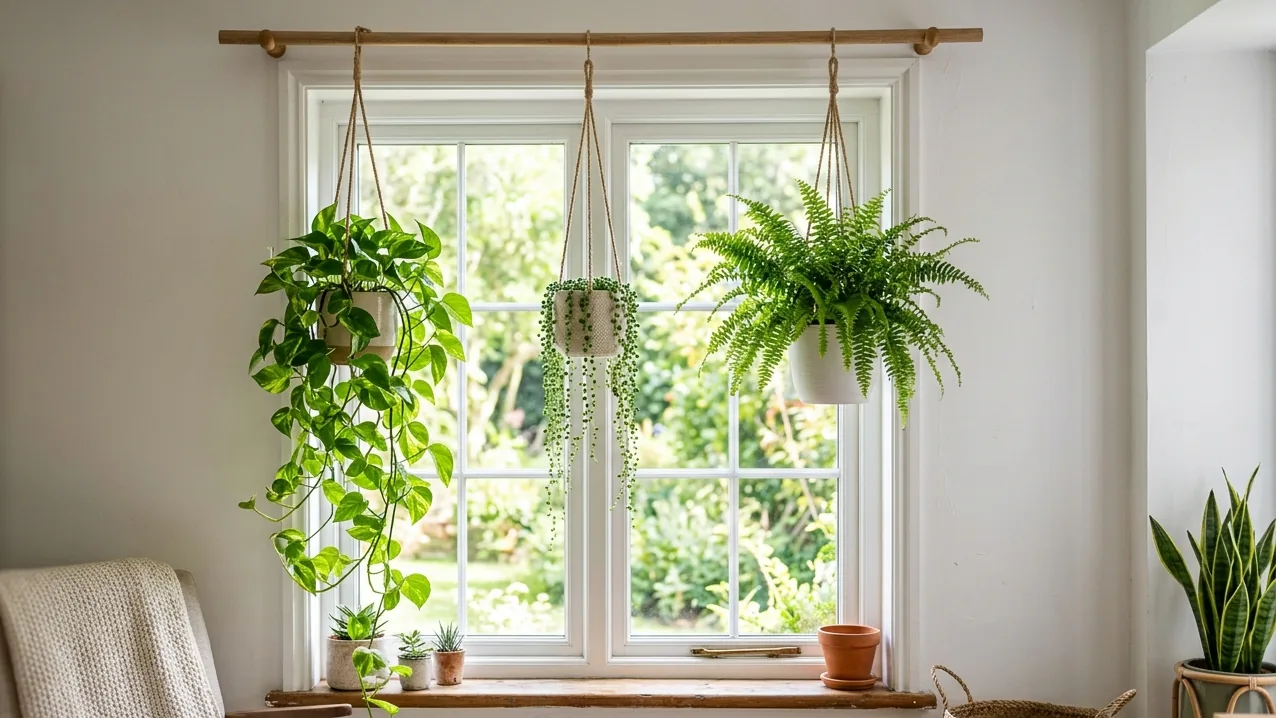
Trailing plants turn an empty corner, a bare window or a high shelf into something green without using floor space. The trick is matching the plant to the light it will actually get up near the ceiling. This guide picks the 10 best indoor hanging plants, sorted by light, with the ones that work as indoor hanging plants for low light, the indoor hanging plants safe for cats and dogs according to the ASPCA, and the most forgiving low maintenance hanging plants. Each pick links to our full care guide, which follows extension sources such as NC State, Clemson HGIC, UW-Madison, UF/IFAS and the RHS.
Indoor Hanging Plants at a Glance
| Plant | Light | Water | Cats and dogs |
|---|---|---|---|
| Pothos | Bright indirect; tolerates lower light | When the soil has dried | Toxic (ASPCA) |
| Heartleaf philodendron | Bright indirect; tolerates very low light | When the top inch is dry | Toxic (ASPCA) |
| Satin pothos | Bright indirect | When the top 1 to 2 inches are dry | Toxic (ASPCA) |
| Spider plant | Bright indirect, no strong sun | Let it dry slightly between waterings | Non-toxic (ASPCA) |
| Boston fern | Bright indirect; needs humidity | Keep consistently moist | Non-toxic (ASPCA) |
| Lipstick plant | Bright, filtered | Freely in growth, sparingly in winter | Non-toxic (ASPCA) |
| Hoya | Brightest spot without hot midday sun | When the mix is nearly dry | Non-toxic (ASPCA) |
| String of pearls | Bright, east or west window | Lightly, when the mix has dried | No ASPCA entry; NC State calls it mildly toxic |
| String of hearts | Bright light, west or south window | Only when the mix has dried | No ASPCA entry |
| Asparagus fern | Bright indirect | Evenly moist spring to fall | Toxic (ASPCA) |
Sources: ASPCA Toxic and Non-Toxic Plant Lists (checked October 2026); care details from the extension sources cited in each linked guide.
1. Pothos
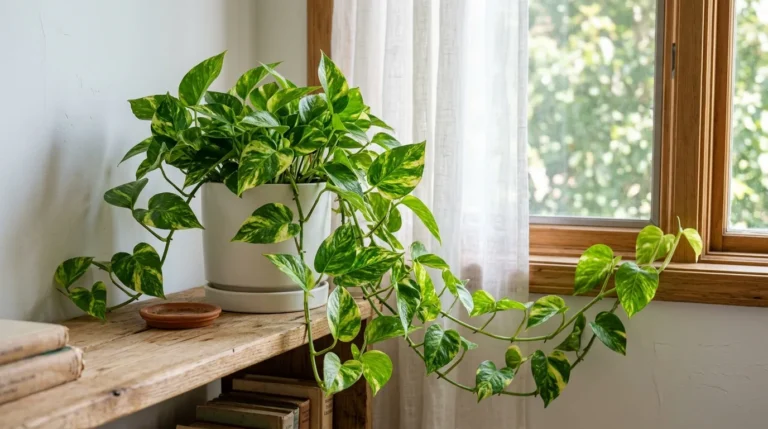
The classic hanging plant and the easiest to keep alive. Pothos prefers bright, indirect light but tolerates lower light, although variegated types lose some color there. Water thoroughly only after the soil has dried; overwatering is the main way people kill it. Long vines can be trimmed and rooted to fill the basket. Pothos is toxic to cats and dogs (ASPCA). Full guide: pothos care.
2. Heartleaf Philodendron
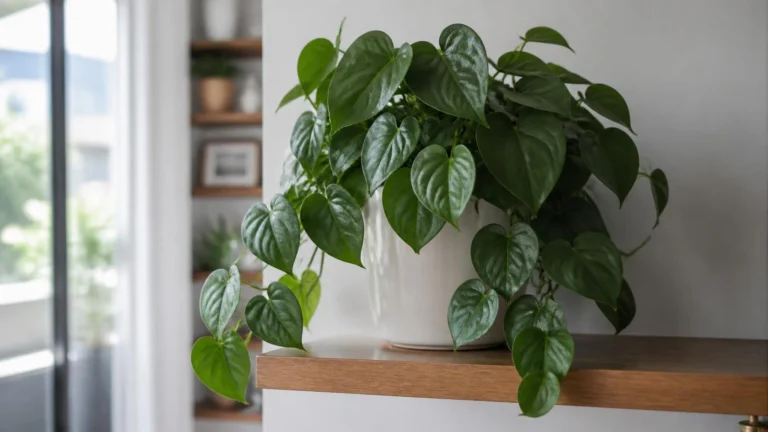
The best pick for a dim spot. It tolerates very low light, though it grows thinner there, and does best in bright, indirect light. Water when the top inch of soil is dry and keep it at normal room temperatures (Iowa State gives 65 to 80°F). Pinch long stems to keep the basket full. It is toxic to cats, dogs and horses (ASPCA). Full guide: heartleaf philodendron care.
3. Satin Pothos
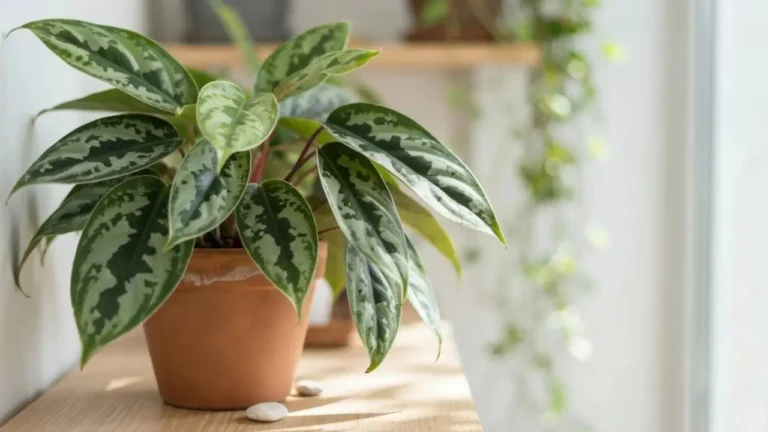
Scindapsus pictus has matte, silver-splashed leaves that look great trailing. Give it bright, indirect light, water when the top 1 to 2 inches of mix are dry, and keep it at 65 to 85°F. The ASPCA lists satin pothos as toxic to cats, dogs and horses. Full guide: Scindapsus pictus care.
4. Spider Plant
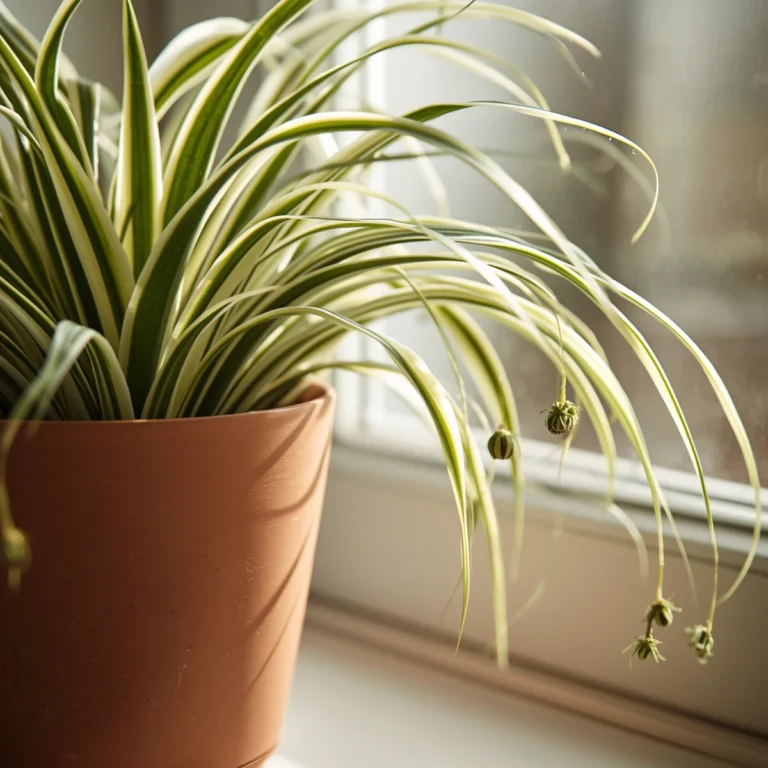
A pet-safe favorite whose dangling plantlets look made for a hanging basket. Give it bright, indirect light out of strong sun and let the soil dry slightly between thorough waterings. NC State, UF/IFAS and the RHS link brown tips to fluoride, so use rainwater or distilled water if your tap water is fluoridated. Keeping it slightly pot-bound encourages more babies. The ASPCA lists it as non-toxic to cats and dogs. Full guide: spider plant care.
5. Boston Fern
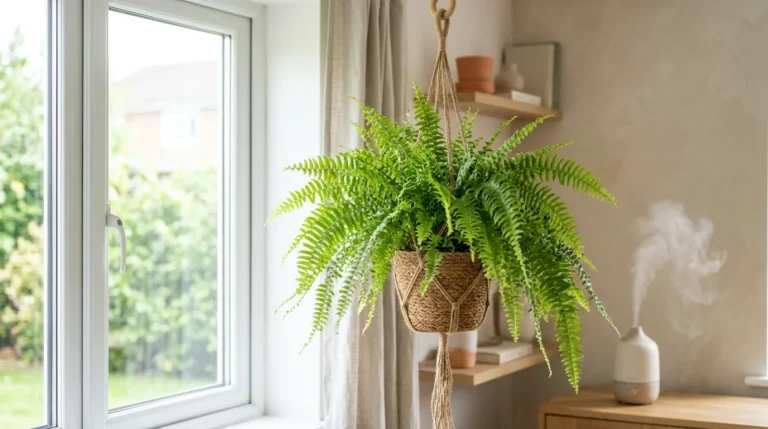
The traditional porch and bathroom hanging plant. NC State recommends bright, indirect light, 60 to 70°F, consistently moist soil and high humidity. Brown, crispy fronds indoors almost always mean dry air or dry soil, so it suits a bright bathroom or kitchen. Boston fern is non-toxic to cats and dogs (ASPCA). Full guide: Boston fern care indoors.
6. Lipstick Plant
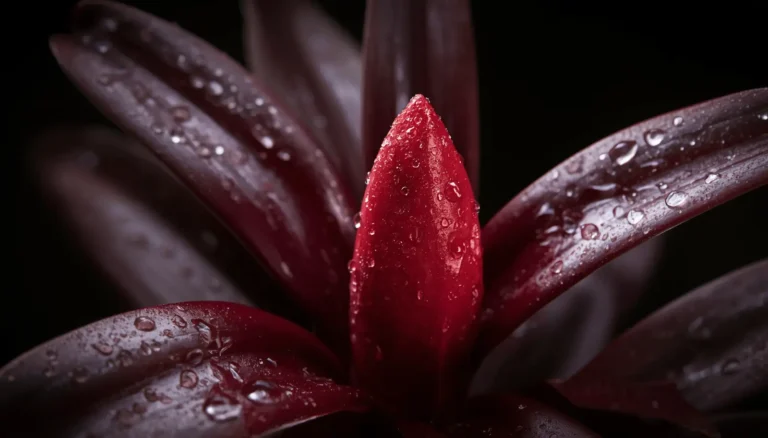
A trailing plant with red tubular flowers. NC State and the RHS recommend bright, filtered or indirect light, never full sun; keep it above 15°C (59°F) with some humidity, water freely while it grows and sparingly in winter. Trim long stems after flowering. The ASPCA lists it as non-toxic. Full guide: lipstick plant care.
7. Hoya
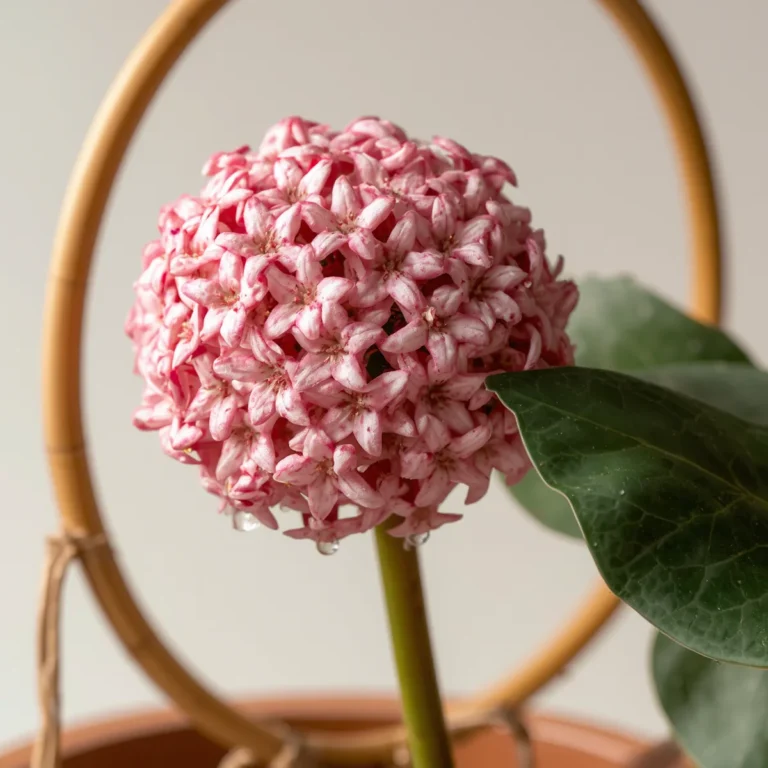
Waxy leaves and, in good light, clusters of scented star-shaped flowers. Give it the brightest spot you have without hot midday sun, a chunky mix (the RHS suggests equal parts orchid bark, peat-free compost and coarse perlite), and water only when the mix is nearly dry. Keep it above 50°F (10°C), don’t move it once buds form, and leave old flower spurs on the plant. The ASPCA lists Hoya carnosa as non-toxic to cats and dogs. Full guide: hoya care.
8. String of Pearls
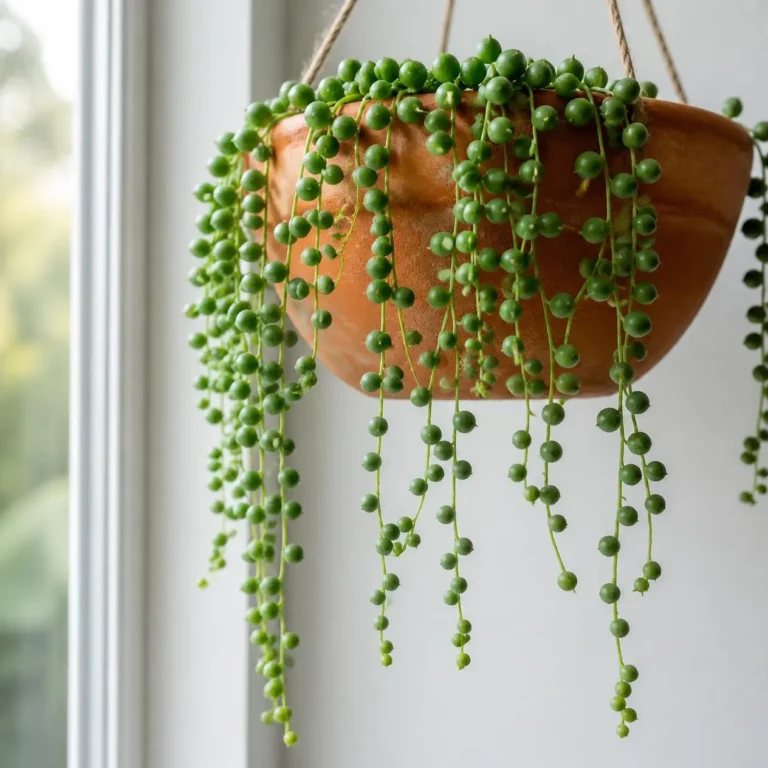
A succulent whose bead-like leaves hang in long strands. The RHS recommends bright light, such as an east or west window, out of hot midday sun, in a cactus mix in a pot with drainage. Water lightly when the mix has dried and the pearls just start to look a little shriveled (UW-Madison), and sparingly in winter; root rot from overwatering is the most common cause of death. The ASPCA has no entry for it; NC State calls it mildly toxic, and its sap can irritate skin. Full guide: string of pearls care.
9. String of Hearts
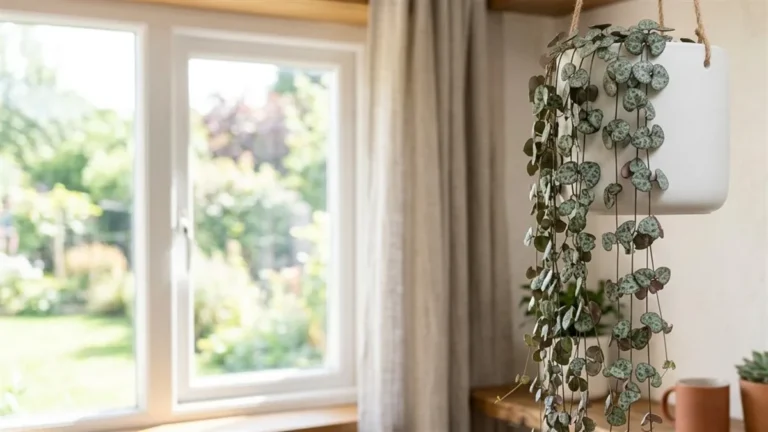
Thin trailing stems of small, silver-marbled heart-shaped leaves. UW-Madison suggests a west or south window, while NC State says bright, indirect light. Use a cactus and succulent mix and water only when the mix has dried; overwatering is the main way it dies (UW-Madison). The ASPCA has no entry for it. Full guide: string of hearts care.
10. Asparagus Fern
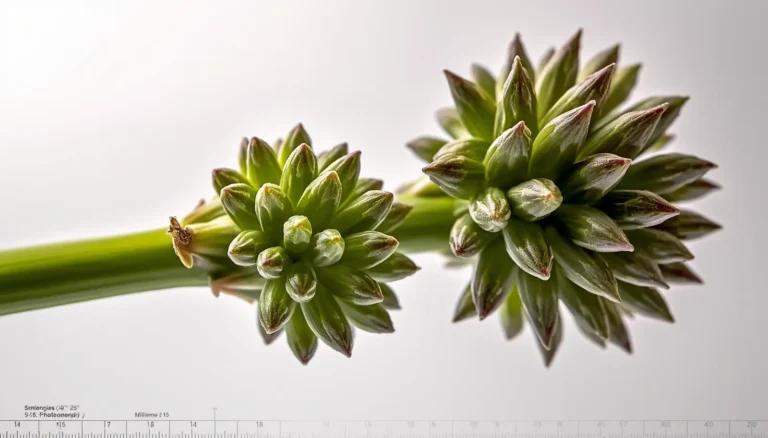
Not a true fern, but its arching, feathery stems fill a basket fast. Give it bright, indirect light (Sprenger’s asparagus also takes some direct sun), keep the soil evenly moist from spring to fall, and water less in winter. Yellowing, dropping needles usually mean a watering or light problem. The ASPCA lists asparagus fern as toxic to cats and dogs. Full guide: asparagus fern care.
Tips for Hanging Plants Indoors
- Use drainage and a catch tray. Choose a pot with drainage holes and a saucer or liner so water doesn’t drip.
- Hang it where you can reach it. High plants are easy to forget; a pulley hook or a lower shelf makes watering a habit.
- Use a strong anchor. A pot full of wet soil is heavy, so screw hooks into a ceiling joist or use a rated anchor.
- Turn and trim. Rotate the pot now and then so all sides get light, and trim leggy vines to keep the top full; see how to prune houseplants.
- Watch the heat. Warm air collects near the ceiling in winter, and dry air browns ferns; see how to increase humidity for plants.
Frequently Asked Questions
What are the best indoor hanging plants?
Pothos, heartleaf philodendron, spider plant, Boston fern, hoya, string of pearls, string of hearts, lipstick plant, satin pothos and asparagus fern are reliable choices; pick by the light you have.
What are the best indoor hanging plants for low light?
Heartleaf philodendron tolerates very low light and pothos tolerates lower light, though both grow fuller and keep their color better in bright, indirect light.
Which indoor hanging plants are safe for cats?
The ASPCA lists spider plant, Boston fern, hoya (Hoya carnosa) and lipstick plant as non-toxic to cats and dogs. Pothos, philodendron, satin pothos and asparagus fern are toxic.
What is the most low maintenance hanging plant?
Pothos is the easiest for most homes: it tolerates lower light and only needs water once the soil has dried. Spider plant is the easiest pet-safe option.
Which hanging plants like direct sunlight?
String of pearls and string of hearts like bright light such as an east, west or south window, but the RHS recommends keeping string of pearls out of hot midday sun. Sprenger’s asparagus fern also takes some direct sun.
How often should I water hanging plants?
Check rather than follow a schedule: most of these plants want water when the top of the mix has dried, while Boston fern stays consistently moist and the succulents (string of pearls and string of hearts) stay on the dry side.
Are hanging plants harder to care for?
Not really, but they are easier to forget. Hang them close to a window and low enough that you can see and reach the soil.
Sources
- ASPCA: Toxic and Non-Toxic Plant List, Cats
- ASPCA: Toxic and Non-Toxic Plant List, Dogs
- Trinklein, D. University of Missouri Extension G6515: Lighting Indoor Houseplants
- Care details for each plant follow the extension and RHS sources cited in its linked care guide (NC State, Clemson HGIC, UW-Madison, UF/IFAS, Iowa State, the RHS).