

The best low maintenance indoor plants share three traits: they forgive a missed watering, they cope with less-than-perfect light, and they don’t need constant feeding, misting or repotting. This list picks the 10 easiest houseplants we have full care guides for, and checks each one against university extension sources (NC State, Clemson HGIC, RHS, UF/IFAS, Iowa State) and the ASPCA’s toxic plant list, so you can see at a glance which ones handle low light and which are safe for cats and dogs.
The 10 Plants at a Glance
| Plant | Low light? | Watering | Cats and dogs (ASPCA) |
|---|---|---|---|
| Snake plant | Tolerates very low light (NC State) | When soil is dry; every 1 to 2 months in winter (NC State) | Toxic |
| ZZ plant | Tolerates deep shade and fluorescent light (NC State) | When soil is completely dry; about once a month in winter (NC State) | Toxic (NC State: medium severity) |
| Pothos | Tolerates lower light (Clemson) | When the soil has dried (Clemson) | Toxic |
| Cast iron plant | Partial to full shade (NC State) | Regularly spring to autumn, sparingly in winter (NC State) | Non-toxic |
| Spider plant | Tolerates shade (NC State) | When the soil dries slightly (Clemson) | Non-toxic |
| Parlor palm | Tolerates low light (NC State, Clemson) | When the surface is dry (RHS) | Non-toxic |
| Heartleaf philodendron | Tolerates very low light (Iowa State) | When the top inch is dry (UF/IFAS) | Toxic |
| Chinese evergreen | Green types grow in low light (Clemson) | When the top 1 to 2 inches are dry (Clemson) | Toxic |
| Peace lily | Partial to deep shade (NC State) | Keep moist, not soggy (NC State) | Toxic |
| Dracaena | Tolerates lower light (Clemson) | When the top 5 cm (2 in) is dry (RHS) | Toxic |
Sources: NC State Extension Plant Toolbox; Clemson HGIC; RHS; UF/IFAS; Iowa State Extension; ASPCA toxic and non-toxic plant lists. Details and links in each section below.
1. Snake Plant
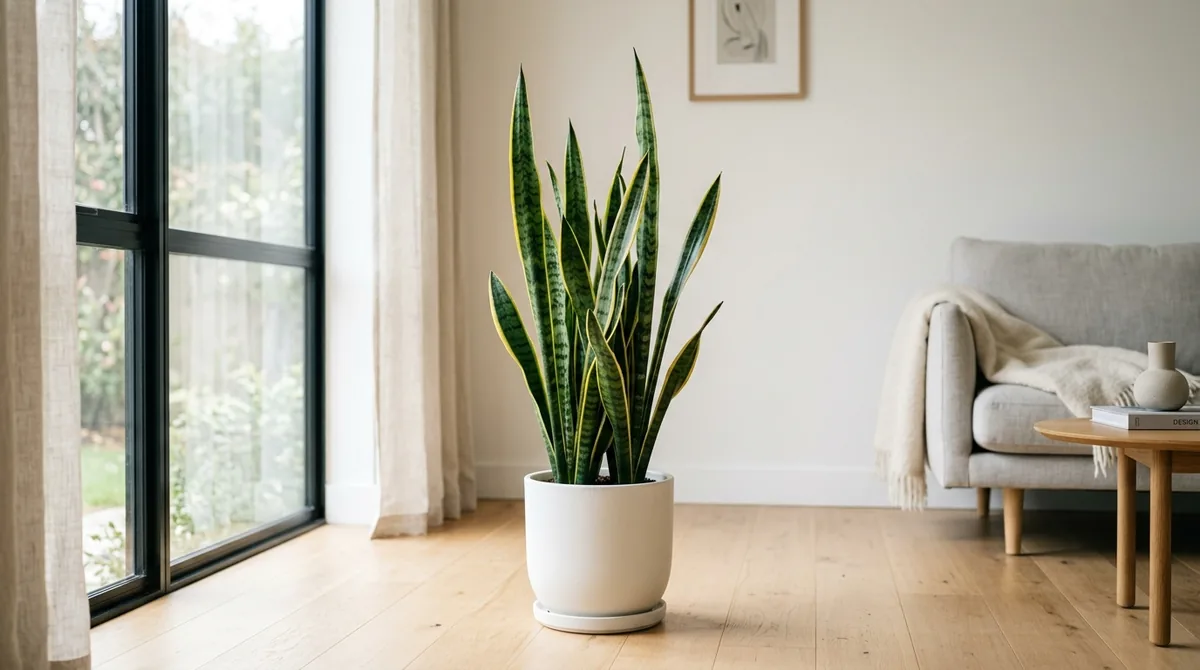
The snake plant is the classic “hard to kill” houseplant. NC State Extension says it prefers 2 to 6 hours of direct sun but tolerates very low light and low humidity, and that in winter it needs water only every one to two months. That long gap between waterings is what makes it so easy: the most common way to kill one is to water it too often, which rots the roots.
- Light: some direct sun or bright light for best growth; survives very low light, slowly.
- Water: let the soil dry between waterings; every 1 to 2 months in winter (NC State).
- Pets: toxic to cats and dogs (saponins, ASPCA).
Full guide: snake plant care.
2. ZZ Plant

The ZZ plant stores water in thick underground rhizomes, so it shrugs off forgotten waterings. NC State says it tolerates deep shade and fluorescent light (direct sun scalds it), and suggests watering only when the soil is completely dry: about twice a month in summer and once a month in winter. It is slow-growing, reaching 2 to 4 feet, so it rarely needs repotting.
- Light: bright, indirect is best; tolerates very low and office light.
- Water: when completely dry; about once a month in winter (NC State).
- Pets: keep away from pets; NC State lists medium toxicity from calcium oxalate.
Full guide: ZZ plant care.
3. Pothos
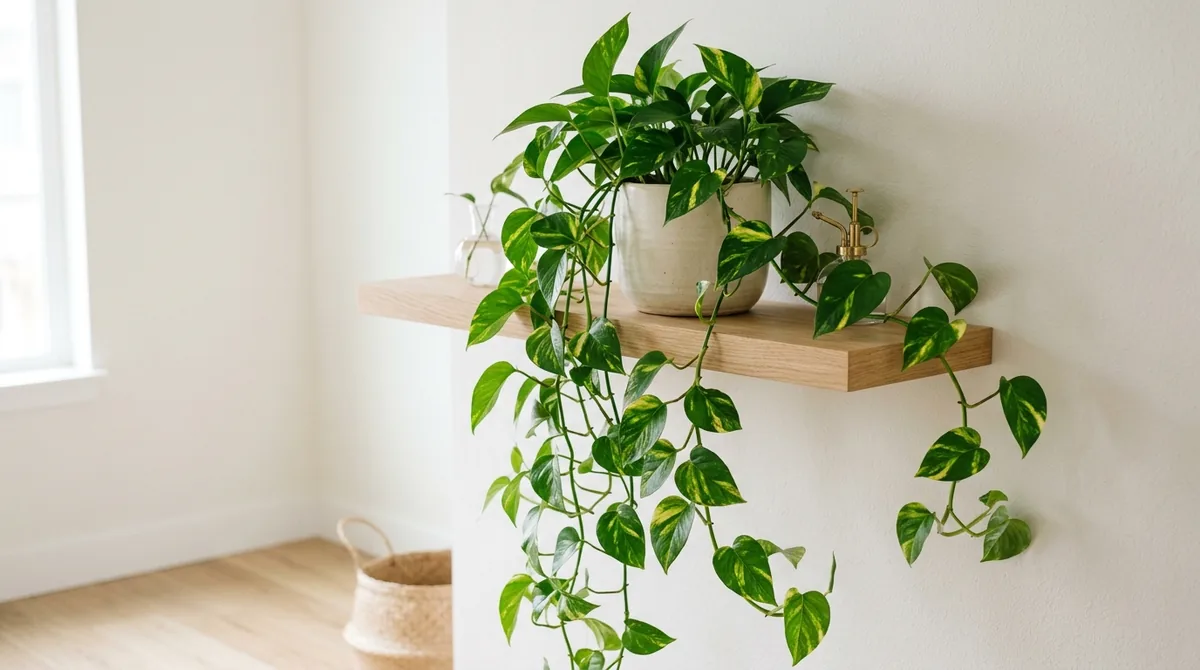
Pothos is the easiest trailing plant to grow and to share: NC State notes that it survives long periods in low light and that its vines root easily in water. Clemson HGIC says it prefers bright, indirect light, tolerates lower light (variegated types may lose some color), and should dry out between waterings. Overwatering, which causes root rot, is the main thing that goes wrong.
- Light: bright, indirect is best; tolerates lower light.
- Water: when the soil has dried; water thoroughly (Clemson).
- Pets: toxic to cats and dogs (ASPCA).
More: golden pothos vs Marble Queen and how to prune pothos.
4. Cast Iron Plant
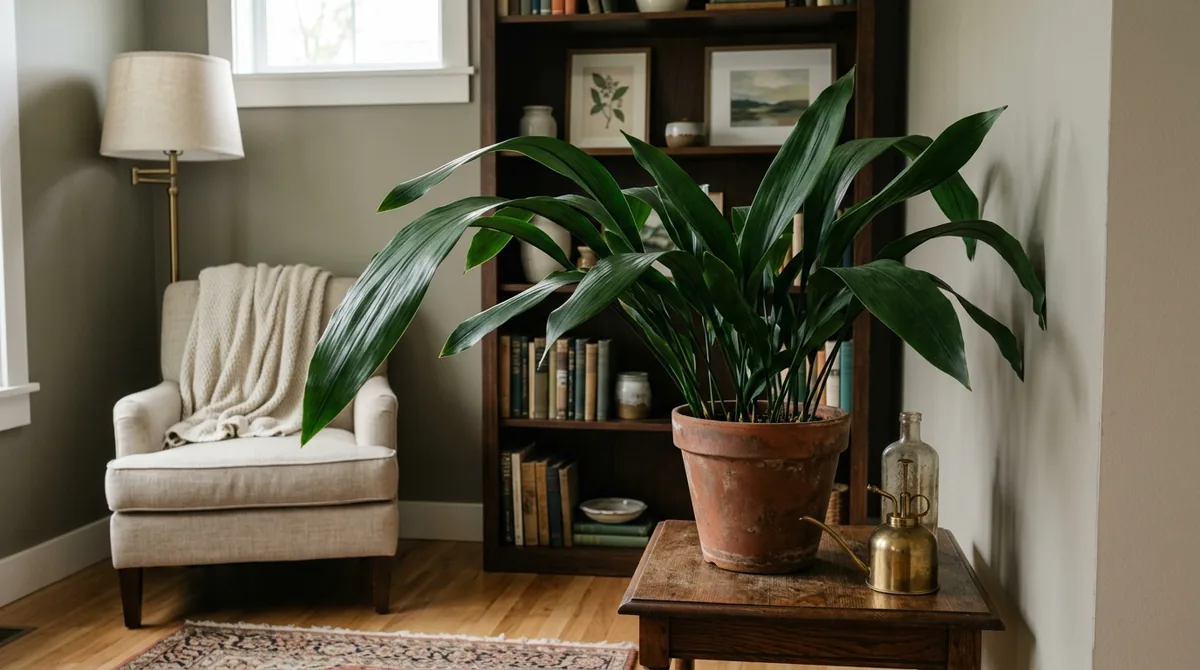
The name says it all. NC State describes the cast iron plant as a shade plant that is intolerant of direct sun, tolerates dry, poor soil and has no serious pest problems. It is one of the best choices for a dim hallway or a corner far from the window, and it is pet-safe.
- Light: partial to full shade; no direct sun (NC State).
- Water: regularly spring to autumn, sparingly in winter (NC State); drought tolerant once established (UF/IFAS).
- Pets: non-toxic to dogs, cats and horses (ASPCA).
Full guide: cast iron plant care.
5. Spider Plant
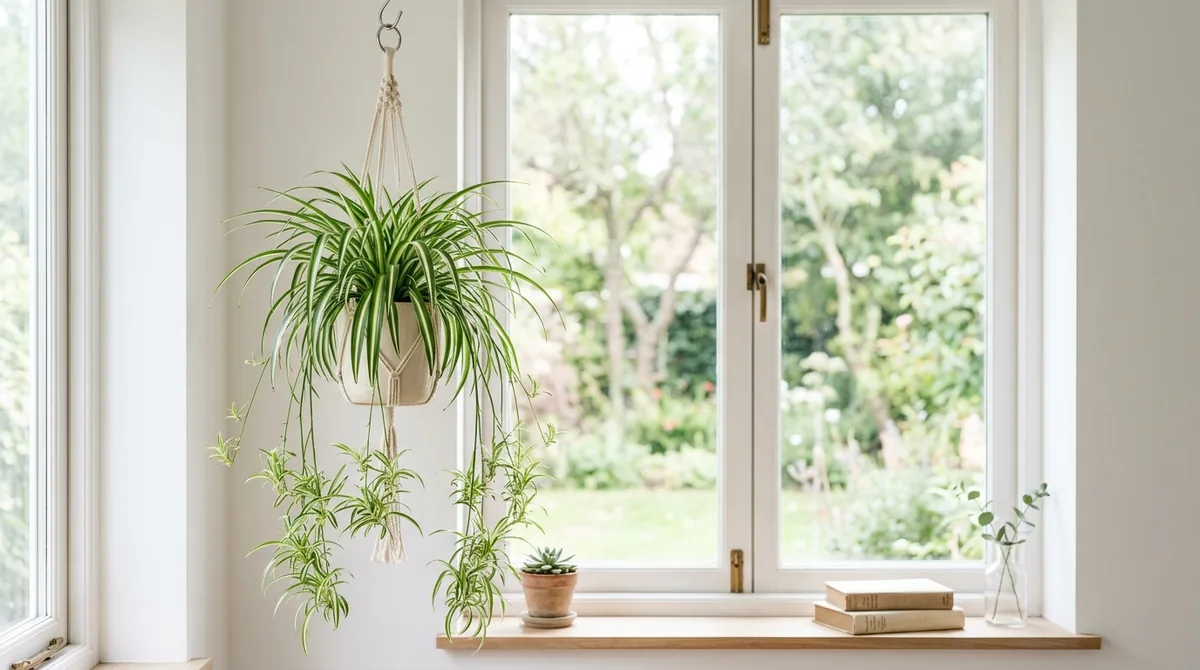
Spider plants grow fast, make baby plantlets you can pot up for free, and are safe around pets. They like bright, indirect light (RHS, Clemson) but tolerate shade (NC State). The one quirk: NC State, UF/IFAS and the RHS link brown leaf tips to fluoride, so use rainwater or distilled water if your tap water is fluoridated.
- Light: bright, indirect; tolerates shade; no strong direct sun.
- Water: when the soil dries slightly; less in winter (Clemson, NC State).
- Pets: non-toxic to dogs and cats (ASPCA).
Full guide: spider plant care.
6. Parlor Palm
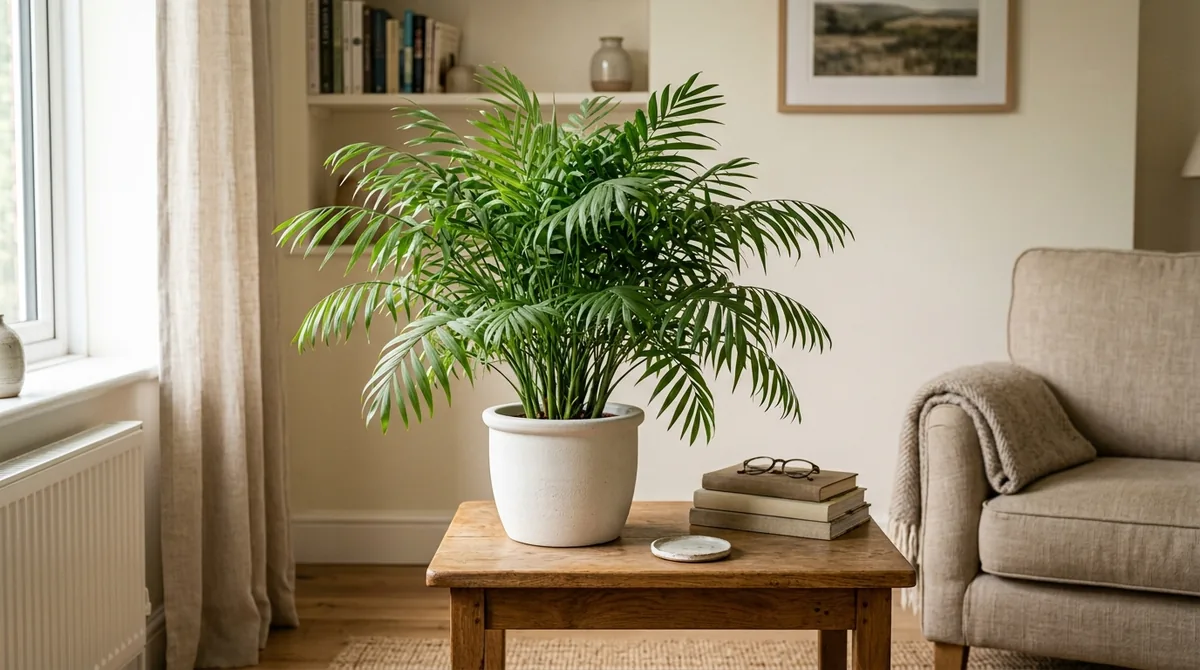
Most palms want lots of light; the parlor palm is the exception. NC State and Clemson say it tolerates low light, and it grows slowly, usually staying 30 to 60 cm (1 to 2 ft) for years (RHS). It is also one of the few classic indoor palms the ASPCA lists as non-toxic.
- Light: bright, indirect; tolerates low light; no direct summer sun (RHS).
- Water: when the surface of the mix is dry; less in winter (RHS).
- Pets: non-toxic to dogs and cats (ASPCA).
Full guide: parlor palm care.
7. Heartleaf Philodendron
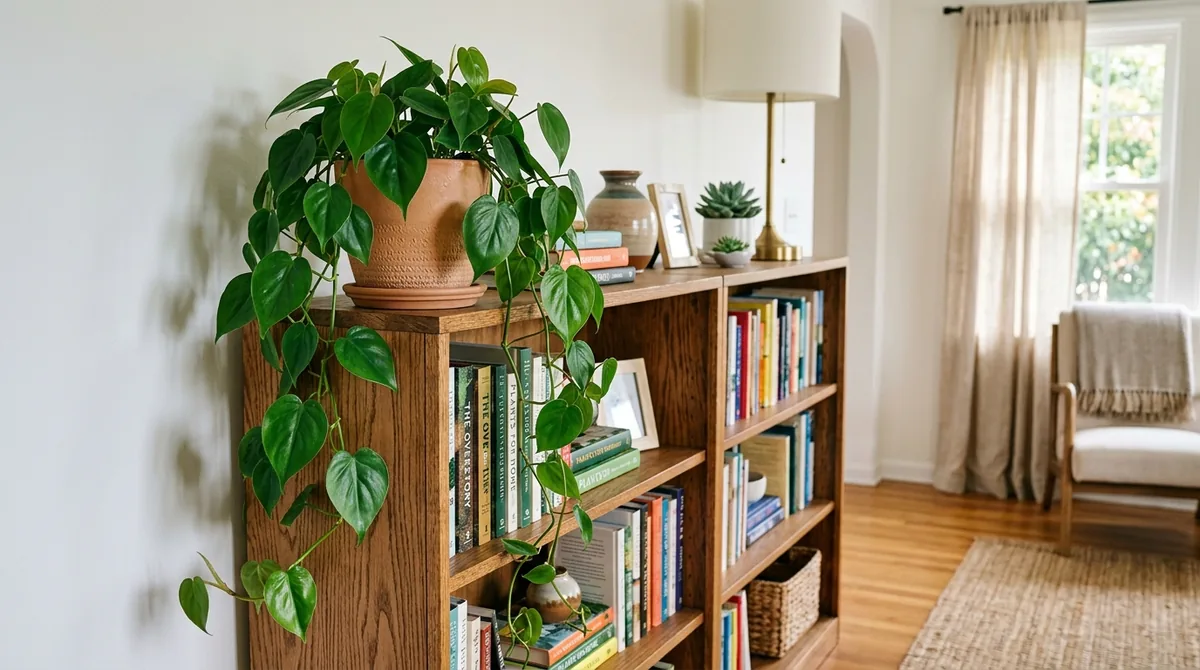
The heartleaf philodendron looks like pothos and is just as easy. Iowa State says it tolerates very low light, and UF/IFAS suggests watering when the top inch of soil is dry. It grows thinner in dim rooms, so pinch or cut back long stems to keep it bushy; the cuttings root easily in water.
- Light: bright, diffuse light; tolerates shade; no direct sun (UF/IFAS).
- Water: when the top inch is dry (UF/IFAS).
- Pets: toxic to dogs, cats and horses (ASPCA).
Full guide: heartleaf philodendron care.
8. Chinese Evergreen
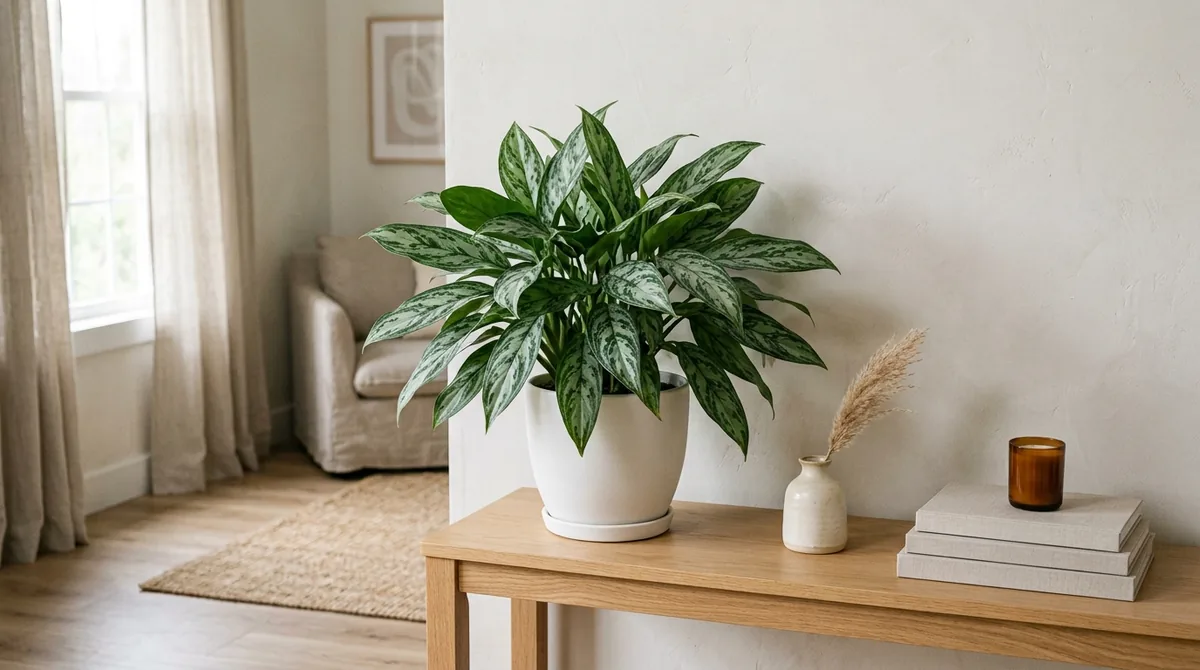
Clemson HGIC says solid green aglaonemas grow in low light, while variegated and colored types need low to moderate light, and that normal household humidity is fine. Their one weakness is cold: Clemson says they are sensitive to chilling below 50°F, so keep them away from winter windows and drafts.
- Light: green types: low light; colored types: low to moderate; no direct sun (Clemson).
- Water: when the top 1 to 2 inches are dry (Clemson).
- Pets: toxic to dogs, cats and horses (ASPCA).
Full guide: aglaonema care.
9. Peace Lily

The peace lily is the easiest flowering plant on the list, and it tells you when it is thirsty by drooping, then perks up after a drink. NC State says it grows in partial to deep shade and likes soil kept moist but not soggy (bottom watering works well). It is the thirstiest plant here, so it suits people who would rather water a little too often than forget.
- Light: bright, indirect (UF/IFAS); partial to deep shade (NC State).
- Water: keep moist, not soggy (NC State).
- Pets: toxic to dogs and cats (ASPCA).
Full guide: peace lily care.
10. Dracaena
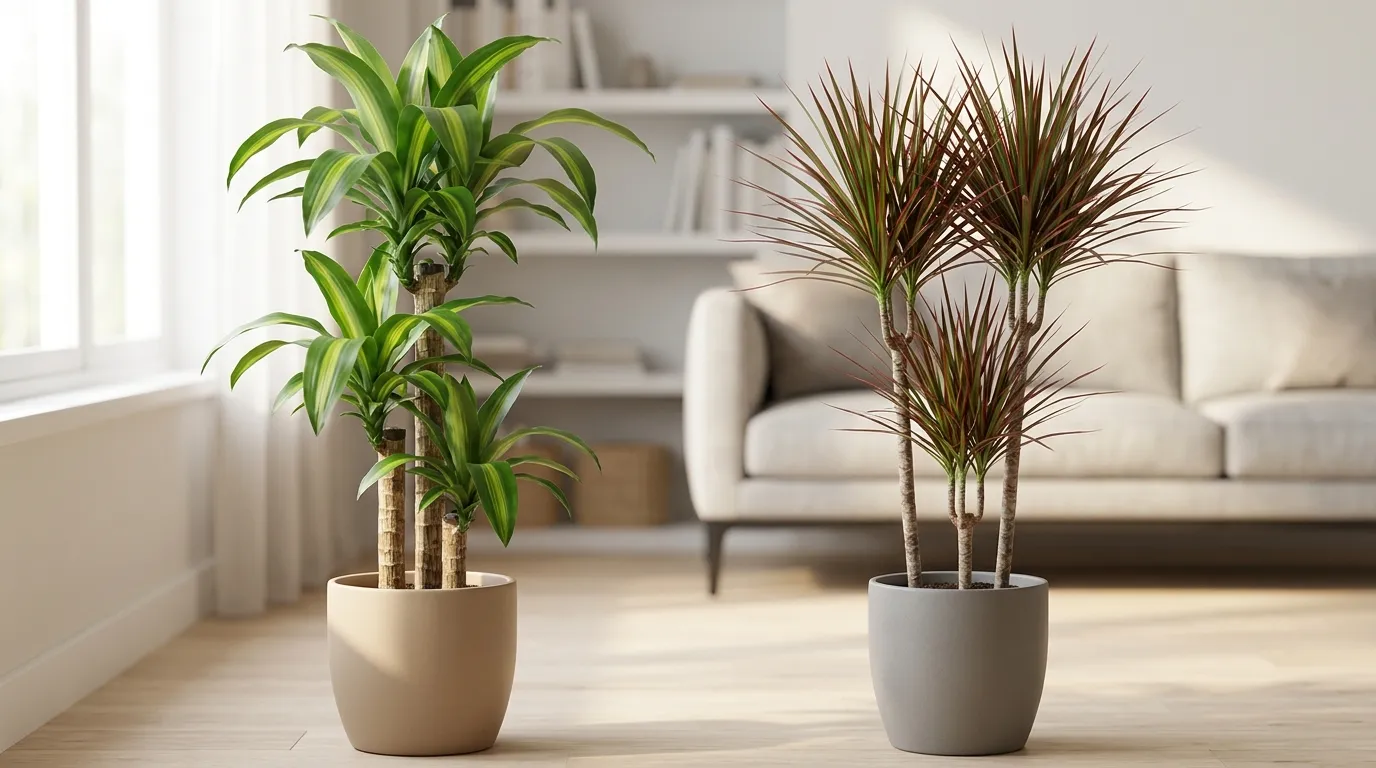
Dracaenas such as the corn plant and dragon tree give you a tall, tree-like plant without much work. Clemson says most grow best in bright, indirect light but tolerate lower light, and the RHS suggests watering when the top 5 cm (2 in) of compost is dry. They are sensitive to fluoride (Clemson), which shows up as brown tips.
- Light: bright, indirect; tolerates lower light; no direct summer sun (RHS).
- Water: when the top 5 cm (2 in) is dry (RHS).
- Pets: toxic to dogs and cats (saponins, ASPCA).
Full guide: dracaena care.
How to Choose: Low Light, Pets and Busy Schedules
| If you need… | Choose |
|---|---|
| Low maintenance indoor plants for low light | ZZ plant, snake plant, cast iron plant, green Chinese evergreen, pothos |
| Low maintenance indoor plants safe for cats and dogs | Cast iron plant, spider plant, parlor palm (all ASPCA non-toxic) |
| The fewest waterings | Snake plant, ZZ plant (both can go a month or more in winter, NC State) |
| A trailing plant for a shelf | Pothos, heartleaf philodendron |
| Flowers | Peace lily |
| A tall floor plant | Dracaena, parlor palm |
Sources: as cited in each plant section above.
For more pet-safe choices, see our cat-safe plants list. If even “low light” plants are struggling, a small LED can make a big difference: see our grow light guide.
Why Easy Plants Still Die
- Too much water. Almost every source above names overwatering and root rot as the main problem, especially for snake plants, ZZ plants and pothos. Check the soil before watering, and water less in winter. See our overwatered vs underwatered guide.
- No drainage hole. Water collects at the bottom of the pot and rots the roots, however careful you are.
- Too little light for too long. “Tolerates low light” means survives, not thrives: growth slows, stems stretch and variegated leaves fade (Clemson).
- Cold drafts in winter. Tropical plants such as Chinese evergreen are damaged by chilling (Clemson). See our winter guide.
For a plant that needs no soil at all, see our guide to air plant care.
Frequently Asked Questions
What is the easiest indoor plant to keep alive?
The snake plant and ZZ plant are the most forgiving: both tolerate low light and need water only when the soil dries out, as rarely as every one to two months in winter for the snake plant (NC State). Overwatering is the main way to kill them.
What low maintenance indoor plants are safe for cats?
The cast iron plant, spider plant and parlor palm on this list are all listed as non-toxic to cats and dogs by the ASPCA. Snake plant, ZZ plant, pothos, philodendron, Chinese evergreen, peace lily and dracaena are toxic.
Which low maintenance plants do well in low light?
ZZ plant, snake plant, cast iron plant, green Chinese evergreens and pothos all tolerate low light (NC State, Clemson). They grow more slowly there, so they also need less water.
How often should I water low maintenance plants?
Only when the soil tells you to: when it is dry for snake plants and ZZ plants, when the top inch or two is dry for philodendron, Chinese evergreen and dracaena, and when it is just starting to dry for peace lilies. All need less water in winter.
Do low maintenance indoor plants clean the air?
Not in a way you would notice. A 2020 review by Cummings and Waring found that potted plants remove indoor pollutants far more slowly than ordinary ventilation, so their air-cleaning effect at home is negligible.
What is the best low maintenance plant for an office?
The ZZ plant, which NC State says tolerates fluorescent light and deep shade, and the snake plant are the most forgiving choices for offices with irregular watering.
Sources
- NC State Extension Gardener Plant Toolbox (Dracaena trifasciata, Zamioculcas zamiifolia, Epipremnum aureum, Aspidistra elatior, Chlorophytum comosum, Chamaedorea elegans, Spathiphyllum)
- Clemson HGIC 1568: How to Grow Pothos Indoors (2026)
- Clemson HGIC: Chinese Evergreen
- Royal Horticultural Society (parlor palm, dracaena and spider plant growing guides)
- UF/IFAS Extension and Iowa State Extension (heartleaf philodendron, cast iron plant, peace lily), as cited in our full care guides
- ASPCA Toxic and Non-Toxic Plant List
- Cummings, B.E. and Waring, M.S. (2020). Potted plants do not improve indoor air quality. Journal of Exposure Science and Environmental Epidemiology 30: 253-261