
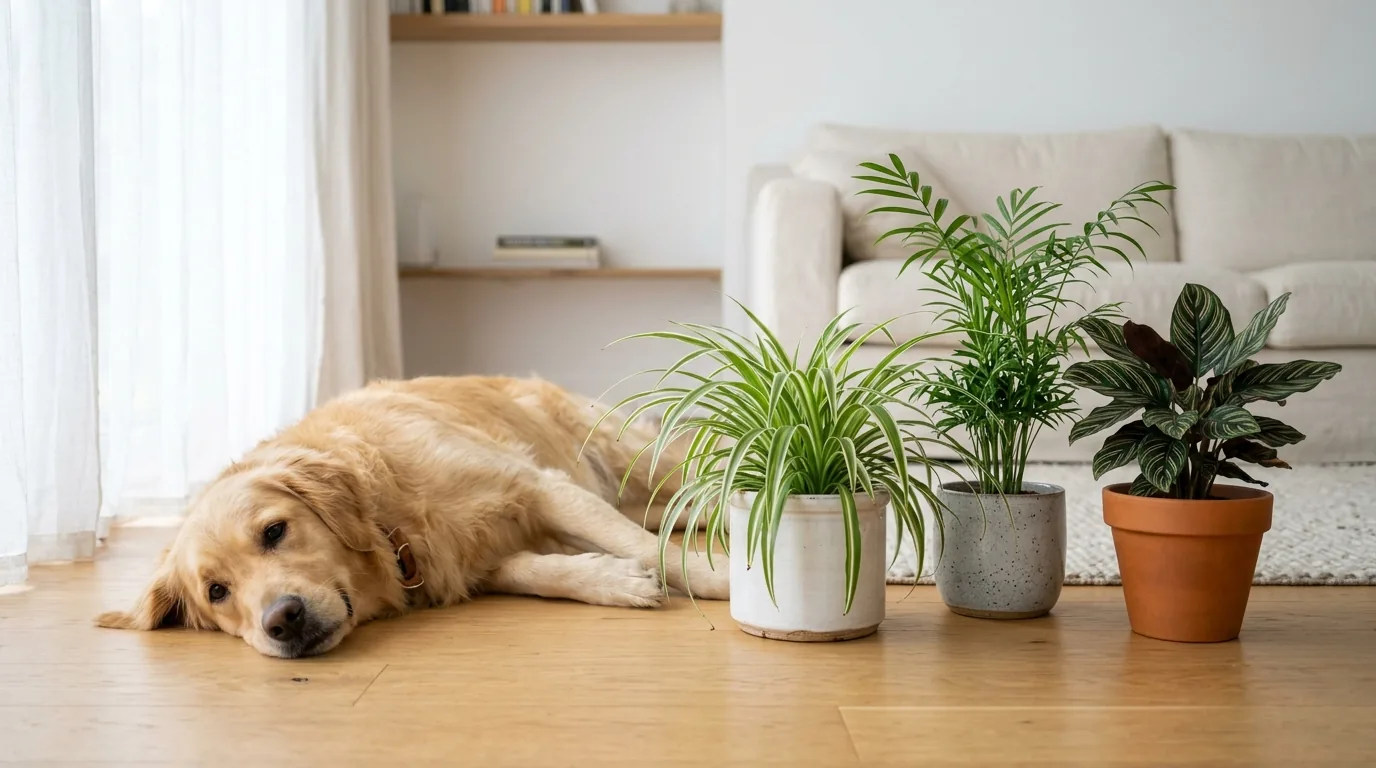
Dogs chew things, and houseplants are at nose height. Many of the most popular indoor plants, including pothos, philodendron, snake plant, aloe and the sago palm, are on the ASPCA’s list of plants toxic to dogs. The good news is that plenty of beautiful, easy houseplants are not. This guide lists 20 plants safe for dogs, each one checked against the ASPCA Animal Poison Control Center’s dog plant list, with the botanical name to check on the label, a quick care note and a link to our full care guide. It also lists the common toxic plants to keep out of reach and what to do if your dog eats one.
Dog Safe Plants at a Glance
| Plant | Botanical name (ASPCA) | Light | Also safe for cats? |
|---|---|---|---|
| Spider plant | Chlorophytum comosum | Bright, indirect | Yes |
| Parlor palm | Chamaedorea elegans | Low to medium | Yes |
| Boston fern | Nephrolepis exaltata ‘Bostoniensis’ | Bright, indirect | Yes |
| Calathea | Calathea spp. | Medium, indirect | Yes |
| Prayer plant | Maranta | Medium, indirect | Yes |
| African violet | Saintpaulia spp. | Bright, indirect | Yes |
| Christmas cactus | Schlumbergera bridgesii | Bright, filtered | Yes |
| Money tree | Pachira aquatica | Bright, indirect | Yes |
| Polka dot plant | Hypoestes phyllostachya | Bright, indirect | Yes |
| Areca palm | Dypsis lutescens | Bright, indirect | Yes |
| Moth orchid | Phalaenopsis sp. | Bright, indirect | Yes |
| Nerve plant | Fittonia | Medium, indirect | Yes |
| Cast iron plant | Aspidistra elatior | Low | Yes |
| Staghorn fern | Platycerium bifurcatum | Bright, indirect | Yes |
| Hoya (wax plant) | Hoya carnosa | Bright, indirect | Yes |
| Lipstick plant | Aeschynanthus | Bright, indirect | Yes |
| Purple passion | Gynura aurantiaca | Bright, indirect | Yes |
| Basil | Ocimum basilicum | Sunny window | Yes |
| Rosemary | Rosmarinus officinalis | Sunny window | Yes |
| Peperomia (baby rubber plant) | Peperomia obtusifolia | Medium, indirect | Yes |
Source: ASPCA Animal Poison Control Center, Toxic and Non-Toxic Plant List for Dogs (checked October 2026). “Also safe for cats” per the ASPCA cat list; see our cat safe plants guide.
Every plant in this guide is listed as non-toxic to dogs on the ASPCA dog plant list. The ASPCA also warns, on its plant database page, that “the consumption of any plant material may cause vomiting and gastrointestinal upset for dogs and cats,” so a dog that eats a lot of a safe plant can still be sick for a while. These are all plants safe for dogs and cats, which makes them easy picks for mixed-pet homes.
Dog Safe Plants Indoor: 20 ASPCA-Checked Picks
1. Spider plant
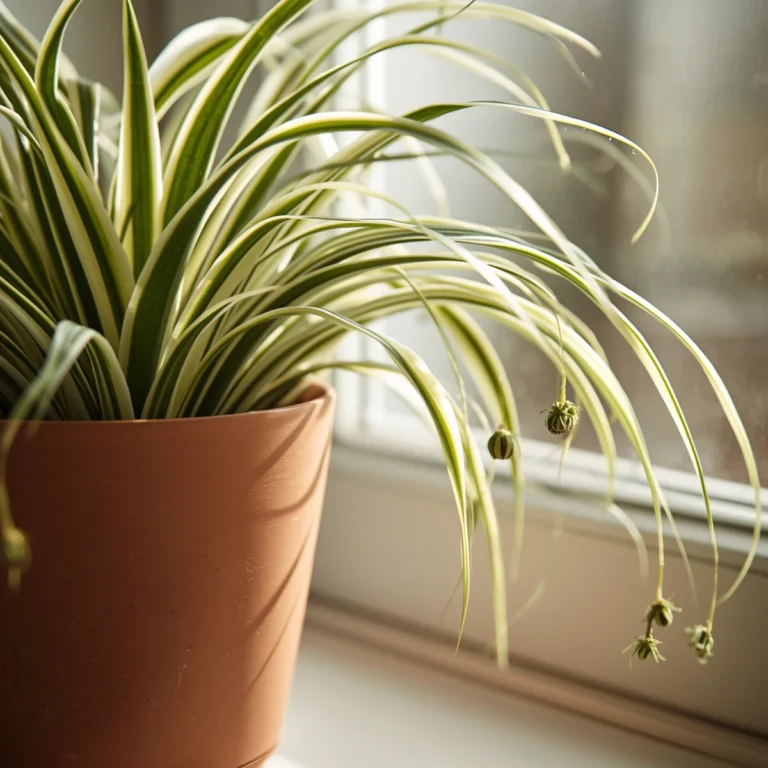
The ASPCA lists spider plant (Chlorophytum comosum, also called ribbon plant or spider ivy) as non-toxic to dogs. Its long, grassy leaves are tempting to chew, so a hanging basket or high shelf protects both the plant and your dog’s stomach. It is one of the easiest houseplants there is; see our spider plant care guide.
2. Parlor palm
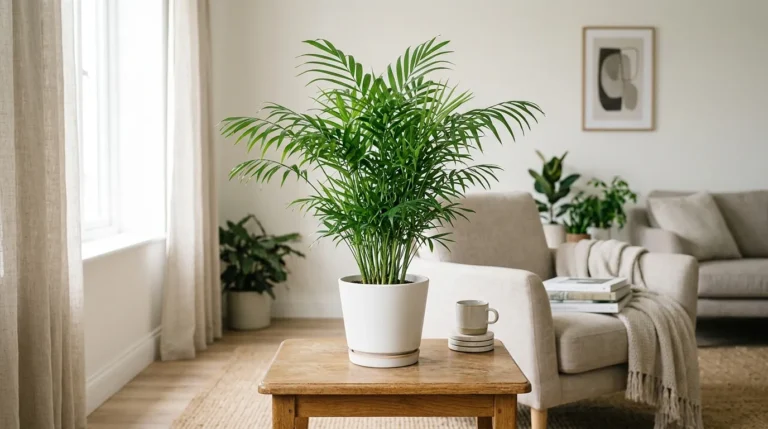
The parlor palm (Chamaedorea elegans, also sold as bamboo palm or good luck palm) is on the ASPCA non-toxic list for dogs. It tolerates lower light than most palms, which makes it a good floor plant for a room your dog shares. See our parlor palm care guide.
3. Boston fern
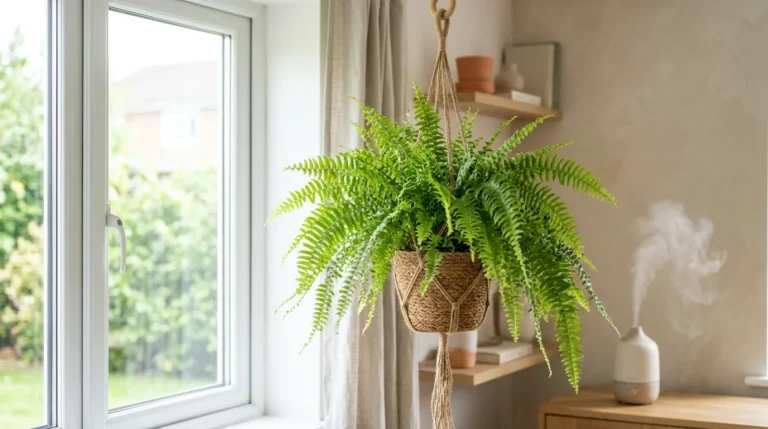
The ASPCA lists Boston fern (Nephrolepis exaltata ‘Bostoniensis’) as non-toxic to dogs. Be careful with the name “fern,” though: asparagus fern is not a true fern and is on the ASPCA toxic list. Boston ferns want humidity and even moisture; see our Boston fern care guide.
4. Calathea
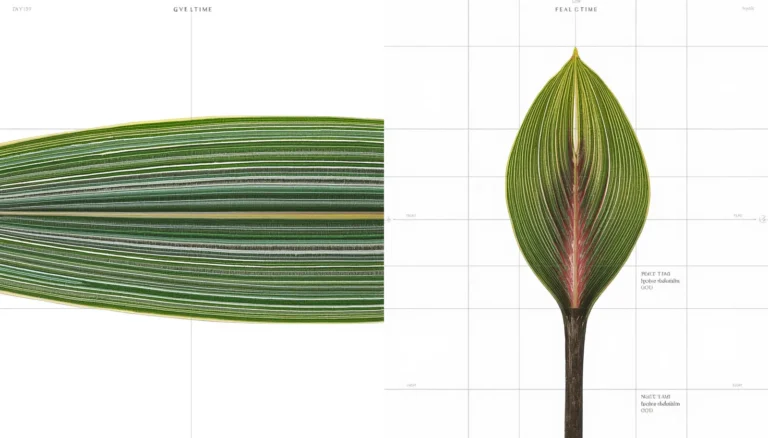
All Calathea species are listed as non-toxic to dogs by the ASPCA, including the rattlesnake plant and peacock plant. They give you big, patterned tropical leaves without the risk of toxic aroids like philodendron. See our calathea care guide and best water for calathea.
5. Prayer plant
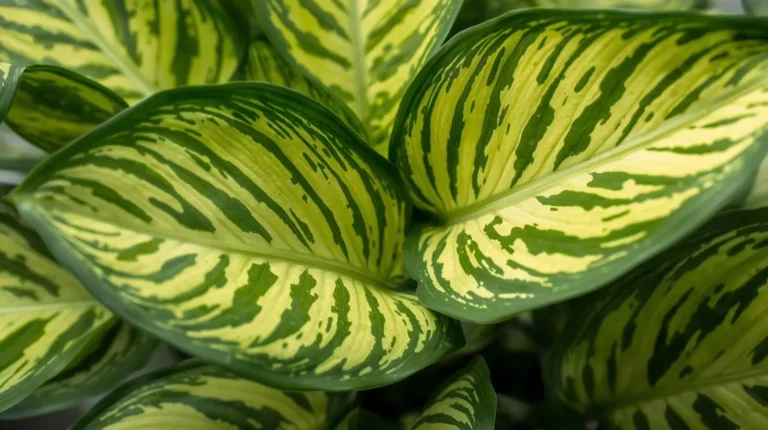
The prayer plant (Maranta), a close relative of calathea, is non-toxic to dogs per the ASPCA. Its leaves fold up at night, and varieties like Lemon Lime are bright and compact. See our Maranta Lemon Lime care guide.
6. African violet
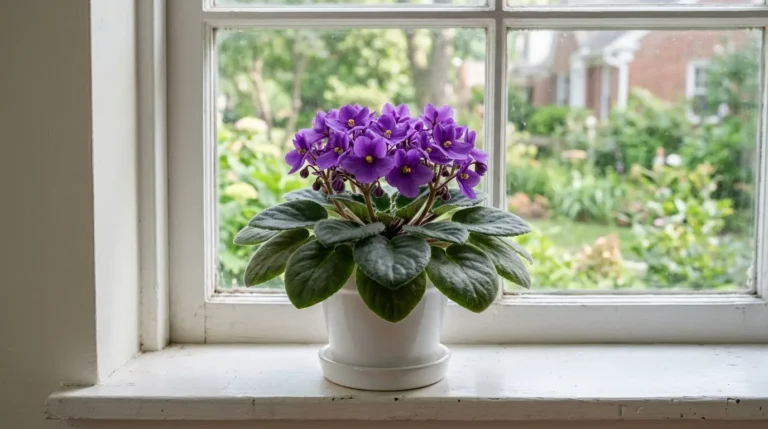
The ASPCA lists African violet (Saintpaulia spp.) as non-toxic to dogs, cats and horses, which makes it one of the few flowering houseplants that is safe for pets and blooms almost all year. See our African violet care guide.
7. Christmas cactus
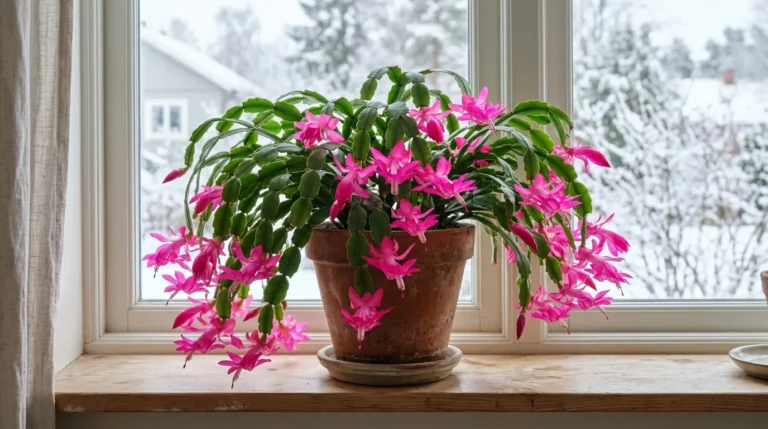
The Christmas cactus (Schlumbergera bridgesii) is non-toxic to dogs on the ASPCA list, unlike many other holiday plants such as amaryllis, cyclamen and kalanchoe. It has no sharp spines. See our Christmas cactus care guide.
8. Money tree
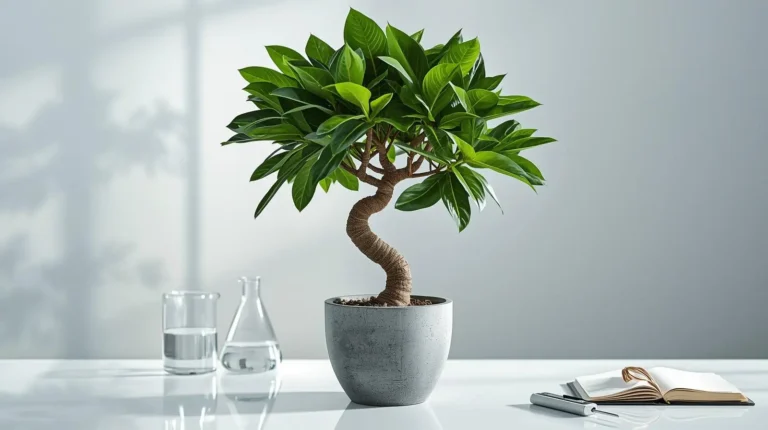
The money tree (Pachira aquatica) is on the ASPCA non-toxic list for dogs. With its braided trunk it is a popular gift and a good replacement for toxic tree-form plants like dracaena or fiddle leaf fig. See our money tree care guide.
9. Polka dot plant
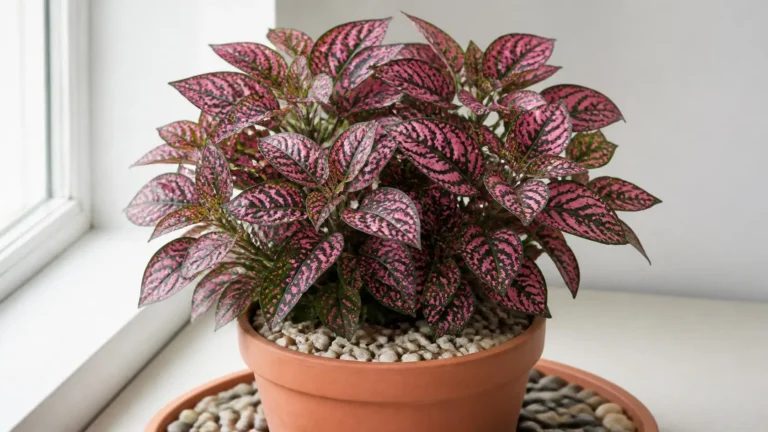
The ASPCA lists polka dot plant (Hypoestes phyllostachya, also called freckle face or flamingo plant) as non-toxic to dogs. Its pink, red or white speckled leaves add color to a shelf. See our polka dot plant care guide.
10. Areca palm
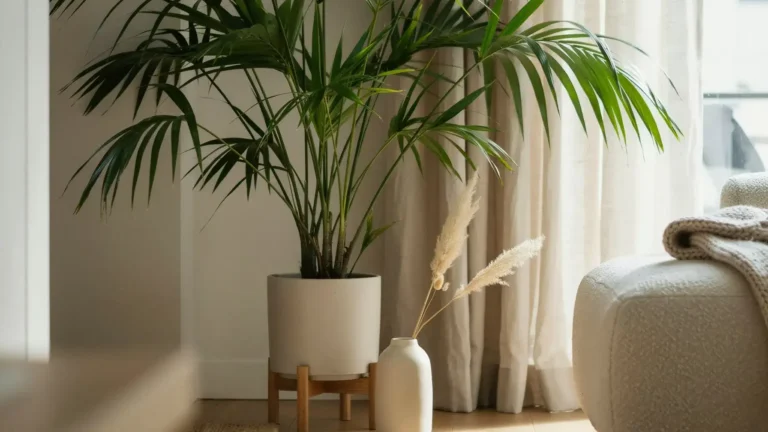
The areca palm (Dypsis lutescens, also called golden butterfly palm or cane palm) is non-toxic to dogs per the ASPCA. Do not confuse it with the sago palm, which is not a true palm and is one of the most dangerous plants for dogs (see below). See our areca palm care guide.
11. Moth orchid
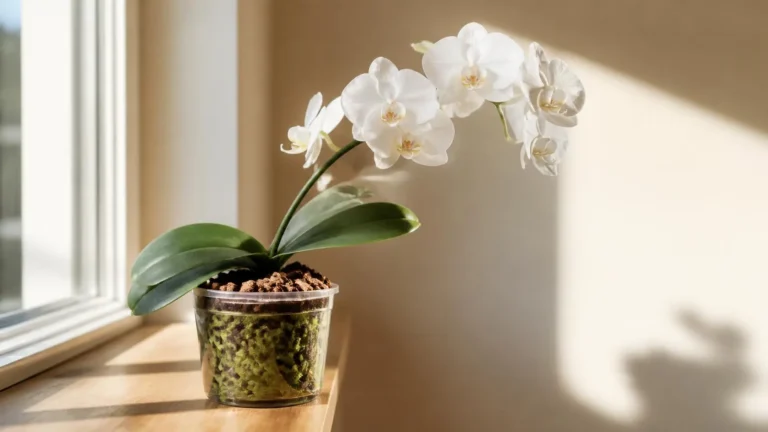
The ASPCA lists the moth orchid (Phalaenopsis) as non-toxic to dogs. It is the common supermarket orchid and flowers for months. See our orchid care for beginners guide.
12. Nerve plant

The nerve plant (Fittonia) is non-toxic to dogs on the ASPCA list. It is small enough for a shelf or terrarium, out of reach of curious noses. See our nerve plant care guide.
13. Cast iron plant
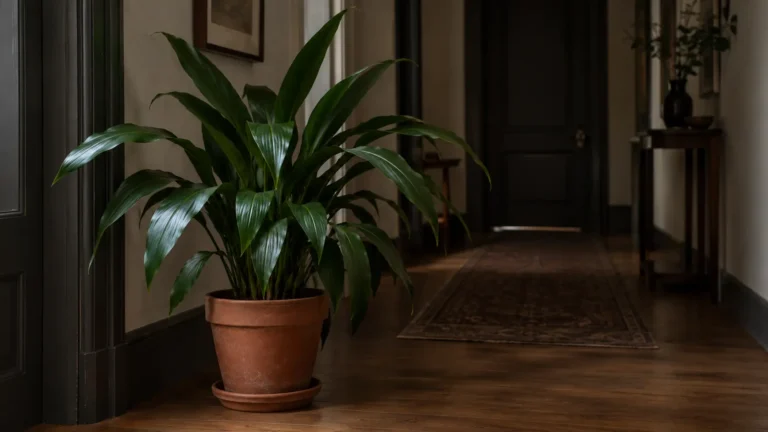
The cast iron plant (Aspidistra elatior) is listed as non-toxic to dogs by the ASPCA and is one of the toughest low-light houseplants. See our cast iron plant care guide.
14. Staghorn fern
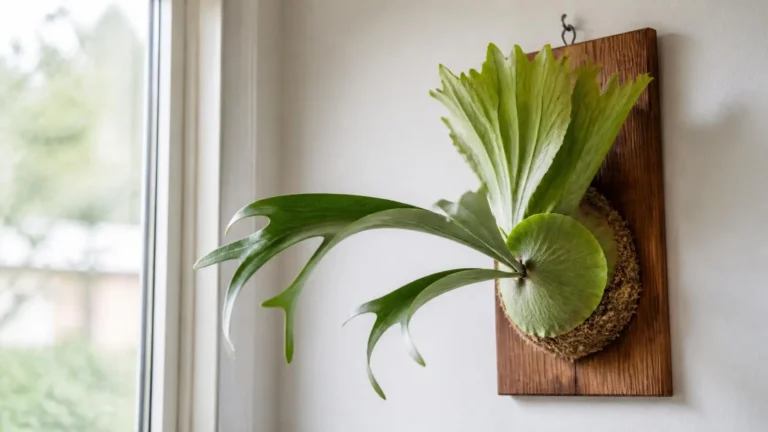
The ASPCA lists the common staghorn fern (Platycerium bifurcatum) as non-toxic to dogs. Mounted on a wall board, it is naturally out of reach. See our staghorn fern care guide.
15. Hoya (wax plant)
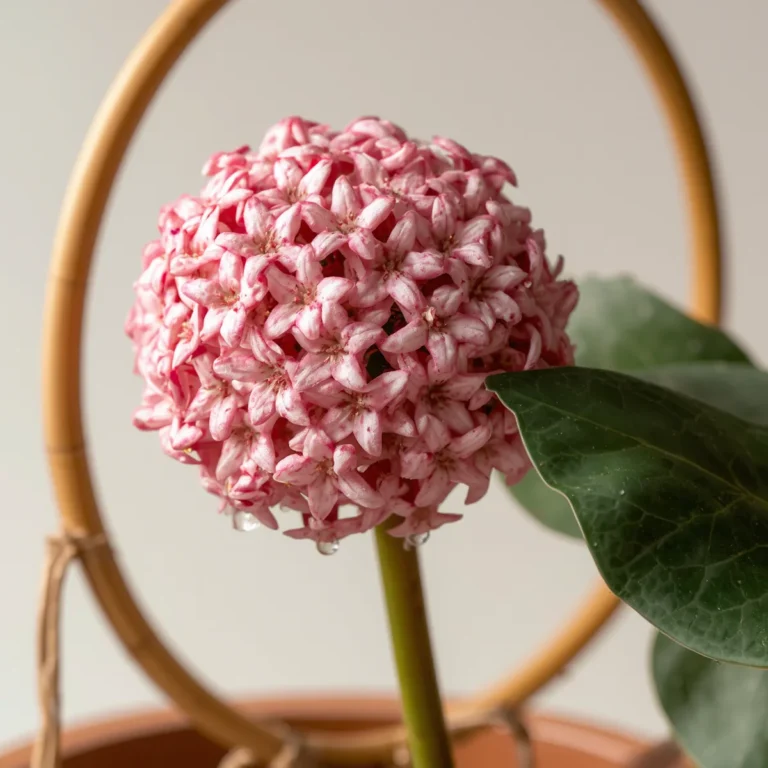
The ASPCA lists the wax plant (Hoya carnosa) as non-toxic to dogs. Hoyas trail or climb, so they suit hanging baskets above dog level. See our hoya care guide.
16. Lipstick plant
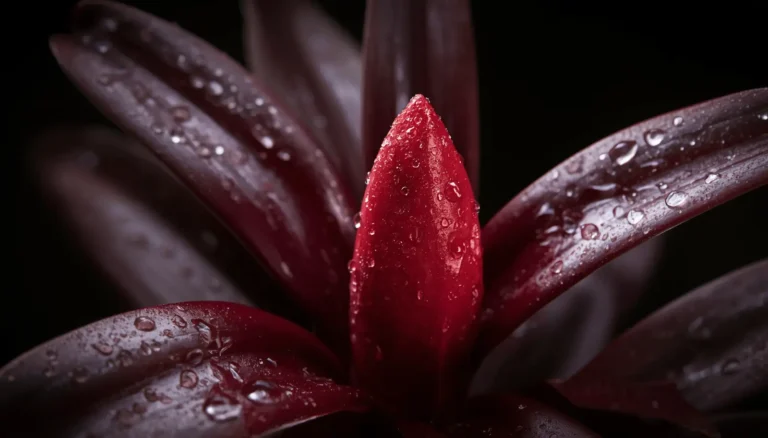
The lipstick plant (Aeschynanthus) is non-toxic to dogs per the ASPCA, and its red tubular flowers make it a showy hanging plant. See our lipstick plant care guide.
17. Purple passion plant
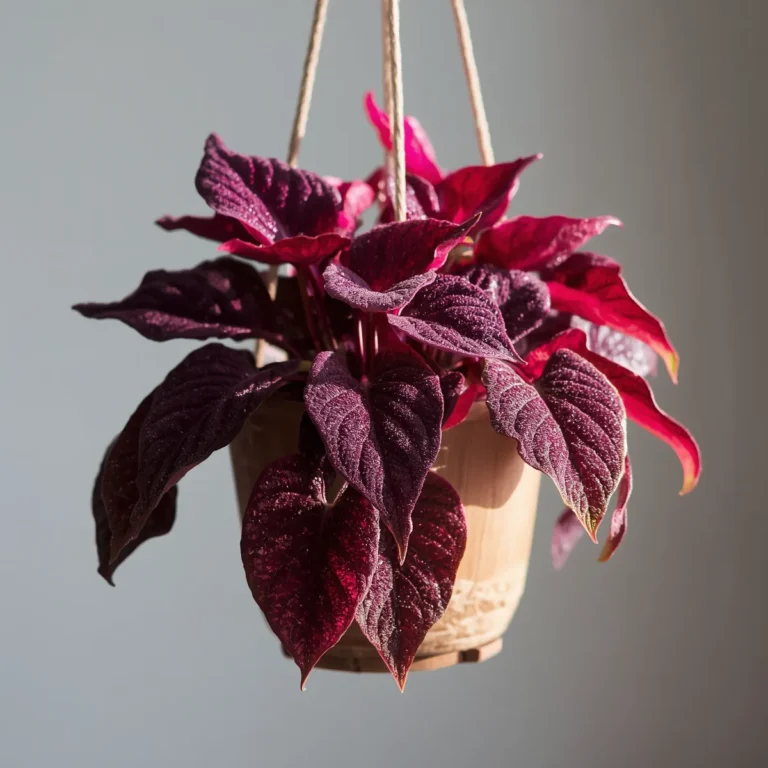
The ASPCA lists purple passion vine (Gynura aurantiaca, also called velvet plant) as non-toxic to dogs. Its fuzzy purple leaves are unusual and bright. See our purple passion plant care guide.
18. Basil
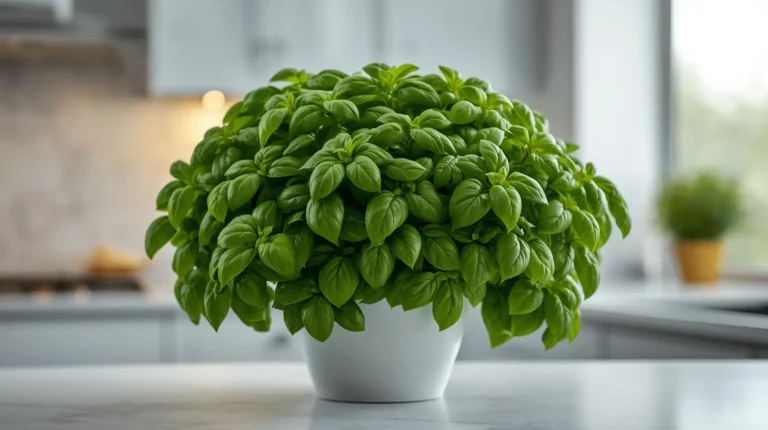
Sweet basil (Ocimum basilicum) is non-toxic to dogs on the ASPCA list, so a kitchen windowsill pot is a safe choice. See how to grow basil indoors.
19. Rosemary
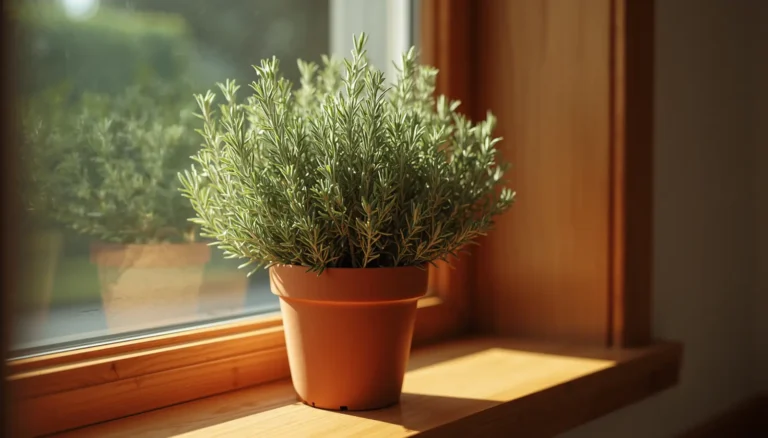
The ASPCA lists rosemary (Rosmarinus officinalis) as non-toxic to dogs. Not every herb is: the ASPCA lists mint, oregano and chives as toxic to dogs, so check each one before planting a herb garden at dog level. See how to grow rosemary.
20. Peperomia
The baby rubber plant (Peperomia obtusifolia) is on the ASPCA non-toxic list for dogs. Many peperomias are small, slow-growing and tolerant of medium light, so they suit desks and shelves.
More Non-Toxic Plants for Dogs
| Plant | Botanical name | Good to know |
|---|---|---|
| Haworthia | Haworthia species | A small succulent that looks like aloe, which is toxic |
| Ponytail palm | Beaucarnea recurvata | Listed by the ASPCA as bottle palm or pony tail plant |
| Echeveria | Echeveria species | Rosette succulents; jade and kalanchoe (same family) are toxic |
| Venus flytrap | Dionaea muscipula | Non-toxic; see carnivorous plants |
| Swedish ivy | Plectranthus | Not a true ivy; English ivy is toxic |
Source: ASPCA Toxic and Non-Toxic Plant List for Dogs (checked October 2026).
Common Houseplants That Are Toxic to Dogs
These popular plants are all on the ASPCA list of plants toxic to dogs. If you own one, keep it well out of reach or choose a safe swap from the list above.
| Toxic plant | Safe swap | Our guide |
|---|---|---|
| Sago palm (Cycas and Zamia) | Areca or parlor palm | The most dangerous on this list (see below) |
| Pothos (Epipremnum aureum) | Hoya, spider plant | Golden pothos |
| Philodendron and split-leaf philodendron (monstera) | Calathea, prayer plant | Heartleaf philodendron |
| Snake plant (Sansevieria trifasciata) | Cast iron plant | Snake plant |
| Aloe vera | Haworthia | Aloe vera |
| Jade plant (Crassula) | Echeveria | Jade plant |
| Dieffenbachia (dumb cane) | Calathea | Dieffenbachia |
| Peace lily (Spathiphyllum) | Moth orchid, African violet | Peace lily |
| Dracaena (corn plant) | Money tree | Dracaena |
| Chinese evergreen (Aglaonema) | Calathea | Aglaonema |
| Alocasia and caladium (elephant ears) | Calathea, polka dot plant | Caladium |
| English ivy (Hedera helix) | Swedish ivy, hoya | |
| Asparagus fern | Boston fern | Asparagus fern |
| Kalanchoe, cyclamen, amaryllis, poinsettia | Christmas cactus, African violet | Kalanchoe |
| Lily of the valley, tulip and hyacinth bulbs | African violet | Lily of the valley |
Source: ASPCA Toxic and Non-Toxic Plant List for Dogs (checked October 2026).
How to Stop a Dog From Eating Plants
- Go up: hanging baskets, wall-mounted planters and high shelves suit spider plants, hoyas, lipstick plants and staghorn ferns.
- Block access: put floor plants behind furniture or in a room the dog does not use unsupervised, especially puppies.
- Clean up fallen leaves and flowers quickly, since dogs often eat what drops on the floor.
- Watch the soil: fertilizer granules, slug pellets and systemic insecticide spikes in the pot can be more dangerous than the plant itself. Read the label before using any product in a pet home.
- Give them something better to chew, like dog-safe chew toys, and redirect chewing early.
What to Do If Your Dog Eats a Plant
- Take the rest of the plant away and check what was eaten. Note the plant’s name, or photograph it and the label.
- Check the plant on the ASPCA dog list.
- If it is toxic, or you are not sure, call your veterinarian or the ASPCA Animal Poison Control Center at (888) 426-4435 (the ASPCA says a consultation fee may apply). Do not make your dog vomit unless a vet tells you to.
- Even with a non-toxic plant, watch for vomiting or diarrhea and call your vet if it continues.
If you are choosing plants to keep bugs away, see which are safe for dogs in our guide to plants that repel mosquitoes.
The ASPCA also lists Gerbera daisy as non-toxic to dogs; see our guide on how to grow daisies.
Frequently Asked Questions
What houseplants are safe for dogs?
The ASPCA lists spider plant, parlor palm, areca palm, Boston fern, calathea, prayer plant, African violet, Christmas cactus, money tree, polka dot plant, moth orchid, nerve plant, cast iron plant, staghorn fern, hoya, peperomia, basil and rosemary as non-toxic to dogs.
What is the most poisonous plant for dogs?
Among common houseplants, the sago palm. The ASPCA lists liver damage, liver failure and death among its clinical signs, and every part of the plant is a risk. Call a vet immediately if a dog chews one.
Are snake plants toxic to dogs?
Yes. The ASPCA lists the snake plant (Sansevieria trifasciata) as toxic to dogs. A cast iron plant is a similar low-light, low-care choice that is non-toxic.
Is pothos safe for dogs?
No. The ASPCA lists pothos (devil’s ivy, Epipremnum aureum) as toxic to dogs. Like philodendron and peace lily, it contains insoluble calcium oxalates that irritate the mouth. Hoya or spider plant are safe trailing alternatives.
What are the best non toxic plants for dogs and cats together?
All 20 plants in this guide are on both the ASPCA dog and cat non-toxic lists, including spider plant, parlor palm, calathea, African violet and money tree. See also our cat safe plants list.
Can a non-toxic plant still make my dog sick?
Yes. The ASPCA says eating any plant material may cause vomiting and gastrointestinal upset in dogs and cats. Non-toxic means the plant is not expected to poison your dog, not that it is a food.
Are succulents safe for dogs?
Some are and some are not. The ASPCA lists haworthia, echeveria and Christmas cactus as non-toxic, but aloe vera, jade plant and kalanchoe as toxic. Check each succulent by its botanical name.